

Dodoma. The Tanzanian government has formally endorsed a strategic partnership between the Tanzania Agricultural Research Institute (TARI), the Food and Agriculture Organization (FAO), and the Philippine Center for Postharvest Development and Mechanisation (PHilMech).
This collaboration is designed to modernise the nation’s agricultural landscape by integrating advanced post-harvest technologies and streamlined mechanisation.
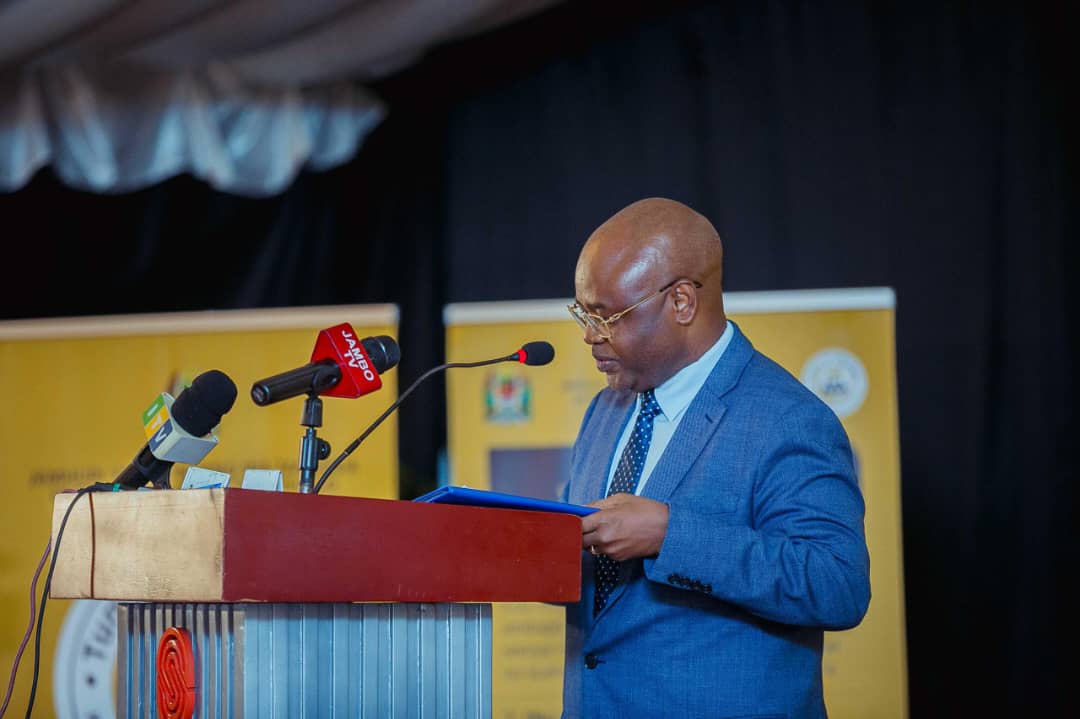
During the meeting here on Thursday, January 29, Mr Athumani Kilundumya, the Deputy Permanent Secretary for the ministry of Agriculture (Irrigation and Mechanisation), confirmed the state’s commitment to the initiative.
He emphasised that the government is prepared to oversee and facilitate this inter-institutional cooperation to ensure it translates into sustainable development for rural communities.
“The government is ready to oversee and facilitate cooperation among agricultural institutions in order to advance collective efforts that benefit farmers and promote sustainable agricultural development,” Mr Kilundumya said.
The partnership arrives at a critical juncture for Tanzania’s agricultural strategy, which seeks to elevate the sector from subsistence to commercial viability.
By leveraging PHilMech’s expertise in tropical post-harvest innovation, a field where the Philippines has excelled in reducing rice and maize wastage, and the FAO’s global policy reach, the initiative aims to address the persistent issue of post-harvest loss.
Mr Kilundumya noted that the overarching goal is to achieve national food self-sufficiency while generating a consistent surplus for export.
“Tanzania’s overarching objective is to produce efficiently, attain national food self-sufficiency and generate surplus for regional and international markets,” he explained.
“Achieving this goal requires deliberate investment in modern agricultural tools, mechanisation and post-harvest technologies that reduce losses and increase productivity across the value chain.”
The discussions focused on deploying mechanisation solutions specifically tailored for smallholder farmers.
These tools are designed to alleviate the physical demands of manual labour while enhancing yield quality through improved storage and processing techniques.
Representatives from TARI, FAO, and PHilMech confirmed that the collaboration would “draw on each institution’s comparative strengths in research, policy support, innovation and mechanisation.