
Dodoma. Tanzania has continued to consolidate its position as a continental hub of expertise and best practice in the management and operation of the mining sector, following the arrival of a high-level technical delegation from Burkina Faso on a study tour aimed at learning from the country’s far-reaching reforms.
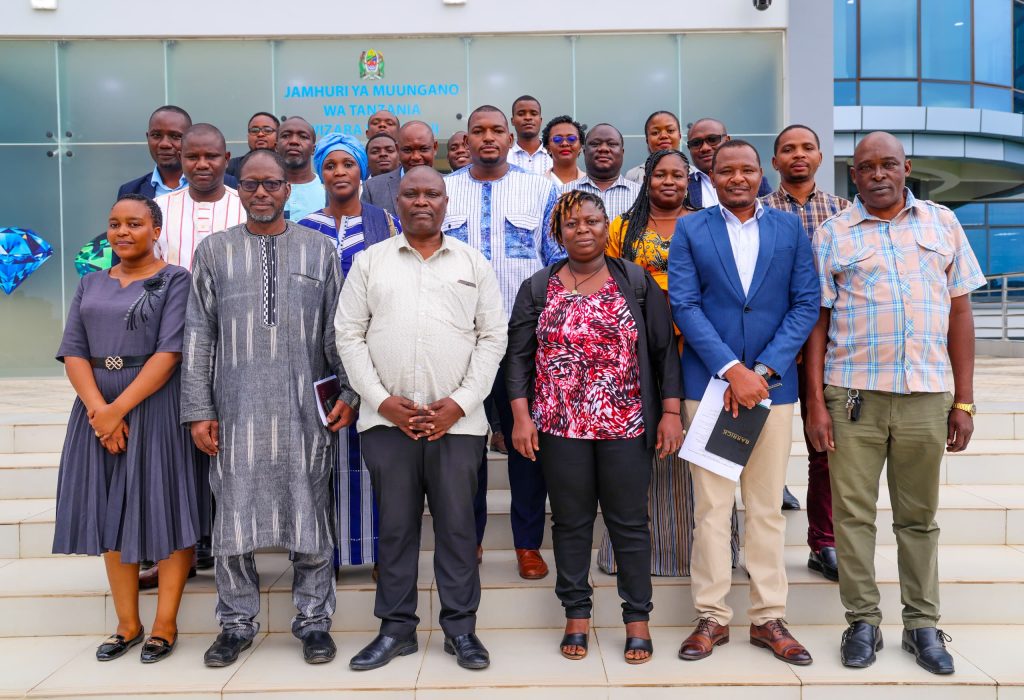
The delegation was received on February 9, 2026, at the Ministry of Minerals headquarters in Mtumba, Dodoma.
It was led by Mr Halidou Ouedraogo, Economic Adviser for Monitoring and Evaluation at Burkina Faso’s Ministry of Energy, Mines and Quarries.
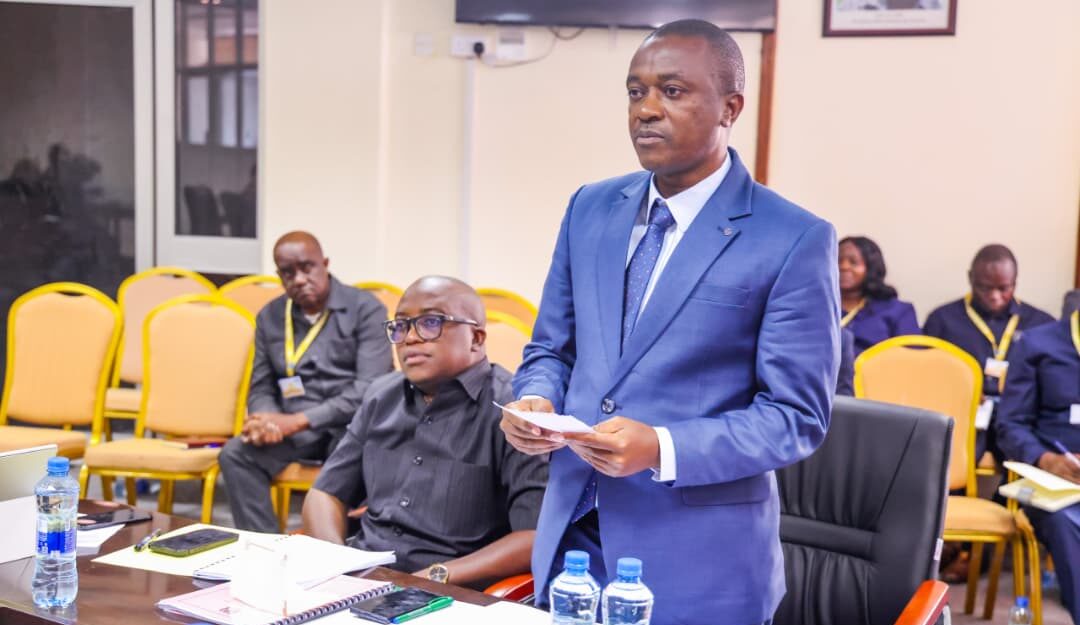
The discussions on the Tanzanian side were chaired by the Assistant Commissioner for Minerals responsible for small-scale mining, Mr Moses Kongola, who represented the Minerals Commissioner.
The visit forms part of a broader effort by Burkina Faso to strengthen its mining sector governance, improve regulatory systems and enhance the sector’s contribution to national development.
The delegation is seeking to draw lessons from Tanzania’s experience in implementing reforms that have transformed the sector’s operational, regulatory and institutional frameworks.
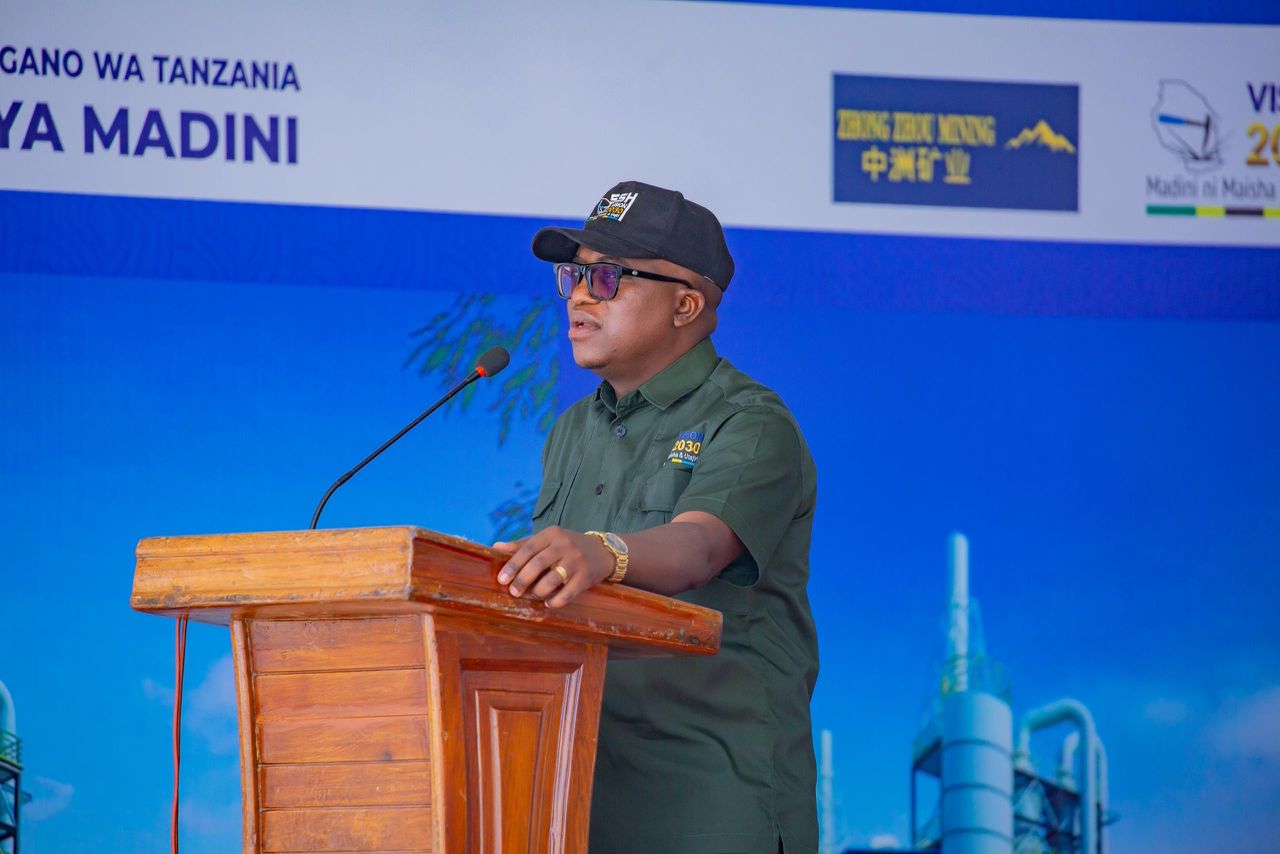
Addressing the meeting, Mr Kongola provided a detailed account of the reforms undertaken by the government to strengthen governance, formalisation and sustainable development of small-scale miners.
He also highlighted measures aimed at enhancing environmental management and improving the overall business climate in the mining sector.
He said Tanzania has strategically invested in modernising regulatory and institutional frameworks, enacting robust policies, laws and regulations that are friendly to investors, and promoting mineral value addition.
These measures, he noted, are intended to maximise the sector’s contribution to national economic growth while ensuring sustainability and inclusivity.
Mr Kongola further underscored that the reforms have been anchored on the principles of transparency, accountability and inclusivity.
He said particular emphasis has been placed on integrating artisanal and small-scale miners into the formal economy, improving occupational health and safety standards, and ensuring environmental protection.
“These efforts have improved compliance and productivity across the sector. They have also strengthened community participation and enhanced local content in mining activities,” he said.
He added that the government has prioritised the establishment of systems that support small-scale miners to operate within formal structures.
This approach, he said, has enabled better access to finance, technology, markets and training, while reducing illegal mining and environmental degradation.
On his part, Mr Ouedraogo said Burkina Faso was keen to learn from Tanzania’s experience in advancing transparency and accountability, building effective support systems for small-scale miners, and aligning the mining sector with broader domestic economic development goals.
He explained that the visit seeks to provide practical insights that will inform improvements in policy formulation, regulatory systems and development strategies for Burkina Faso’s mining industry.
He said the delegation was particularly interested in Tanzania’s approach to formalisation, environmental management, value addition and community engagement.
“We are impressed by the progress Tanzania has made in strengthening governance, promoting responsible mining and ensuring that the sector contributes meaningfully to economic development,” Mr Ouedraogo said.
He added that Burkina Faso aims to adapt relevant lessons to its own context in order to enhance efficiency, transparency and sustainability in its mining sector.
The six-day study tour will also include technical sessions with officials from the Ministry of Minerals and field visits to key mining regions and operations.
These will include visits to Tabora, Kahama’s Buzwagi mine and Geita Gold Mine.
The visits are intended to offer the delegation hands-on exposure to the operational, regulatory and environmental management practices applied across Tanzania’s mining value chain.
They will also provide an opportunity to observe the implementation of policies on the ground and to engage directly with mining operators, regulators and local communities.
Officials from both countries said the engagements would deepen bilateral cooperation, foster knowledge exchange and strengthen institutional capacity.
They expressed optimism that the collaboration would contribute to more sustainable, inclusive and productive mining sectors in both countries.
The meeting concluded with both sides agreeing to continue working together, exchange technical information and build long-term partnerships in the management of mineral resources. The cooperation, they said, further reinforces Tanzania’s growing reputation as a reference point for mining sector reforms in Africa.