
Dar es Salaam. Tanzania has formalised a partnership with the World Gold Council and the Geita Gold Refinery to advance the nation’s mineral value addition agenda.
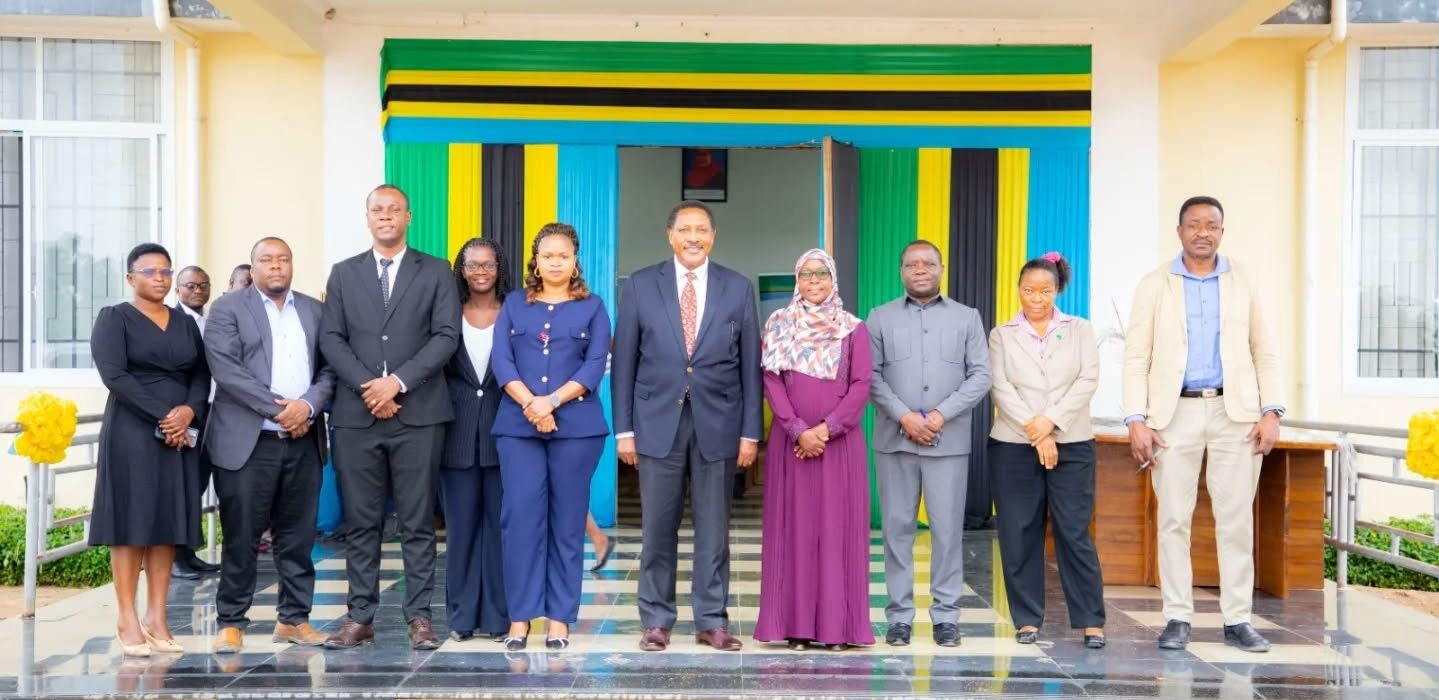
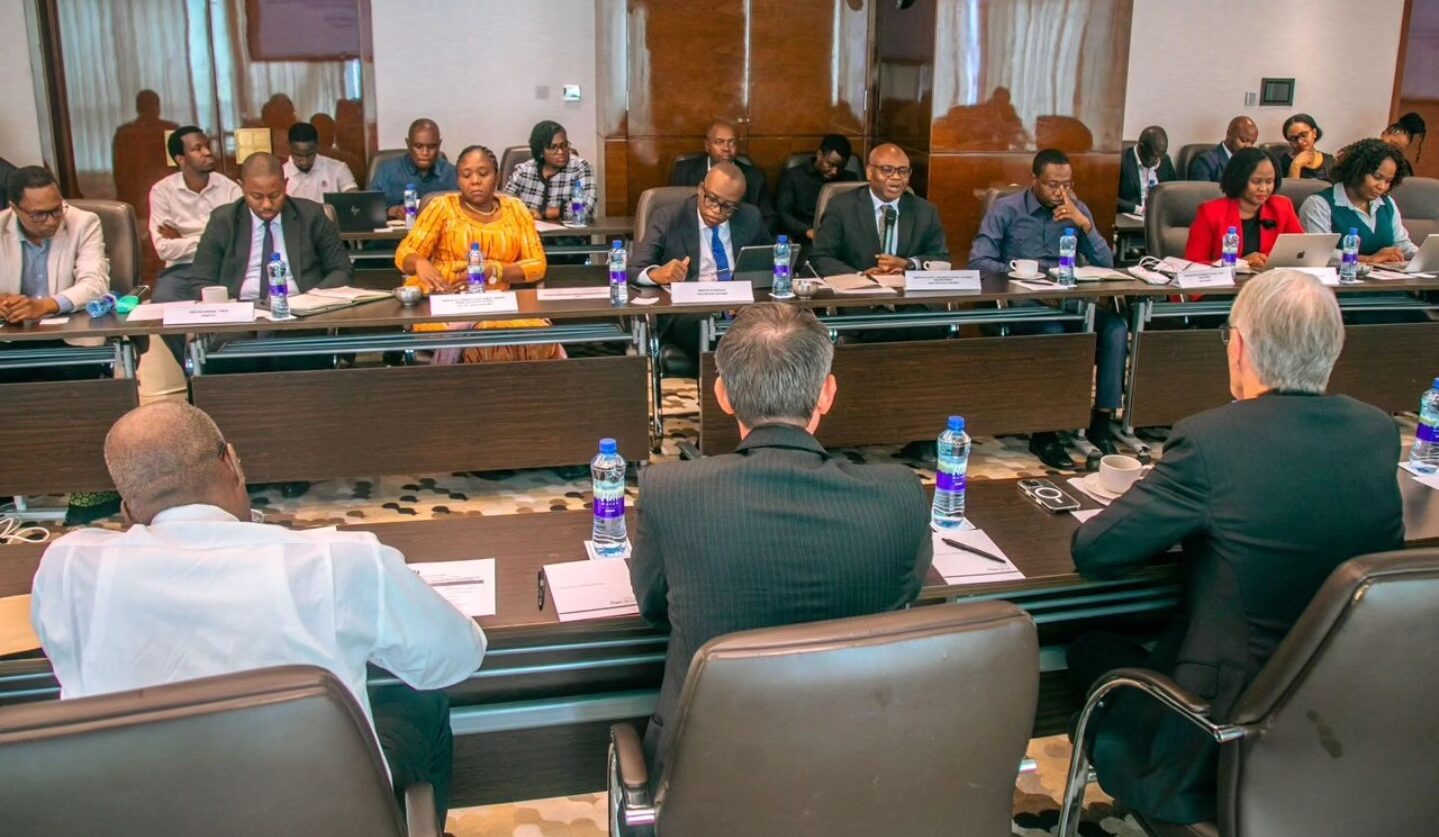
This collaborative session was led by the Minister of State for Planning and Investment, Prof Kitila Mkumbo.
The meeting, which included the Minister for Minerals, Mr Anthoy Mavunde, other ministers and technical experts, focused on industrialisation and trade growth.
Prof Mkumbo said the government was committed to transforming the mining sector from raw extraction to high-value processing.
He officially invited the World Gold Council to expand its footprint in Tanzania to support this economic transition.
He expressed deep appreciation for the Council’s willingness to collaborate with local stakeholders.
“We are reorganising ourselves to ensure our natural resources drive our national development projects,” Prof Mkumbo noted.
He added that the partnership aligns with the directive to strengthen foreign exchange reserves through domestic gold production.
The Minister highlighted that increasing the contribution of minerals to the national economy remains a top priority for the current administration.
He welcomed the technical expertise of the Council to help the country meet international standards for refined gold.
The chief executive of the WGC, David Tait, praised Tanzania’s proactive engagement with its artisanal and small-scale mining sectors.
He confirmed that the Council is ready to provide the necessary capacity building to enhance the entire gold production chain.
“Tanzania is demonstrating global leadership in how it integrates small-scale miners into the formal economy,” Mr Tait remarked during the session.
He further explained that the WGC would facilitate reliable market access while ensuring all operations adhere to the Council’s strict regulatory frameworks.
This includes maintaining industry integrity and transparency as global gold prices continue to reach record highs.
A significant technological component of the agreement involves advanced mineral exploration and research.
Mr Tait expressed his approval of the government’s research initiatives and pledged support for satellite-based exploration.
This initiative is designed to increase the total land area subjected to detailed geological surveys.
By deploying satellite technology, the partnership aims to provide precise guidance to miners, reducing the risks associated with speculative digging.
This data-driven approach is expected to significantly improve the efficiency and output of both large and small-scale operations across the country.
The Geita Gold Refinery, under the leadership of managing director Sarah Masasi, was recognised as a cornerstone of this new industrial era.
As the first refinery in the country led by a Tanzanian woman, the facility represents a breakthrough in local participation and gender inclusion.
The refinery has played a vital role in the Domestic Gold Purchase Programme, which allows the central bank to acquire refined gold directly.
This local processing capability ensures that more value is retained within Tanzania.
The refinery’s pursuit of international accreditation remains a key goal for the partnership to ensure Tanzanian gold is competitive on the global stage.
Minister for Youth Development, Dr Joel Nanauka, and the Minister for Community Development, Dr Dorothy Gwajima, underscored the social benefits of the initiative.
They stated that the programme specifically targets the empowerment of women and youth within the gold value chain.
“This plan will create sustainable employment and directly increase the income of mining households,” Dr Nanauka commented.
Dr Gwajima added that the inclusion of marginalised groups in high-value production is essential for long-term economic stability.
Both ministers agreed that the increased contribution of small-scale miners is already a significant driver of national economic growth.
The partnership marks a shift towards economic independence and a reduced reliance on external aid for infrastructure funding.