
Dar es Salaam. Business leaders and economic experts in the country have underscored the importance of adaptability and strategic foresight as critical pillars for the survival and growth of Tanzanian businesses in an increasingly volatile global economy.
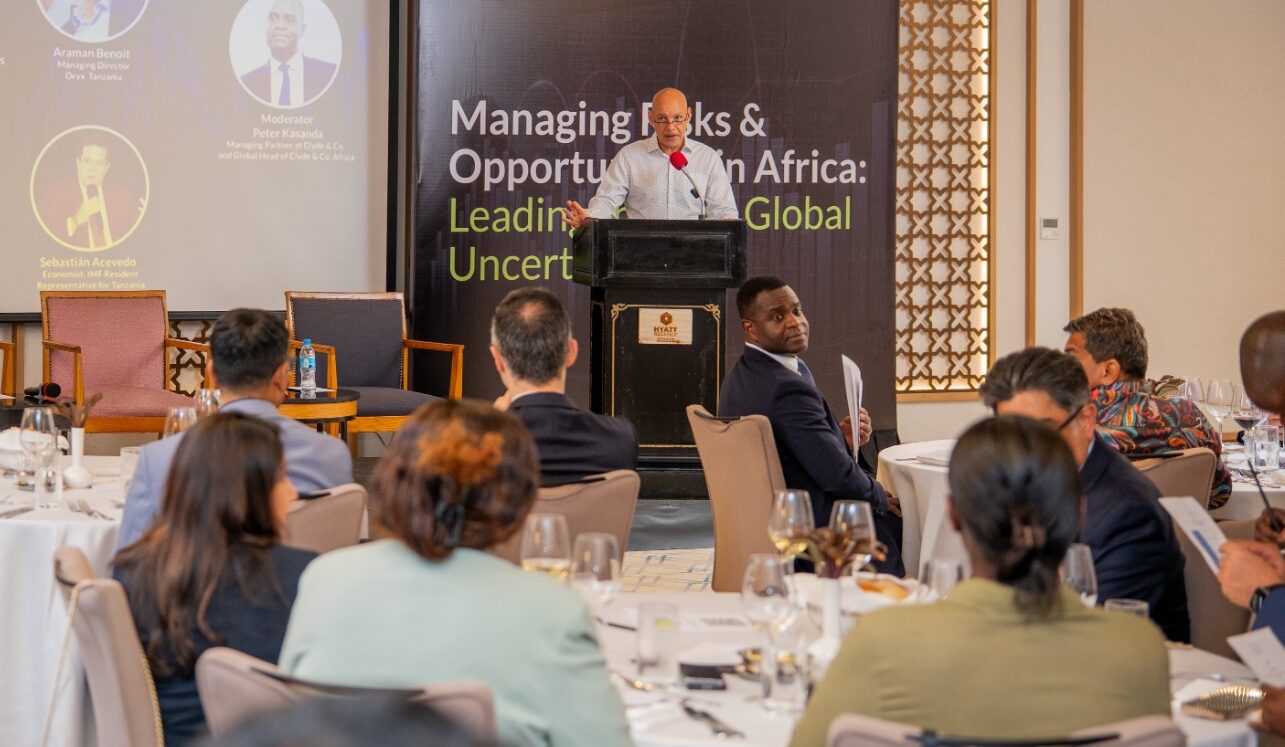
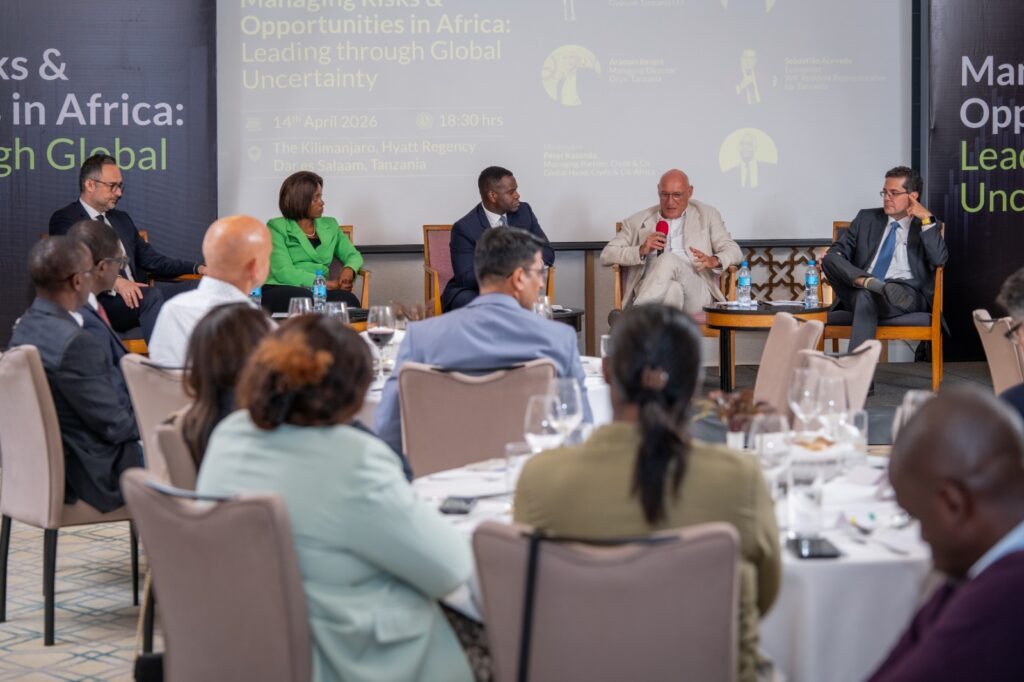
This was a take away during the CEO Roundtable of Tanzania (CEOrt) engagement meeting held at the Hyatt Regency Dar es Salaam, under the theme Setting the Stage: Managing Risks and Opportunities Through Global Uncertainty.
The engagement forum brought together leaders from across industries to explore how Tanzanian enterprises can remain competitive as it re-aligns with the current situation despite mounting global risks.
Mr Araman Benoit, the managing director of Oryx Gas Tanzania, reflecting his assessment of the energy sector, described it as increasingly influenced by factors beyond traditional supply and demand dynamics.
He warned that geopolitical tensions and climate-related pressures are driving unprecedented volatility, where pricing is shaped as much by speculation and opportunistic trade as by market fundamentals.
According to Mr Benoit, the ripple effects are already evident, with businesses grappling with rising fuel costs, higher freight premiums, and mounting foreign exchange pressures.
These challenges, he noted, are eroding cost predictability and forcing companies to rethink their operational models.
He further cautioned that a global shift toward what he termed an “economy of war” is deepening instability.
In such a climate, Benoit argued, businesses must prepare for prolonged turbulence rather than short-term disruption.
Providing a macroeconomic outlook, Sebastian Acevedo, Country Representative of the International Monetary Fund (IMF) noted that despite global shocks, including ongoing geopolitical conflicts, Tanzania’s economic prospects remain broadly resilient.
He said that growth is expected to stay robust, supported by strong fundamentals and commodity performance.
However, Acevedo warned that inflationary pressures and foreign exchange constraints could intensify in the near term, potentially affecting trade and tourism.
He advised policymakers to avoid broad-based interventions such as universal fuel subsidies, describing them as costly and difficult to reverse.
Instead, he recommended targeted social protection measures that are both equitable and fiscally sustainable.
Looking ahead, Acevedo emphasized the importance of investing in human capital and fostering private sector development.
He highlighted Tanzania’s youthful population as both a significant opportunity and a potential risk if not effectively integrated into the workforce.

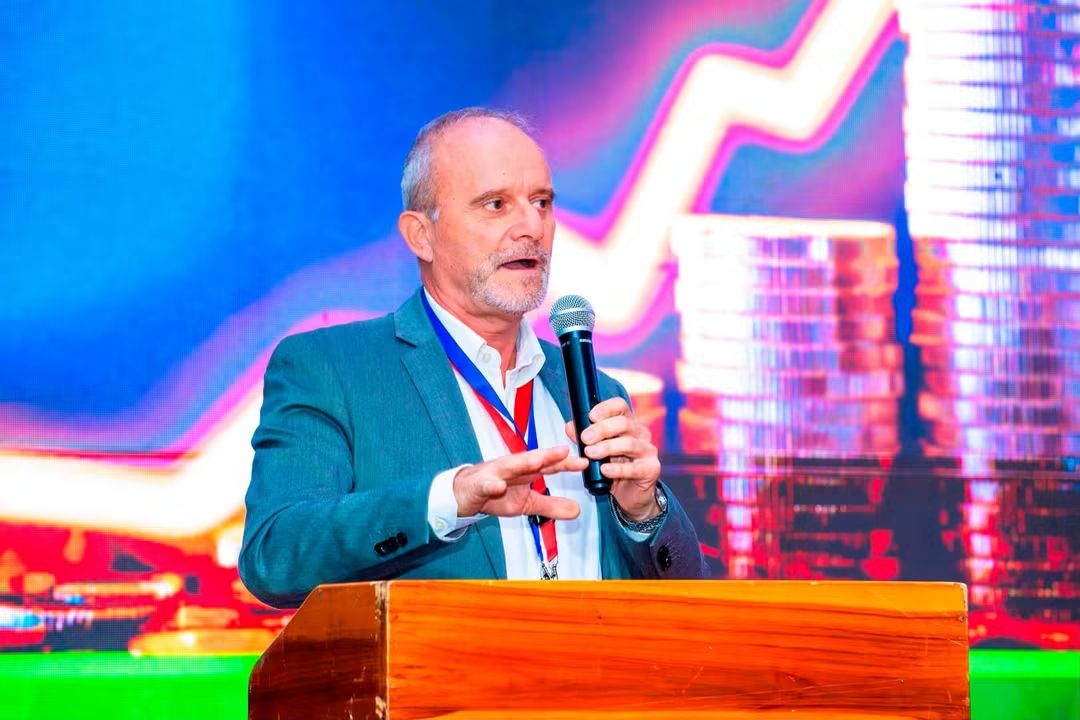
From an industry standpoint, Christoforos Stamoulakatos, CEO of KNAUT East Africa stressed the need for a shift in how businesses approach risk management. He argued that companies must move beyond reactive crisis responses and instead embed resilience into their long-term strategic planning.
In a world increasingly defined by recurring disruptions, Stamoulakatos said businesses must strike a balance between long-term vision and operational agility.
Traditional planning cycles, he noted, are no longer sufficient, urging firms to adopt more flexible and adaptive frameworks.
Despite ongoing challenges, including supply chain disruptions and infrastructure constraints, he emphasized that core principles such as safety, quality, business continuity, and cash management must remain uncompromised.
Adding to the discussion, Zainab Msimbe of PwC observed that Tanzanian business leaders remain cautiously optimistic, with confidence rooted more in domestic fundamentals than global conditions.
However, she noted that this optimism is increasingly tempered by prudence.
Ms Msimbe highlighted a shift in corporate behavior, with firms scaling back large capital investments and prioritizing liquidity and risk management.
Executives, she said, are increasingly focused on navigating immediate operational challenges, often at the expense of long-term strategic initiatives.
At the same time, she pointed to regional expansion as a key growth strategy.
During the discussion, it was observed that many Tanzanian companies are exploring opportunities across East and Southern Africa, leveraging partnerships and collaboration as lower-risk pathways to new markets amid uncertainty.
It was also noted that uncertainty is no longer a temporary disruption but the defining condition of today’s business environment.
In this evolving landscape, Tanzanian business leaders are not merely reacting to global shifts, they are positioning themselves to navigate risks while capturing emerging opportunities.