
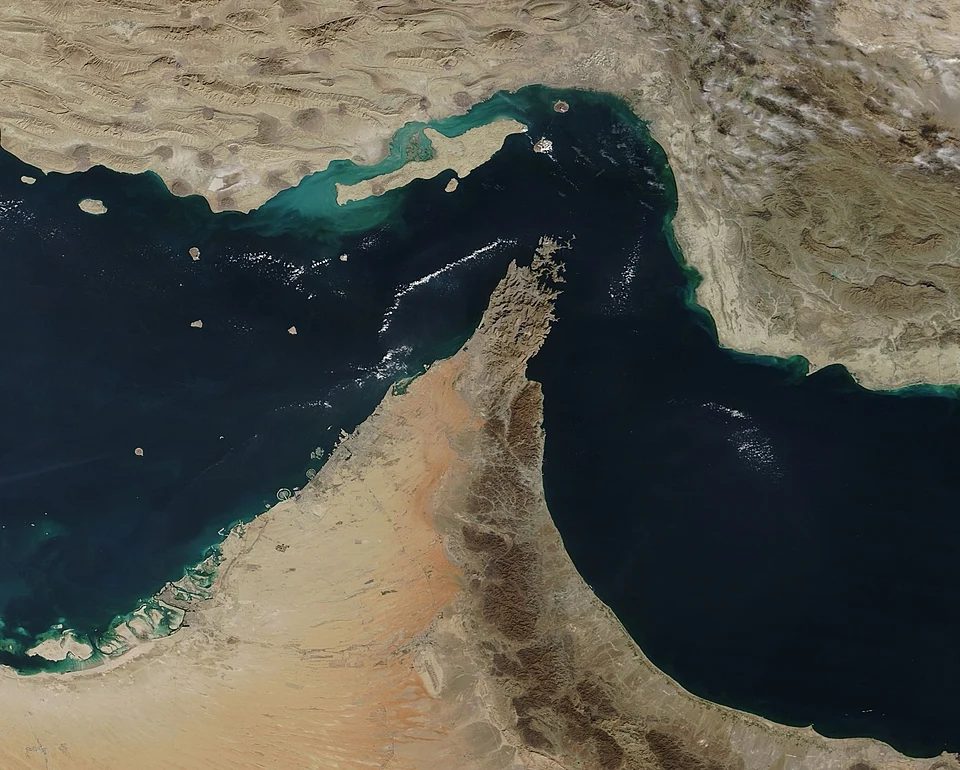
Tehran. Iran announced on Friday, April 17, 2026 that the strategically vital Strait of Hormuz had been reopened to commercial shipping, marking a significant development in the ongoing Middle East crisis.
However, US President Donald Trump declared that the American naval blockade targeting Iranian shipping would remain in force until a formal agreement with Tehran is secured.
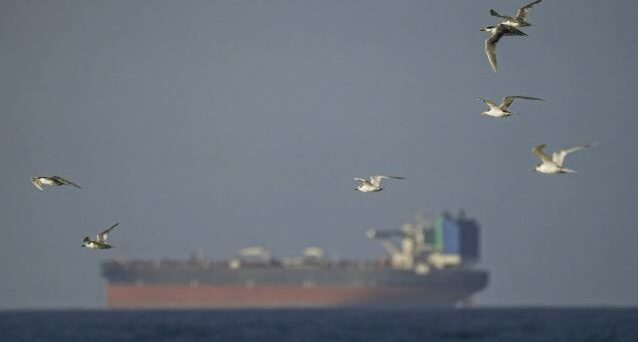
Iranian authorities confirmed that commercial vessels were permitted to pass through the narrow waterway, which handles a substantial share of global oil shipments.
The reopening followed ceasefire arrangements linked to regional hostilities, including a truce connected to tensions in Lebanon.
Despite the reopening, Washington maintained its military pressure.
President Trump stated that the naval blockade on Iranian shipping would continue “in full force” until a comprehensive settlement is reached with Tehran.
The blockade specifically targets vessels travelling to or from Iranian ports while allowing general maritime traffic to resume through the strait.
Shipping activity had been severely disrupted in recent weeks.
Iran had previously mined parts of the strait and restricted passage, causing maritime traffic to fall sharply and forcing numerous tankers to remain idle in the Gulf.
The reopening has raised hopes that normal flows may gradually resume.
The Strait of Hormuz remains one of the world’s most critical energy routes.
Approximately one-fifth of global oil shipments passes through the channel, making any disruption a matter of global economic concern.
Financial markets responded swiftly to the announcement.
Oil prices dropped sharply following confirmation that commercial navigation had resumed.
Reports indicated declines of more than 10 percent in benchmark crude prices as traders anticipated renewed energy supply flows.
Nevertheless, uncertainty persists.
Analysts have warned that lingering naval mines, new transit requirements, and unresolved diplomatic issues could slow the full restoration of shipping operations.
Questions also remain over whether the ceasefire arrangements will endure long enough to support lasting maritime stability.
Diplomatic efforts are ongoing.
Officials in Washington and Tehran have indicated cautious optimism that negotiations could soon produce a broader settlement.
Until such an accord is concluded, the US has signalled its intention to retain the naval blockade as leverage in talks aimed at ending hostilities and ensuring freedom of navigation through the region.