
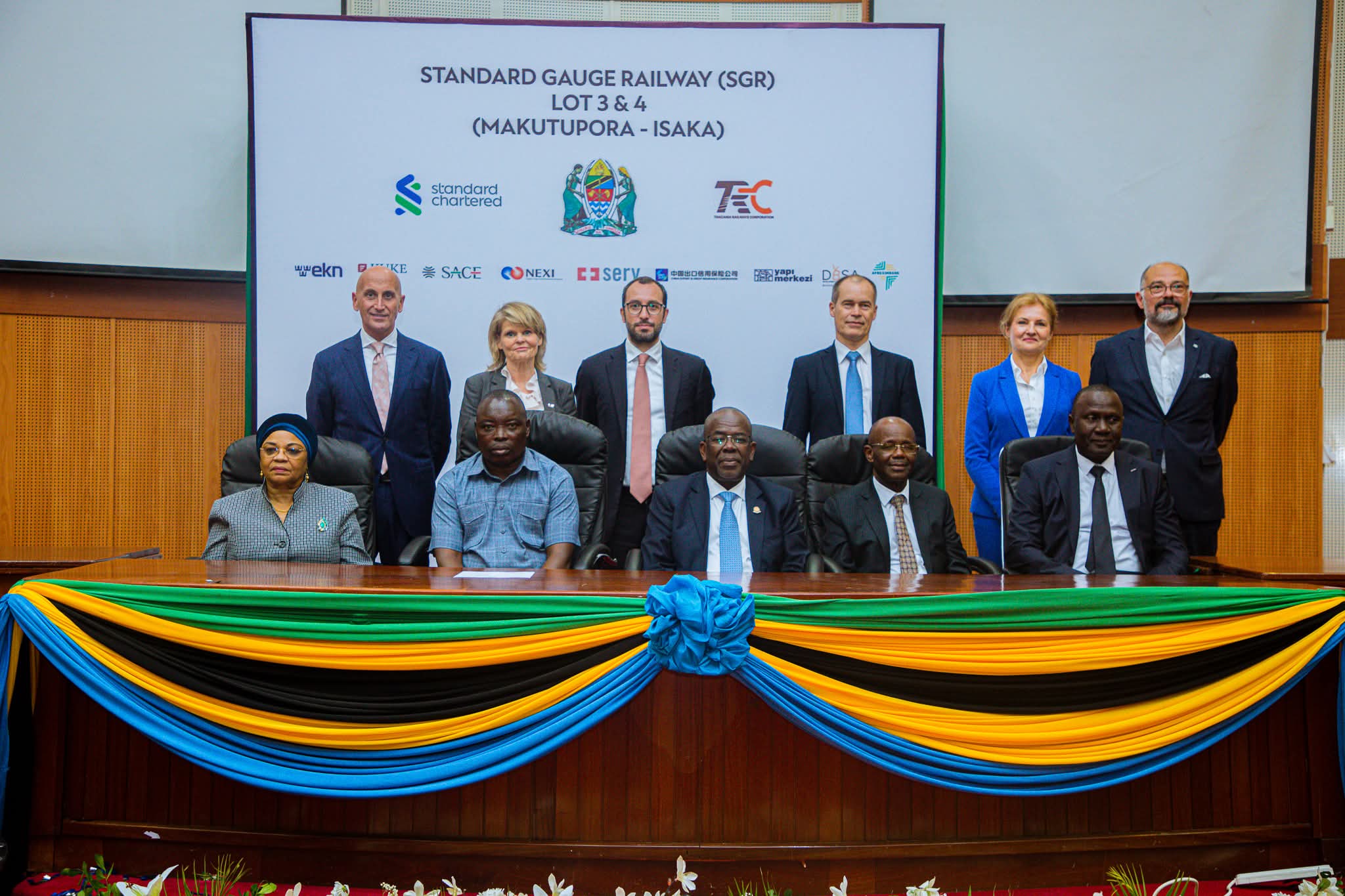
Dodoma. Tanzania has signed a major financing agreement valued at approximately $1.277 billion to support the continuation of the Standard Gauge Railway (SGR) project between Makutupora and Isaka.
The agreement marks a significant milestone in the country’s ongoing efforts to expand its modern railway network and strengthen regional transport corridors.
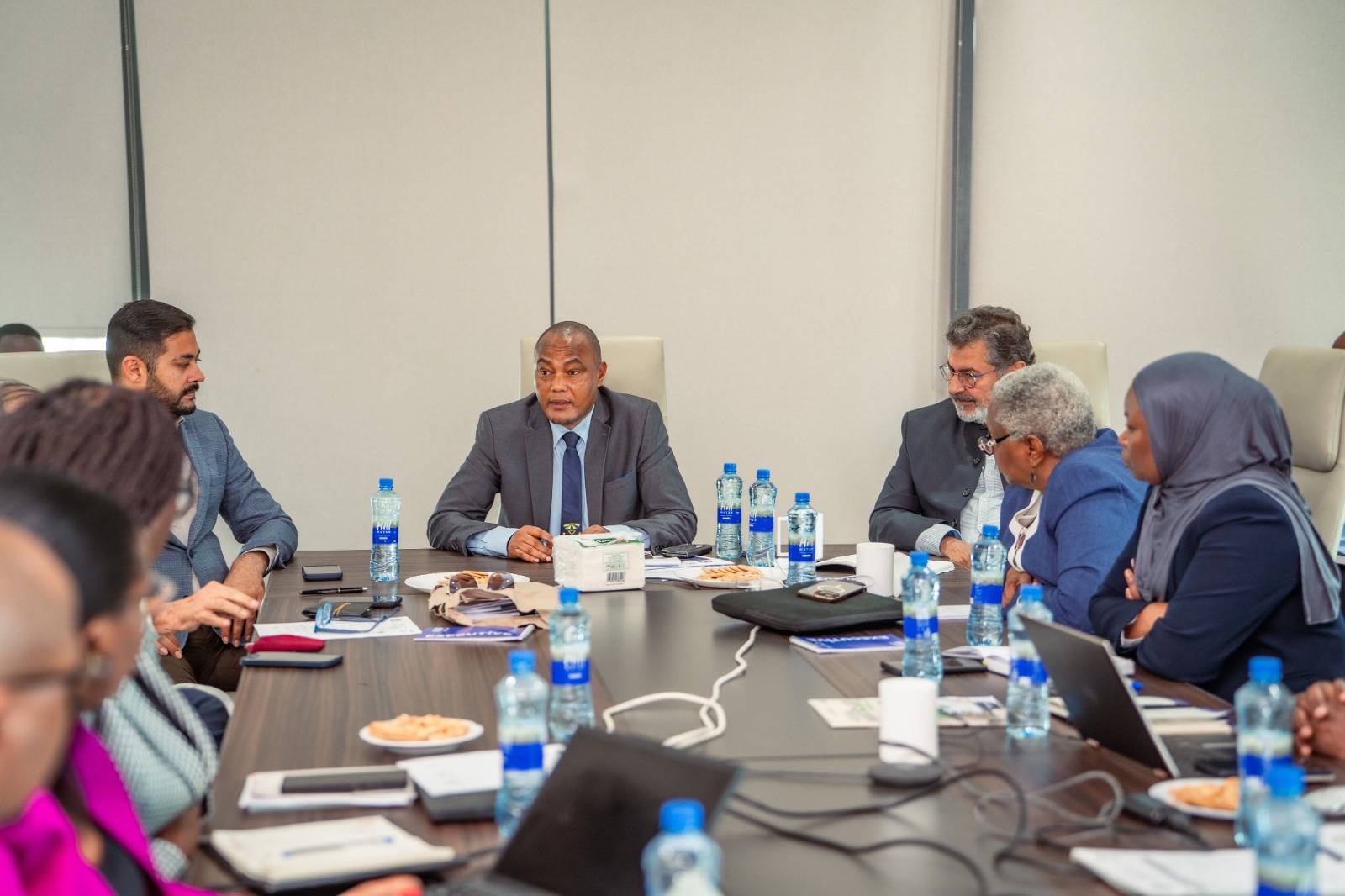
The signing ceremony took place here in the city, where the Permanent Secretary in the Ministry of Finance, Dr Natu El‑maamry Mwamba, signed on behalf of the Government.
The Chief Executive Officer of Standard Chartered, Herman Kasekende, signed on behalf of the financing partners.
Speaking during the event, the minister for Finance Khamis Musa Omar said the funds form part of a broader $2.33-billion financing package for the implementation of Lots Three and Four of the SGR project.
He explained that the financing arrangement is structured as a syndicated facility supported by export credit agencies from Italy, Sweden and Poland, through their respective institutions SACE, EKN and KUKE, coordinated by Standard Chartered.
“This investment advances one of the most strategic infrastructure projects in our nation’s history,” the minister said.
“It aims to link the Port of Dar es Salaam with the Lake Zone and neighbouring countries, while strengthening Tanzania’s position as a regional transport and trade hub.”
The SGR project forms part of Tanzania’s long-term strategy to modernise transport infrastructure and stimulate economic growth across the central corridor.
The railway is designed to connect Dar es Salaam with inland regions and ultimately link to neighbouring states including Rwanda, Burundi, Uganda and the Democratic Republic of the Congo.
Officials say the Makutupora–Tabora section, known as Lot Three, covers approximately 294 kilometres, while the Tabora–Isaka section, known as Lot Four, spans about 130 kilometres.
Minister for Transport Prof Makame Mbarawa said the project will significantly expand freight and passenger capacity once completed.
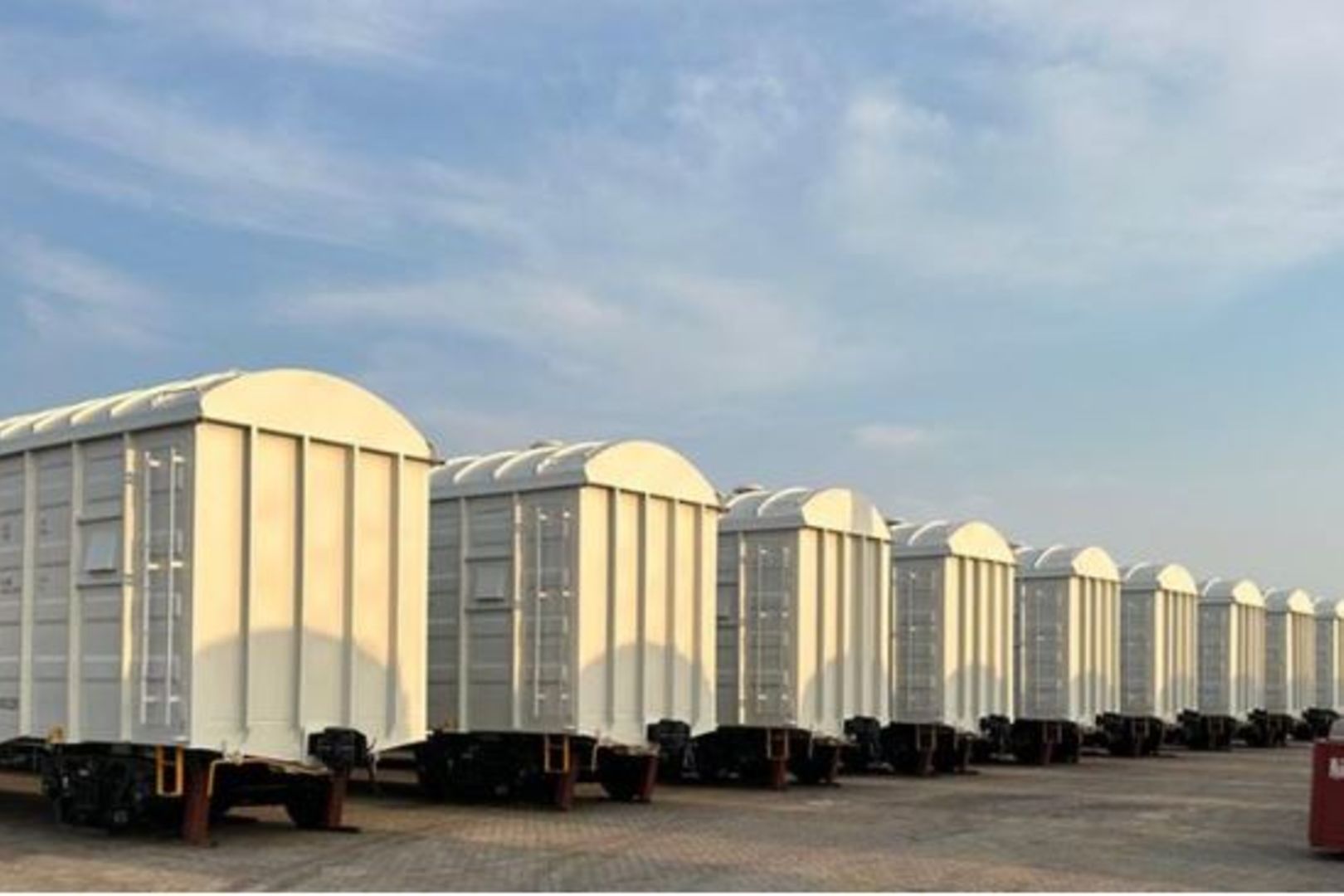
He noted that the railway is expected to transport up to five million tonnes of cargo annually and reduce transport times considerably.
He added that the improved efficiency would enhance safety, reliability and sustainability in the transport sector.
The minister further highlighted the progress already recorded on earlier phases of the railway.
He said passenger services between Dar es Salaam and Dodoma have transported nearly six million passengers and more than 120,000 tonnes of cargo.
Travel time between the two cities has been reduced from about 12 hours by road to roughly three hours by rail.
He added that the electrified railway system is designed to be energy-efficient and environmentally sustainable.
The use of electric locomotives is expected to reduce fuel consumption and lower greenhouse gas emissions, supporting Tanzania’s transition towards a low-carbon economy.
The Standard Gauge Railway is among the largest infrastructure projects currently underway in Tanzania.
It is being implemented in phases to replace the ageing metre-gauge railway system and to create a faster, high-capacity transport network capable of handling both passengers and heavy cargo.
Once completed, the wider SGR network is expected to extend over more than 2,500 kilometres across the country.
The system will connect major industrial and agricultural centres to ports and regional markets, thereby reducing logistics costs and improving competitiveness in trade.
Diplomatic representatives from Sweden, Italy and Poland welcomed the progress made on the project.
They said the successful implementation of earlier phases has strengthened confidence among international partners and opened opportunities for broader cooperation in infrastructure development.
They also emphasised that continued collaboration through export credit agencies and financial institutions will support sustainable infrastructure investments and encourage greater participation by European companies in Tanzania’s growing economy.