

Dodoma. The Mining Commission has surpassed its performance targets for the current financial year after issuing 11,674 mining licences between July 2025 and March 2026.
This achievement represents an over-performance against the initial institutional target of 11,463 licences for the period.
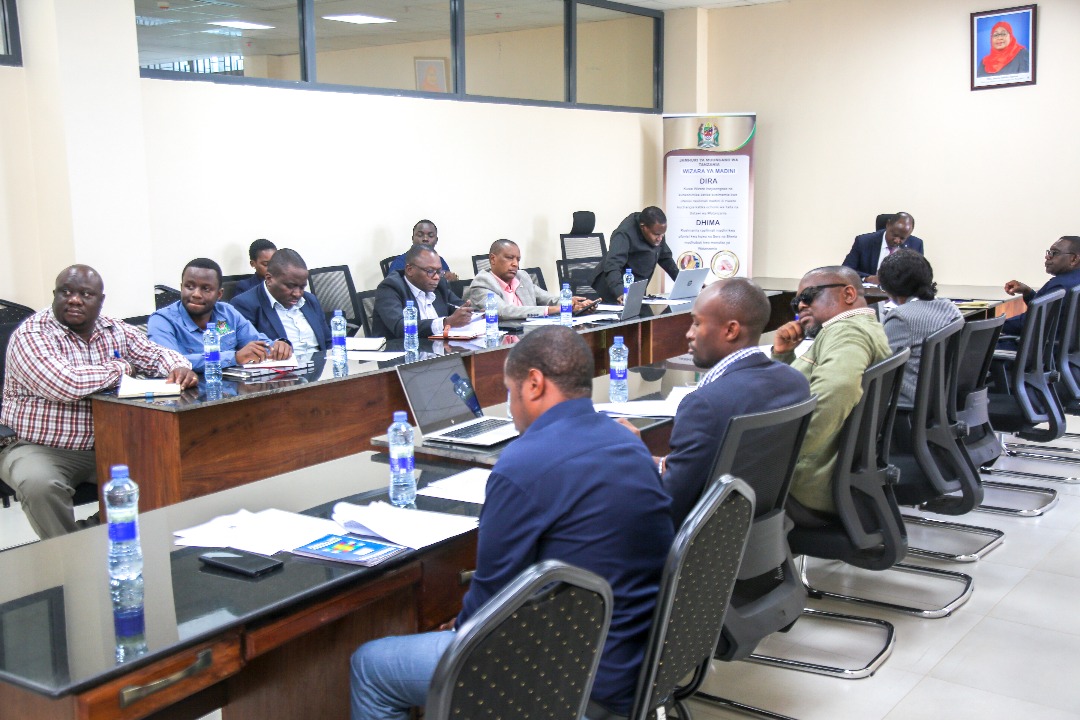
The figures were disclosed in Parliament by the Minister for Minerals, Anthony Mavunde, whilst presenting the ministry’s revenue and expenditure estimates for the 2026/2027 financial year.
Mr Mavunde told Parliament that the newly granted permits include 21 Medium-Scale Mining Licences (MLs), 313 Prospecting Licences (PLs), and 8,878 Primary Mining Licences (PMLs) aimed at small-scale miners.
“Additionally, the commission approved 41 Processing Licences (PCLs), 914 Dealer Licences (DLs), and 1,507 Broker Licences (BLs),” he noted.
However, Mr Mavunde warned that regulatory compliance remains a stringent requirement for retaining these permits.
During the same nine-month period, default notices were issued to 111 prospecting licences and 35 medium-scale mining licences due to non-payment of annual fees and failure to develop the allocated areas.
Consequently, 53 prospecting licences and 29 medium-scale licences were officially revoked after the owners failed to rectify the breaches within the statutory timeframe.
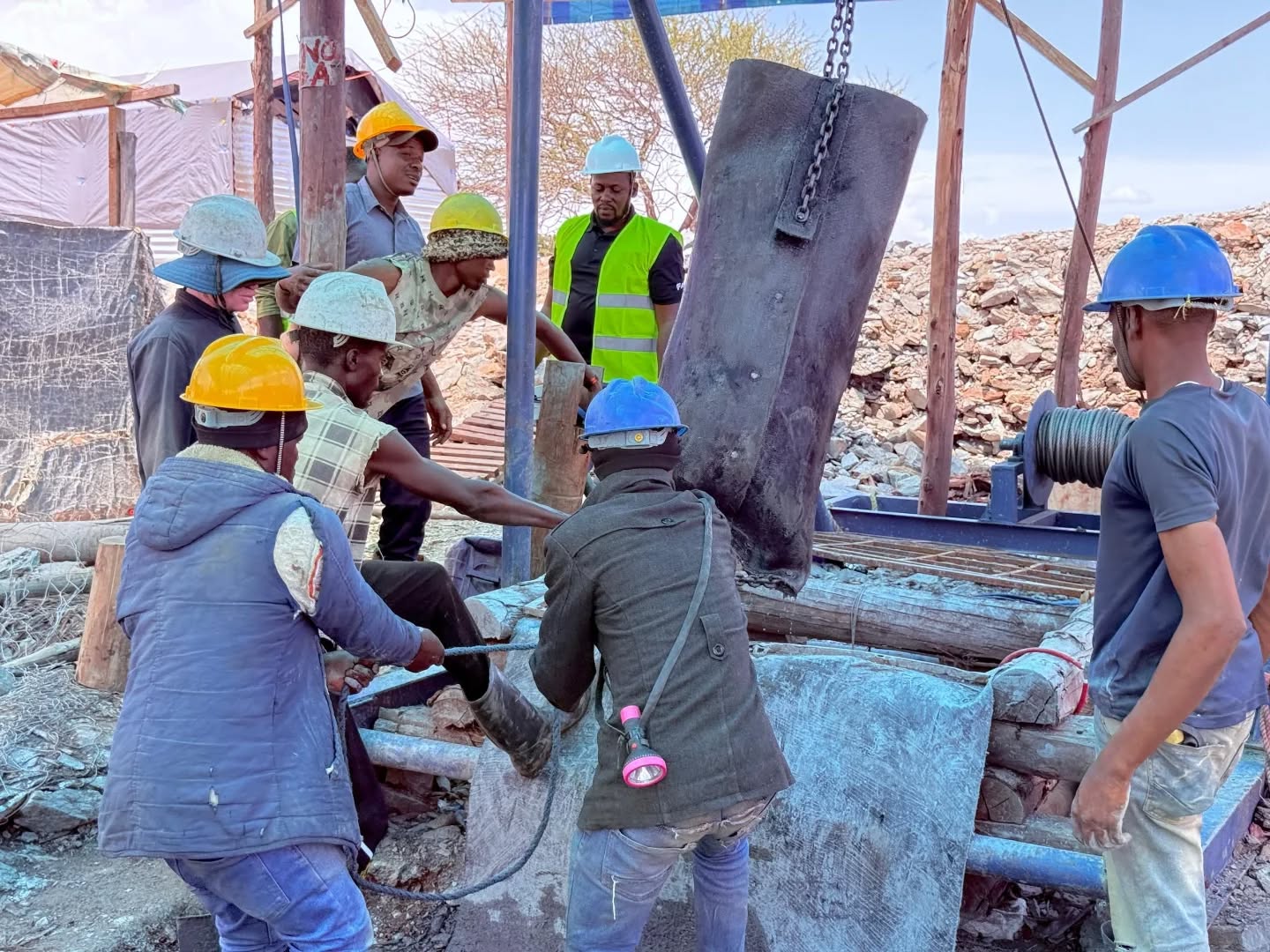
In terms of field monitoring and safety, the ministry scaled up inspections across 25 mining regions.
Regulatory teams inspected 52 Carbon-in-Pulp and Carbon-in-Leach (CIP/CIL) gold processing plants, 509 vat leaching operations, and 204 elution systems to ensure environmental and operational standards were met.
Mr Mavunde also highlighted strict oversight regarding environmental rehabilitation and mine closures.
The National Mine Closure Committee reviewed closure plans for four major mines, though none received approval.
The applications were rejected due to technical deficiencies, including a lack of geotechnical stability research and an absence of feedback from district-level closure committees regarding sustainable community economic projects post-closure.
These regulatory and administrative milestones form part of the government’s broader strategy to formalise the sector and drive economic growth under the Vision 2030 mining framework.