

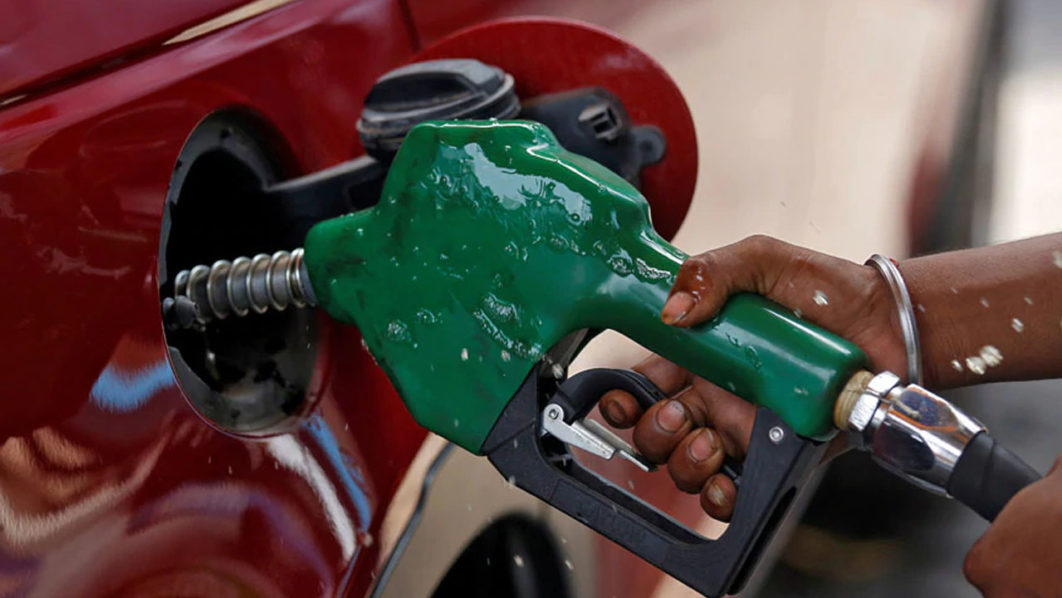
Dar es Salaam. The Energy and Water Utilities Regulatory Authority (Ewura) has officially published the retail cap prices for petroleum products effective from May 6, 2026, confirming a sharp increase in costs for petrol, diesel, and kerosene.
The new pricing structure reflects the severe impact of escalating geopolitical tensions in the Middle East, which have disrupted global supply chains and significantly inflated the cost of refined petroleum in the Arab Gulf market.
In the commercial hub, Dar es Salaam, petrol prices have risen to Sh4,115 per litre, while diesel and kerosene are now capped at Sh4,101 and Sh3,979 per litre, respectively.
These figures mark a substantial leap from the April rates, where petrol stood at Sh3,820 and diesel at Sh3,806.
The regulator noted that the volatility is largely driven by a massive spike in Free on Board (FOB) prices and rising import premiums, compounded by a weakening local currency against the US Dollar.
The highest fuel prices in the country are concentrated in the remote northwestern and western regions due to the extensive logistical costs associated with inland transportation from the primary ports.
Motorists in Kyerwa District within the Kagera Region are currently facing the highest costs in mainland Tanzania, with petrol reaching a record Sh4,374 per litre.
In this same district, diesel has climbed to Sh4,360, while kerosene is priced at Sh4,238.
Similarly, in the Misenyi and Karagwe districts of Kagera, petrol prices have hit Sh4,372 and Sh4,348 respectively, while diesel in these areas has surpassed the Sh4,330 threshold.
Western regions are also experiencing significant price pressure, with the Uvinza and Buhigwe districts in Kigoma seeing petrol prices at Sh4,312 and Sh4,311 per litre.
In the regional capital of Kigoma, petrol is now Sh4,312, diesel is Sh4,298, and kerosene is Sh4,177.
These elevated rates are a stark contrast to the lower prices found in port cities like Tanga, where petrol is capped at Sh4,161, and Mtwara, where it stands at Sh4,187.
Ewura has reiterated its commitment to monitoring the market to ensure that wholesalers and retailers do not exceed these mandatory maximum price caps.
The authority has warned that any fuel station found to be hoarding supplies or manipulating prices will be subject to immediate legal action, including heavy fines or the permanent loss of their trading licences.
Consumers are strongly encouraged to verify current prices by using the official government USSD code and to insist on receiving electronic fiscal receipts for all fuel transactions to ensure transparency and accountability at the pump.