
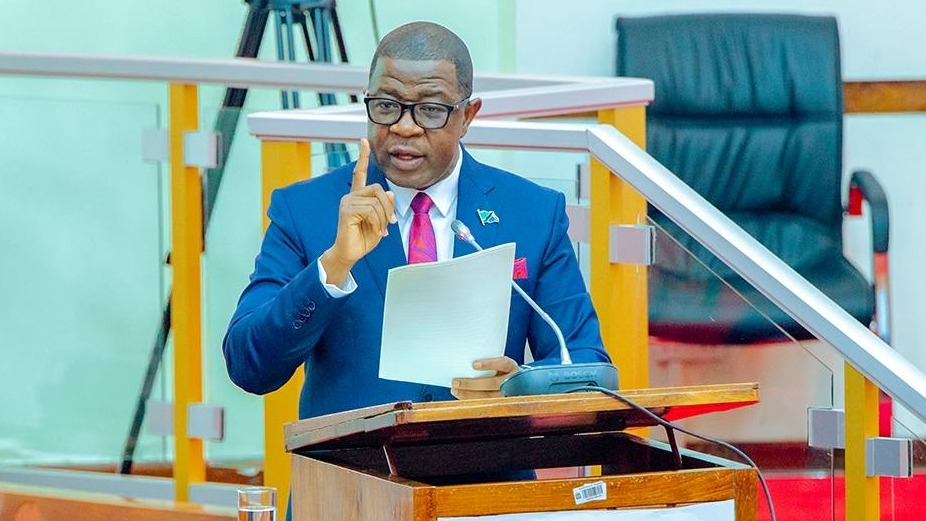
Dar es Salaam. The government has tabled a Sh2.56 trillion budget for the ministry of Works for the 2026/27 financial year, with major spending directed towards roads, airports, urban transport systems and climate-resilient infrastructure projects.
Presenting the ministry’s budget estimates in Parliament on May 20, 2026, the minister for Works, Abdallah Hamis Ulega said the investment plan seeks to modernise the country’s transport network, reduce congestion in major cities and support growing cargo volumes at ports.
Mr Ulega said the programme forms part of the implementation of the National Development Vision 2050 and the Fourth National Five-Year Development Plan.
The projects are also aligned with the ruling party’s 2025 election manifesto.
Mr Ulega said the ministry is seeking parliamentary approval for a total budget of Sh2,564,441,414,000, compared with Sh1.90 trillion approved in the previous financial year.
“Out of the proposed amount, Sh97.10 billion has been allocated for recurrent expenditure. This includes Sh92.21 billion for salaries and Sh4.90 billion for other operational costs,” Mr Ulega noted.
Development expenditure accounts for Sh2.47 trillion of the proposed budget, he added.
Domestic sources will contribute Sh1.54 trillion, while foreign financing will provide Sh922.46 billion.
The Road Fund will contribute Sh1.05 trillion towards road maintenance and related projects. The government’s Consolidated Fund will provide Sh497.47 billion.
Mr Ulega said the 2026/27 budget builds on implementation progress recorded during the current financial year.
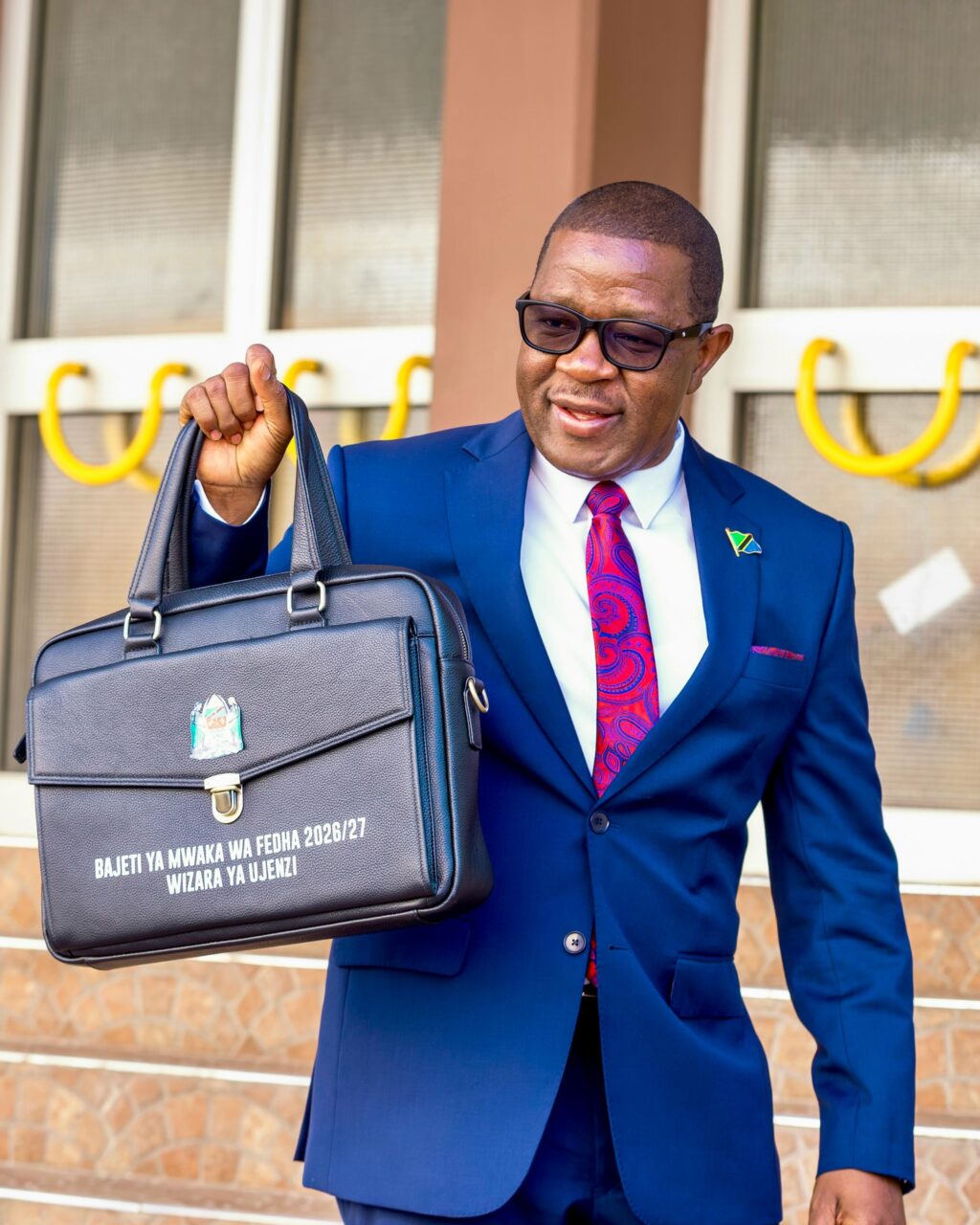
“In 2025/26, the ministry received approval to spend Sh90.47 billion on recurrent expenditure and Sh1.81 trillion on development projects,” he explained.
As of April 2026, the Treasury had released Sh73.60 billion for recurrent expenditure, including Sh70.53 billion for salaries and Sh3.07 billion for other charges.
Development funds disbursed by April 2026 reached Sh1.40 trillion.
Domestic financing accounted for Sh786.10 billion, while foreign funding reached Sh609.56 billion.
Mr Ulega stipulated that the government said priority in the coming financial year will be given to completing ongoing projects before launching new ones.
He noted that major investments will focus on easing traffic congestion in cities such as Dar es Salaam, Dodoma, Arusha, Mwanza and Mbeya.
The ministry plans to continue the implementation of phases two to five of the Bus Rapid Transit (BRT) system. Flyover construction at Morocco, Mwenge and Kamata junctions will also continue.
Road expansion projects include the Dodoma Outer Ring Road and the Mwanza–Usagara highway.
The government also plans to strengthen regional transport corridors linking Tanzania with neighbouring countries.
Among the key projects are the Tanga–Pangani–Makurunge road connecting Tanzania and Kenya, the Manyovu–Kasulu–Kabingo and Kibondo–Mabamba roads linking Burundi, and the Lusahunga–Rusumo highway serving trade routes to Rwanda.
In the aviation sector, the government will continue the construction of the Msalato International Airport in Dodoma.
Upgrading works at airports in Kigoma, Sumbawanga and Shinyanga are also planned.
The ministry said funds have also been allocated to settle outstanding obligations linked to the expansion of Terminal III at Julius Nyerere International Airport.
In water transport, Mr Ulega said, Sh8.86 billion has been set aside for the rehabilitation of 14 vessels and the completion of five ferry projects in the Lake Zone and coastal areas.
“The Tanzania Building Agency will spend Sh24.70 billion to complete 144 housing units in Temeke, Dar es Salaam, and start another housing project in Dodoma,” he noted.
The government said it will continue exploring alternative financing models to support large infrastructure projects, he added.
These include infrastructure bonds and expanded Public-Private Partnership arrangements to reduce pressure on public finances.
Mr Ulega revealed that the ministry is also seeking private investment for projects such as the Kibaha–Chalinze–Morogoro expressway and outer ring roads in Dar es Salaam.
Mr Ulega further pledged to strengthen climate resilience standards in infrastructure projects following damage caused by El Niño rains and Cyclone Hidaya.
According to Mr Ulega, emergency repairs linked to the disasters required Sh556.93 billion under the Contingent Emergency Response Component programme.
New engineering standards will include stronger drainage systems, improved flood protection and more durable construction materials to reduce damage from extreme weather.