
Dar es Salaam. The implementation of Tanzania’s Development Vision 2050 will officially begin on July 1, 2026, with the government introducing a results-based framework aimed at ensuring that national plans, budgets and development programmes are aligned with measurable targets.
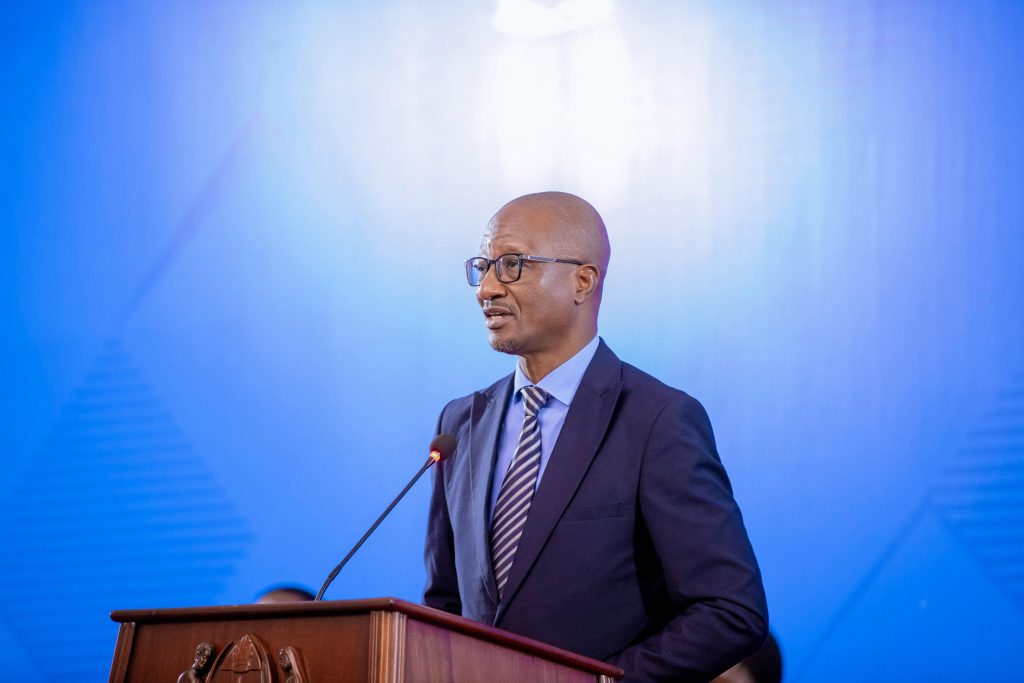
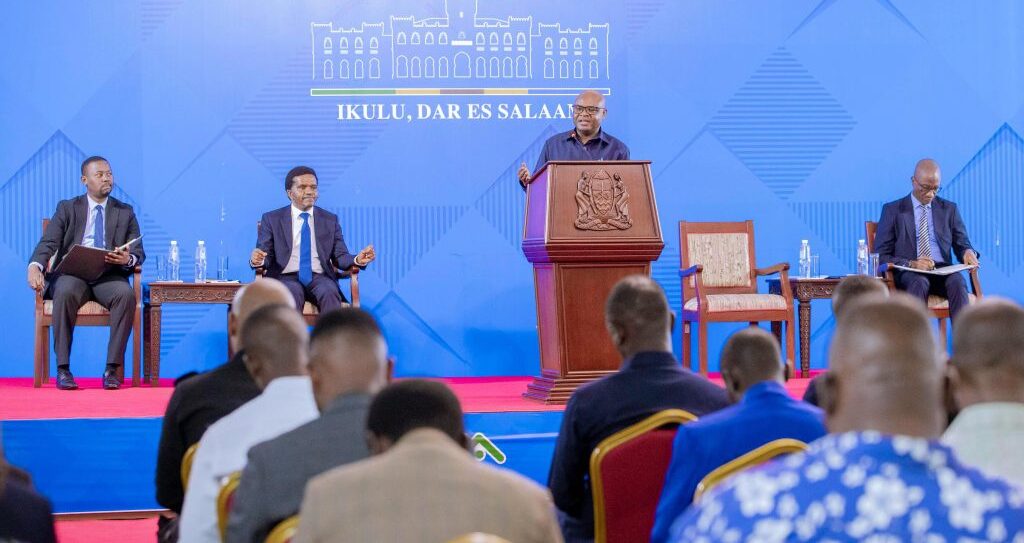
The Minister of State in the President’s Office (Planning and Investment), Prof Kitila Mkumbo, announced on May 31, 2026 that the implementation system is ready and will guide the execution of the country’s long-term development agenda from the start of the new financial year.
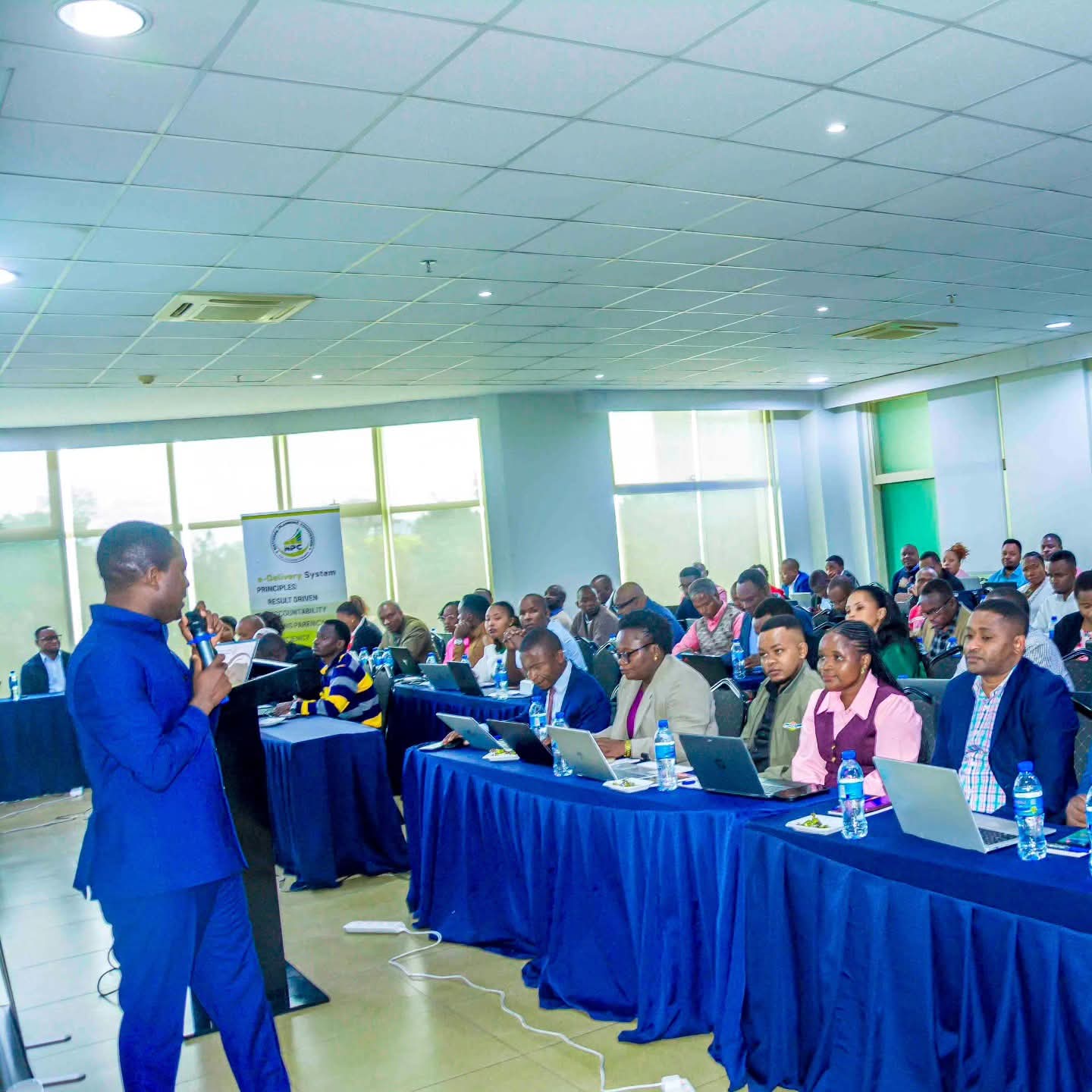
He said ministries, departments, agencies and local government authorities will be required to align their annual plans and budgets with specific indicators contained in the Vision 2050 framework.
“We are no longer focusing on activities. We are focusing on results and outcomes,” Prof Mkumbo said.
The move marks a significant shift in public sector planning, placing greater emphasis on performance measurement and accountability in the implementation of development programmes.

Vision 2050 was officially launched by President Samia Suluhu Hassan in July 2025 as the successor to Vision 2025, whose implementation ends on June 30, 2026.
The new framework is expected to guide Tanzania’s economic, social and political development over the next 25 years.
According to Prof Mkumbo, education has been given the largest share of indicators, accounting for 54, underscoring the government’s intention to place human capital development at the centre of national transformation efforts.
Other priority sectors identified under the Vision include agriculture, industry and construction, minerals and energy, tourism, sports and arts, creative and digital industries, land and housing, trade and investment, social protection, the blue economy, and science and technology.
He said implementation will also be supported by three cross-cutting reform pillars comprising governance, productivity and investment, and socio-economic sustainability.
Together, the pillars carry an additional 142 indicators that will be used to monitor progress and evaluate performance across sectors.
The government has already completed several implementation instruments, including the 25-year Long-Term Perspective Plan, the Fourth Five-Year Development Plan covering 2026/27 to 2030/31, and the Annual Development Plan for 2026/27.
Authorities have also developed planning guidelines and digital monitoring systems to support execution and accountability.

Meanwhile, the director general of the Tanzania Investment and Special Economic Zones Authority (TISEZA), Gilead Teri, said investment inflows have risen sharply in recent years, increasing from about $3 billion in 2021 to $12 billion in 2025.
He attributed the growth to policy reforms, improvements in infrastructure and the government’s economic diplomacy strategy, which have enhanced Tanzania’s attractiveness as an investment destination.
Mr Teri said Special Economic Zones established in Dar es Salaam, Coast, Dodoma, Ruvuma, Mara and Mwanza regions are helping to reduce investment bottlenecks and create a more conducive business environment.
The government expects increased private sector participation, public-private partnerships and strategic investments to play a central role in achieving the ambitions of Vision 2050, which seeks to transform Tanzania into a highly competitive, inclusive and resilient economy over the coming decades.