
Arusha. The East African Community is set to convene an extraordinary virtual meeting of health ministers this week as the region scrambles to contain an outbreak of a rare and highly lethal strain of the Ebola virus.
Scheduled for June 1 and 2, 2026, the session of the Sectoral Council of Ministers responsible for Health aims to coordinate a unified strategy across partner states to halt the transmission of the Bundibugyo virus strain.
The emergency summit comes in the wake of escalating infection rates within the Democratic Republic of Congo and neighbouring Uganda.
Officially declared on May 15, 2026, the current outbreak presents a severe public health challenge because the Bundibugyo strain lacks a licensed vaccine or a specific validated treatment.
The lack of ready medical countermeasures mirrors the difficulties faced during the 2007 outbreak in Uganda, where the strain was first identified, necessitating an aggressive reliance on traditional containment, surveillance, and supportive care.
Data compiled late this month underscores the rapid progression of the disease.
As of 26 May 2026, the Democratic Republic of Congo reported 121 confirmed cases, resulting in 17 deaths, alongside a deeply concerning 1,077 suspected cases and 246 associated fatalities.
Meanwhile, Uganda recorded seven confirmed cases and one death by 25 May 2026. Crucially, the first two Ugandan cases involved individuals who had travelled from the DRC to seek medical attention, highlighting the immediate threat of cross-border transmission.
The epicentre of the crisis remains Ituri Province in the DRC, alongside North Kivu and South Kivu.
Public health officials are particularly concerned about Mongbwalu in Ituri, a locality characterised by intense population mobility and extensive cross-border trade, which acts as a conduit for the virus to enter neighbouring nations.
In response, the EAC Secretariat has initiated a series of urgent interventions to fortify regional defences.
The regional bloc has activated its mobile laboratory network to drastically reduce testing turnaround times at volatile border points.
Nine mobile laboratories are being deployed to strategic locations, including Beni in the DRC, the Busia border in Kenya, Nimule-Elegu on the South Sudan border, Kobero in Burundi, the Kagera and Kigoma regions of Tanzania, Kisenyi and Kihundwe in Rwanda, and Bwera Hospital in Uganda.
This network is funded by the German Government through the German Development Bank KFW, with technical oversight provided by the Bernhard Nocht Institute for Tropical Medicine.
Additionally, the Uganda Virus Research Institute, serving as the EAC Regional Centre of Excellence on Virology, is providing specialised training and regional referral support.
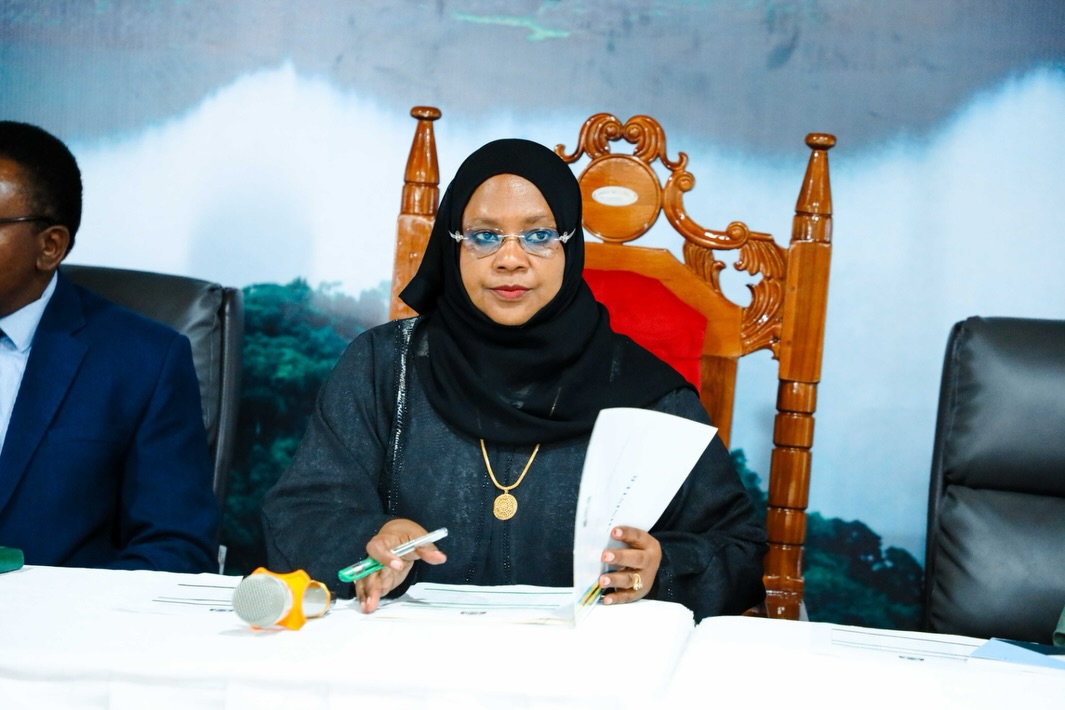
Ambassador Stephen Mbundi, the EAC Secretary General, emphasised that the bloc is taking definitive, coordinated steps to support partner states.
He noted that the EAC is working in tandem with the Africa Centres for Disease Control and Prevention, the World Health Organization, and international development partners to reinforce surveillance, laboratory diagnosis, infection control, and rapid response mechanisms.
Amb Mbundi reiterated the commitment of the EAC to ensure that regional mechanisms protect both the health of the population and the socio-economic stability of East Africa.
Beyond immediate diagnostics, the EAC is focusing on clinical capacity and regulatory alignment.
Through the regional TEACH programme, conducted alongside Charité – Universitätsmedizin Berlin under a GIZ-supported project, preparations are underway for a Training-of-Trainers workshop in early June to upskill medical personnel in managing high-consequence infectious diseases.
Furthermore, the EAC is activating its Rapidly Deployable Expert Pool, a multi-disciplinary cohort of over 180 responders previously used during outbreaks of Mpox, Marburg, and anthrax.
Approximately 40 of these experts will undergo immediate refresher training in risk communication and outbreak management.
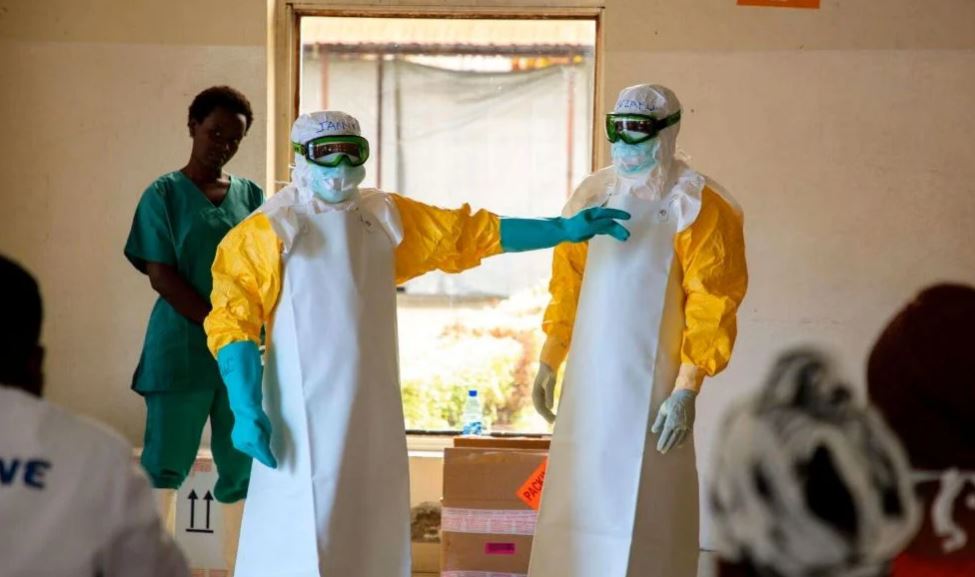
To bolster frontline defences, Germany has financed the procurement of 500 sets of personal protective equipment for the DRC and Uganda, with further acquisitions planned for other partner states.
Concurrently, heads of national medicines regulatory authorities have convened in Arusha to discuss accelerating the approval and registration of potential vaccines and therapeutics, aiming to establish the first joint regional vaccine approval framework in coordination with the African Medicines Agency.
As the ministerial meeting approaches, the EAC Secretariat has urged partner states to strictly monitor points of entry and activate comprehensive emergency plans.
Members of the public have been advised to remain calm, rely on official health updates, maintain rigorous hand hygiene, and immediately report any symptoms to local health authorities.