
Arusha.Tanzania is banking on a major investment in tourism infrastructure across its southern safari circuit to unlock economic growth, attract private investment and increase visitor numbers.
The government says it has spent Sh146.6 billion on upgrading roads, airstrips, accommodation and visitor facilities in some of the country’s largest national parks.
These include Nyerere, Ruaha and Mikumi.
The investment was made through the Resilient Natural Resources Management for Tourism and Growth (REGROW) project, a partnership between the government and the World Bank.
It is one of the largest public investments ever undertaken in southern Tanzania’s tourism sector.
Authorities believe the improvements will make the southern circuit more accessible and attractive to visitors seeking wildlife experiences away from the crowds often associated with the northern circuit.
Speaking to journalists in Arusha over the weekend, Tanzania National Parks (TANAPA) Conservation Commissioner, CPA (T) Musa Kuji, said the programme is designed to strengthen conservation while supporting tourism growth.
“The investments are aimed at improving conservation management, enhancing visitor experiences and creating an enabling environment for sustainable tourism growth and private-sector investment,” he said.
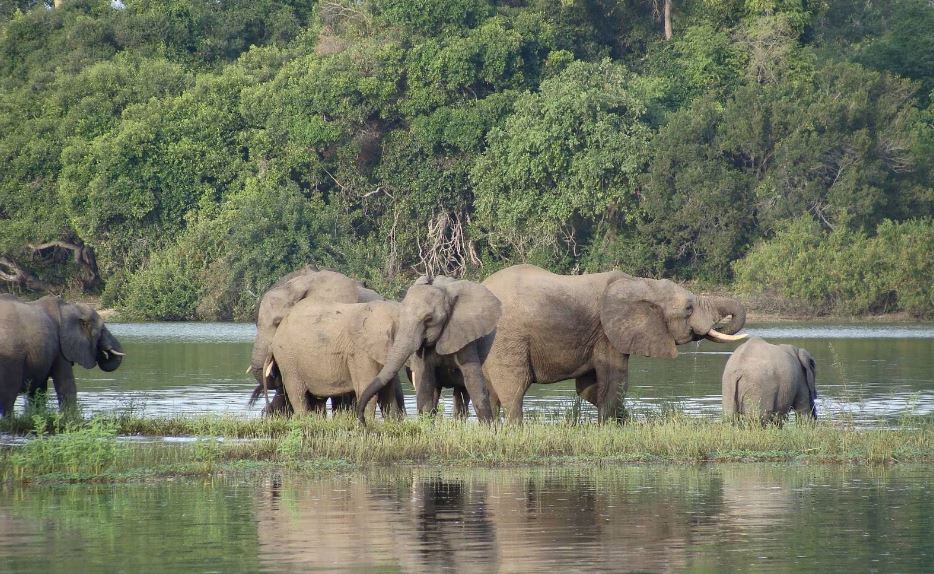
The southern circuit contains some of Africa’s largest protected ecosystems.
However, it has traditionally attracted far fewer visitors than northern Tanzania, which is home to globally renowned destinations such as the Serengeti and the Ngorongoro Conservation Area.
Industry stakeholders have long cited poor transport links and limited tourism infrastructure as key barriers to growth in the region.
Under the REGROW project, extensive infrastructure has been developed across the three flagship parks.
In Nyerere National Park, authorities have constructed a new main entrance gate, ranger facilities, campsites and a 20-room guest house.
Upgrades have also been carried out at Mtemere Airstrip to improve access for tourists and park operations.
Mikumi National Park has benefited from new visitor facilities, accommodation units, campsites and improvements to its airstrip infrastructure.
In Ruaha National Park, Tanzania’s largest national park, investments have included visitor lodges, staff housing, ecological monitoring facilities and airport infrastructure.
The project has also financed equipment valued at more than Sh31 billion.
This includes heavy machinery, vehicles and tractors used in the maintenance of roads, airstrips and other conservation infrastructure.
According to TANAPA, the acquisition of the equipment has significantly reduced operational costs.
Maintenance expenses have fallen by more than 60 percent while supporting the rehabilitation of more than 1,200 kilometres of roads and the upgrading of seven airstrips.
Tourism remains one of Tanzania’s leading sources of foreign exchange earnings and a key contributor to employment and economic development.
Officials view the southern circuit as one of the country’s biggest untapped tourism opportunities.
They argue that improved accessibility and enhanced visitor facilities will help diversify tourism flows and distribute economic benefits more evenly across the country.
Analysts say the improvements could encourage visitors to spend more time exploring different regions of Tanzania.
This would support local businesses and create employment opportunities in communities surrounding protected areas.
The government also expects the upgraded infrastructure to attract greater private-sector participation.
Investors are being encouraged to develop new lodges, tented camps and tourism services to meet growing demand for less-crowded safari destinations.
Global demand for nature-based tourism and exclusive wildlife experiences has increased in recent years, creating opportunities for destinations that offer expansive wilderness areas and lower visitor densities.
Although authorities have not yet released projections on the number of additional tourists expected to visit the southern circuit, they say the investments have laid a strong foundation for long-term growth.
Mr Kuji said the initiative extends beyond improving tourism infrastructure.
“This is not simply an infrastructure programme,” he said.
“It is a strategic investment in the future of southern Tanzania’s tourism economy, conservation sustainability and community development.”
He noted that stronger tourism infrastructure can generate additional revenue for conservation efforts while creating economic opportunities for rural communities living near protected areas.
With improved connectivity, upgraded facilities and growing investor interest, Tanzania hopes the southern circuit will emerge as a major tourism destination capable of complementing the country’s established northern attractions and contributing more significantly to national economic growth.