
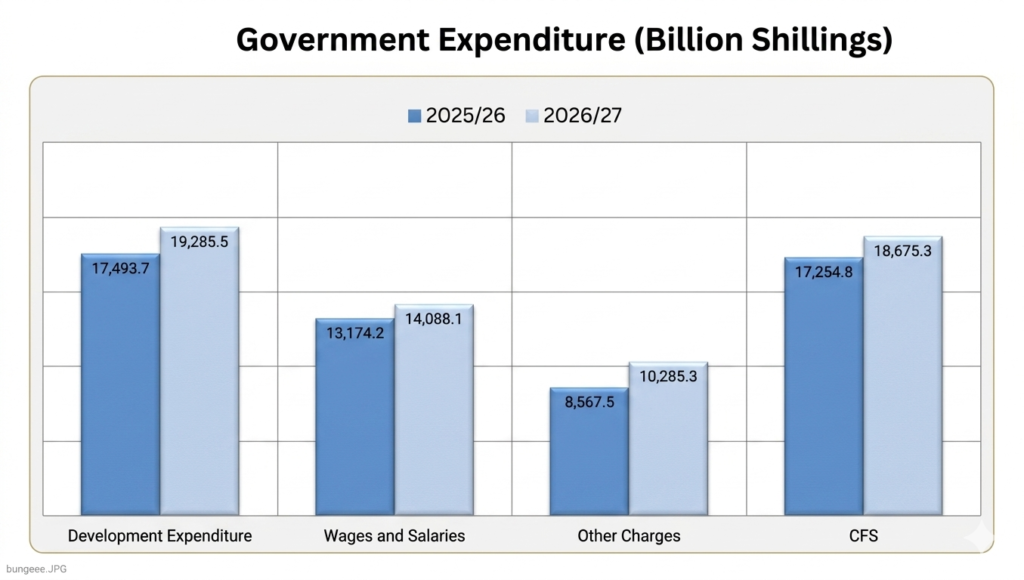
Dodoma. Tanzania’s Sh62.3 trillion budget for 2026/27 has earned broad support from lawmakers, economists and business leaders for its strong focus on industrialisation, domestic production and strategic investment, although concerns remain over public debt, implementation challenges and mounting pressure on household incomes.
Analysis of the budget by Parliament’s Budget Committee and private-sector experts shows a consensus that the spending plan contains important measures aimed at accelerating economic growth and strengthening Tanzania’s productive sectors.
However, stakeholders caution that the benefits may be undermined if fiscal discipline weakens or key reforms are not effectively implemented.
At the centre of the debate is the government’s ambition to transform the economy through industrial development, value addition and investment in strategic sectors.
Economists say the budget signals a continued shift away from reliance on raw commodity exports towards higher-value production capable of generating jobs, boosting exports and expanding government revenue.
The mining sector has emerged as one of the biggest beneficiaries of the budget.
Analysts point to the government’s emphasis on mineral processing and value addition as evidence of a long-term strategy to position Tanzania as a regional industrial hub.
Major projects involving nickel, iron ore, coal and niobium have been prioritised as the country seeks to capitalise on growing global demand for minerals used in electric vehicles, renewable energy technologies and advanced manufacturing.
Experts argue that investments in projects such as Kabanga Nickel, Liganga, Mchuchuma and the Mbeya Niobium Project could strengthen Tanzania’s role in global supply chains while creating employment opportunities and generating substantial revenue for the state.
The mining strategy has also been welcomed for its potential to stimulate local procurement and industrial linkages.
However, analysts note that the government must ensure small-scale miners benefit from the sector’s expansion through improved access to finance, technology and training.
The budget has also received positive reviews for measures intended to strengthen domestic manufacturing.
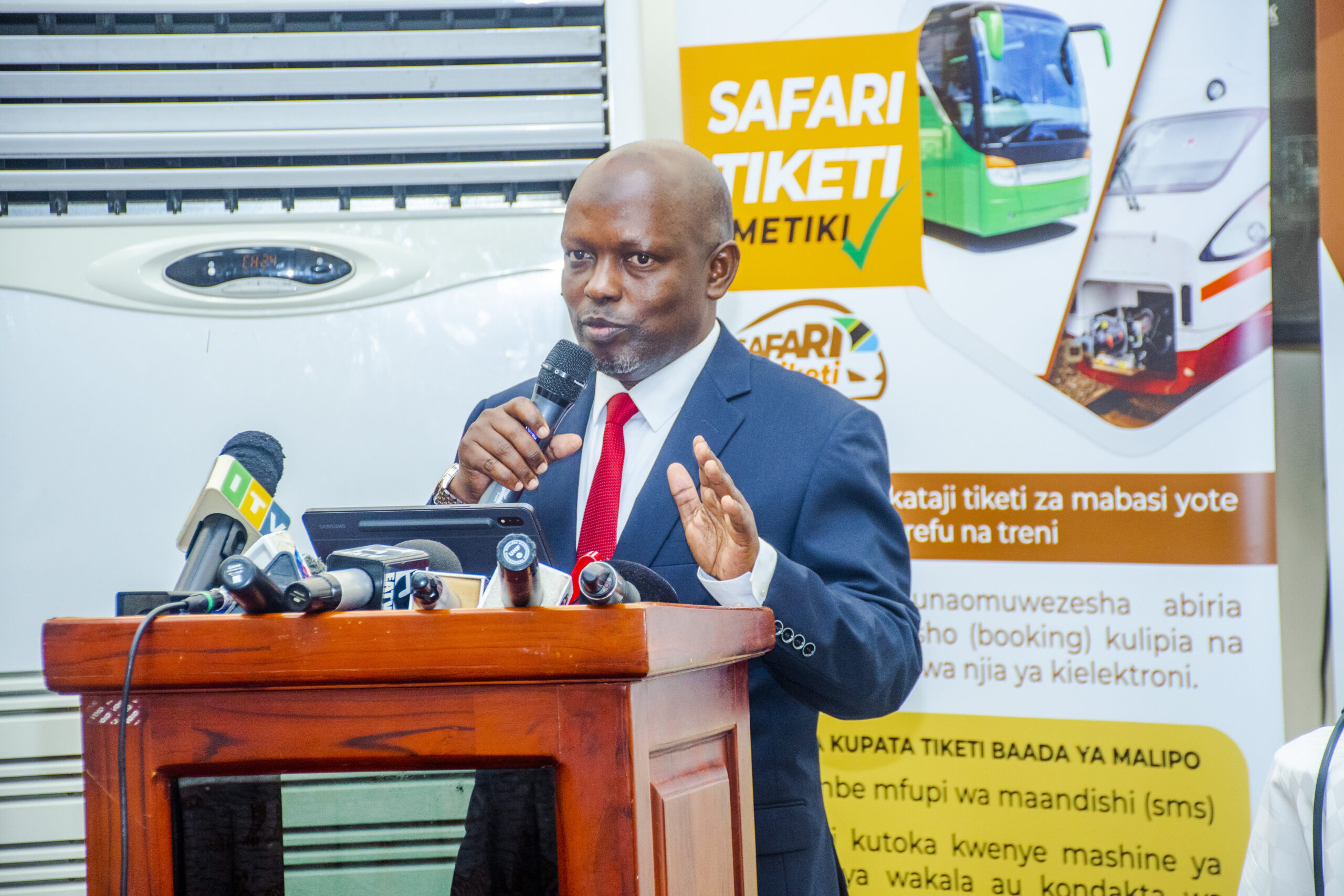
Dr Jamal Msami, Director of Strategic Research at REPOA, said fiscal interventions supporting local edible oil production and industrial protection could stimulate investment and encourage value addition within the country.
“Measures that promote local production and processing are likely to strengthen industries, support farmers and create employment opportunities,” he said.
However, Dr Msami cautioned that growth-oriented measures should be complemented by stronger social protection mechanisms to shield households from rising living costs.
While support for the industrial agenda has been widespread, Parliament’s Budget Committee has raised questions about the government’s ability to implement expenditure-control measures effectively.
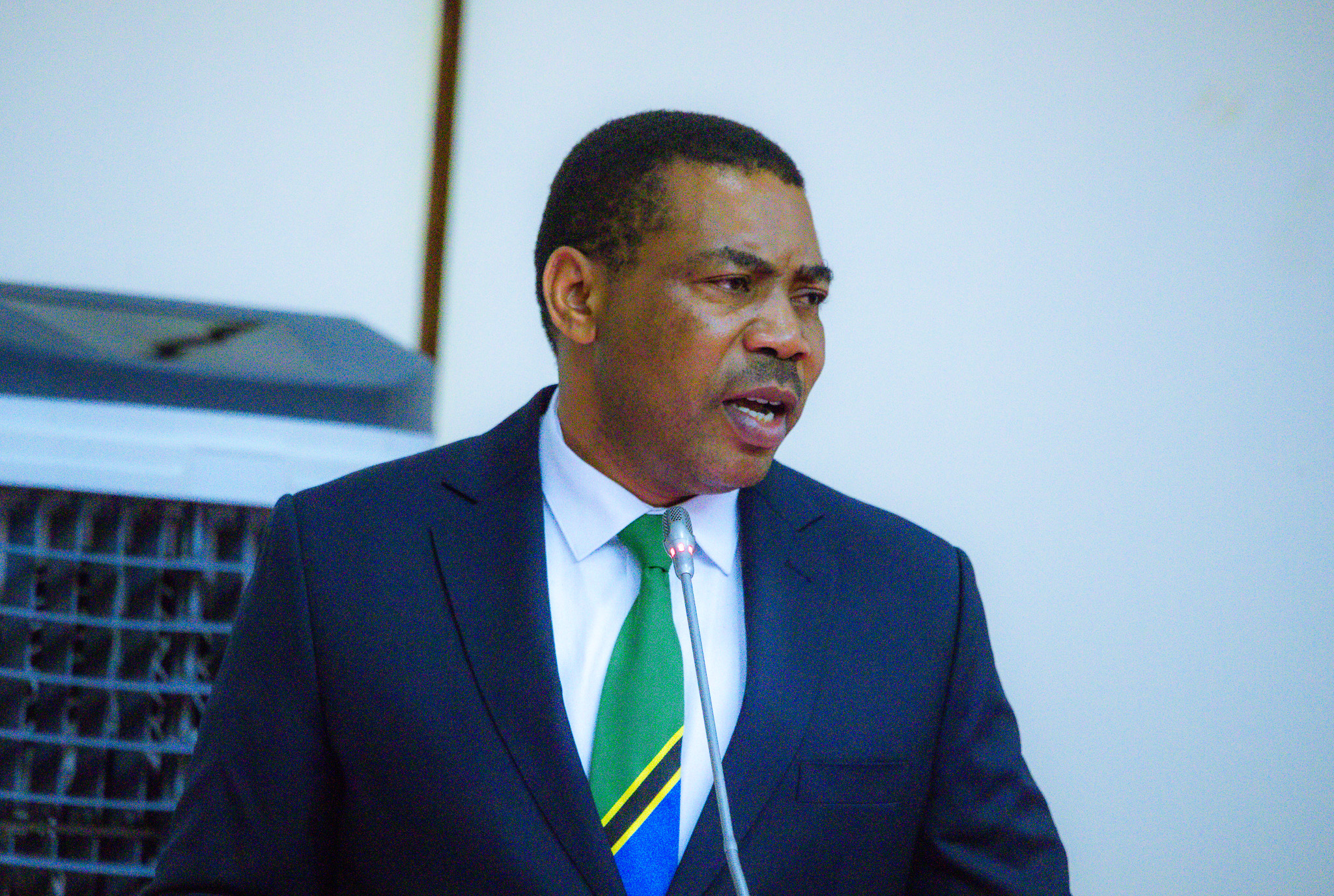
Committee chairman Mashimba Ndaki told Parliament on Monday June 15, 2026 that many of the proposed cost-cutting initiatives have appeared in previous budgets but have not always been fully executed.
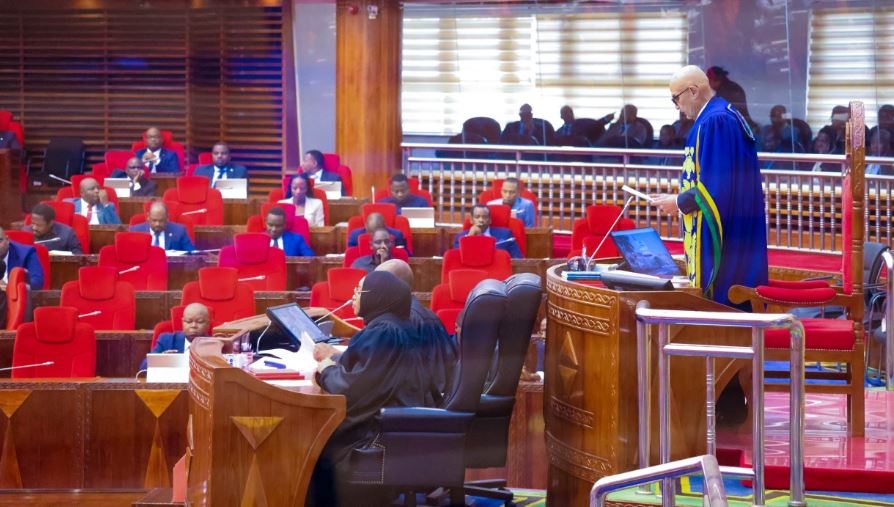
The committee therefore urged the government to strengthen monitoring and enforcement mechanisms to ensure intended savings are realised.
Lawmakers also expressed concern about the country’s debt trajectory.
Although Tanzania’s debt remains within sustainability thresholds, the committee noted that several indicators are gradually moving closer to their limits.
According to the committee, the increasing debt burden underscores the importance of directing borrowed funds towards productive investments capable of generating economic returns and strengthening the revenue base.
“Borrowing should continue to support projects that expand economic activity and enhance the country’s capacity to generate future income,” Mr Ndaki said.
The committee further questioned the continued reliance on borrowing to finance budget deficits and highlighted weaknesses in project preparation that have contributed to cost overruns and requests for additional financing.
Agriculture stakeholders offered a similarly balanced assessment of the budget.
Robert Koech, Finance Director of SeedCo Tanzania, said the budget reaffirms agriculture’s importance to economic growth but noted that producers continue to face significant cost pressures.
Rising fuel and fertiliser prices, changes in subsidy arrangements and higher operational costs have increased financial burdens on farmers and agricultural businesses.
According to industry players, additional support may be required to stimulate investment in irrigation, mechanisation, research and improved seed production.
Nevertheless, stakeholders welcomed measures aimed at reducing business costs and encouraging reinvestment, arguing that such incentives could strengthen productivity and long-term sector growth.
The transport and logistics industry also welcomed several proposals intended to improve the business environment.
Industry representatives praised the retention of VAT deferment on imported capital goods and reforms aimed at accelerating VAT refunds, saying the measures would improve cash flow and support investment.
At the same time, transport operators expressed concern over the proposed Industrial Development Levy on imported trailers, warning that it could raise operating costs and eventually increase logistics expenses across the economy.
Tax specialists largely supported reforms designed to improve revenue administration and reduce losses.
Among the notable proposals is a plan to allow faster disposal of seized perishable goods.
Analysts say the measure could help preserve value and protect government revenue by preventing spoilage.
However, experts from KPMG caution that effective implementation will require transparent procedures, proper valuation mechanisms and safeguards to protect taxpayer rights, particularly where goods are sold through private arrangements rather than public auctions.
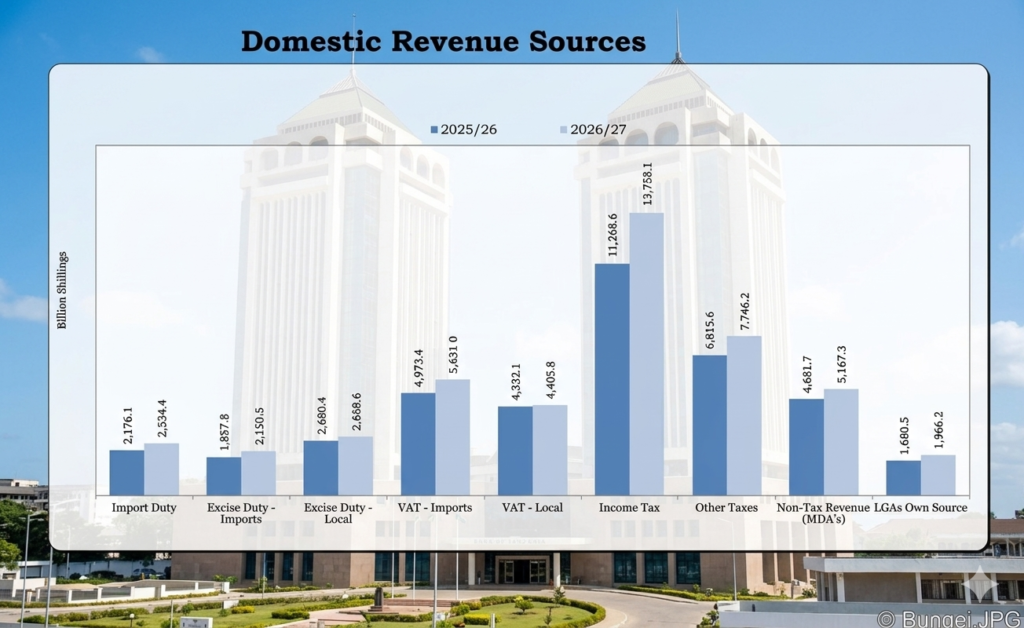
Despite differing views on specific measures, stakeholders broadly agree that the budget reflects a clear commitment to economic transformation through industrialisation, investment and private-sector growth.
The challenge, they say, lies not in the ambition of the proposals but in their execution.
As Tanzania pursues its industrialisation agenda, analysts contend that maintaining debt sustainability, strengthening domestic revenue mobilisation and ensuring the benefits of growth reach ordinary citizens will be critical to determining whether the 2026/27 budget achieves its objectives.
For many observers, the budget presents a promising roadmap for economic expansion. Yet its ultimate success will depend on disciplined implementation, prudent fiscal management and the government’s ability to balance growth ambitions with the welfare of Tanzanians.