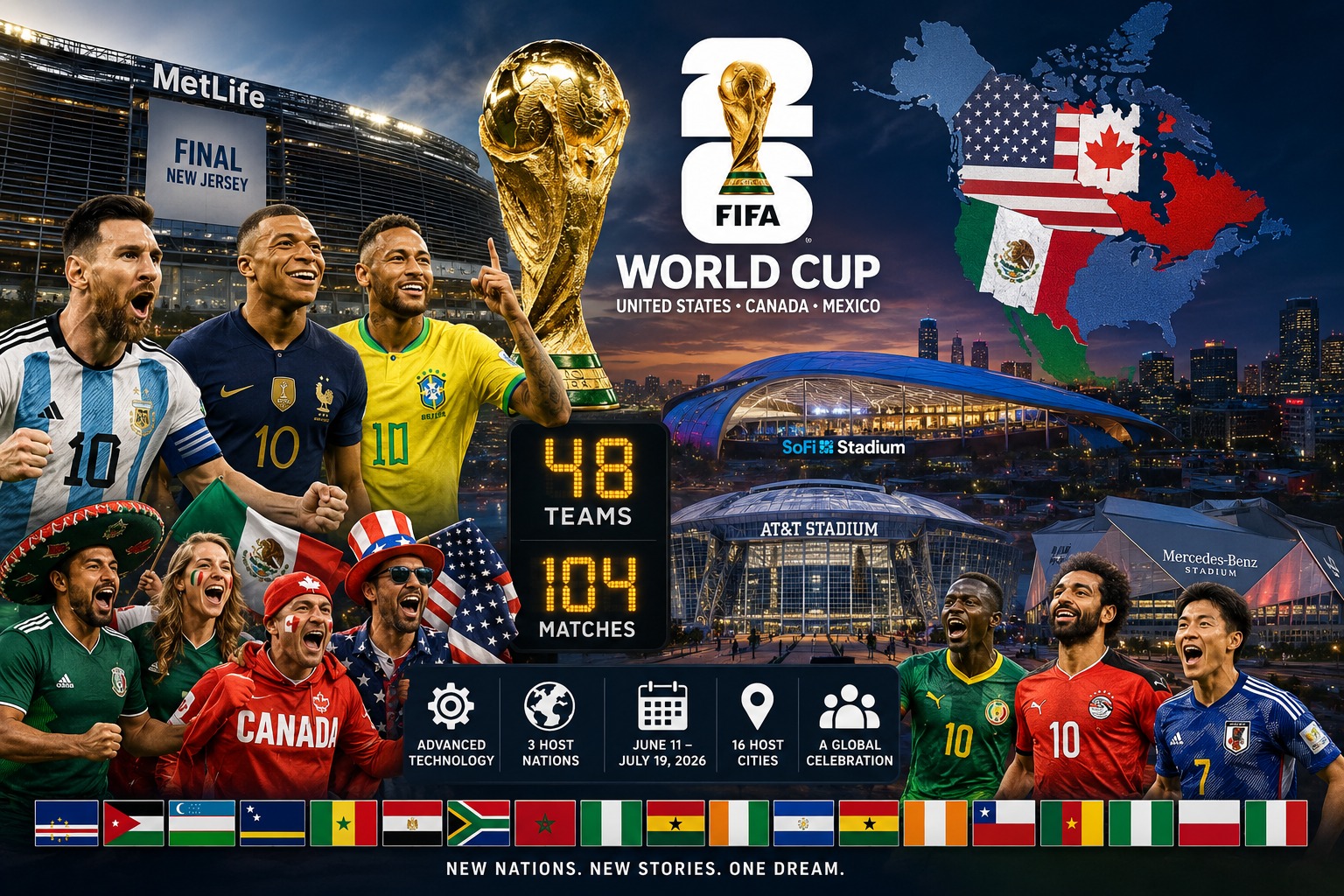

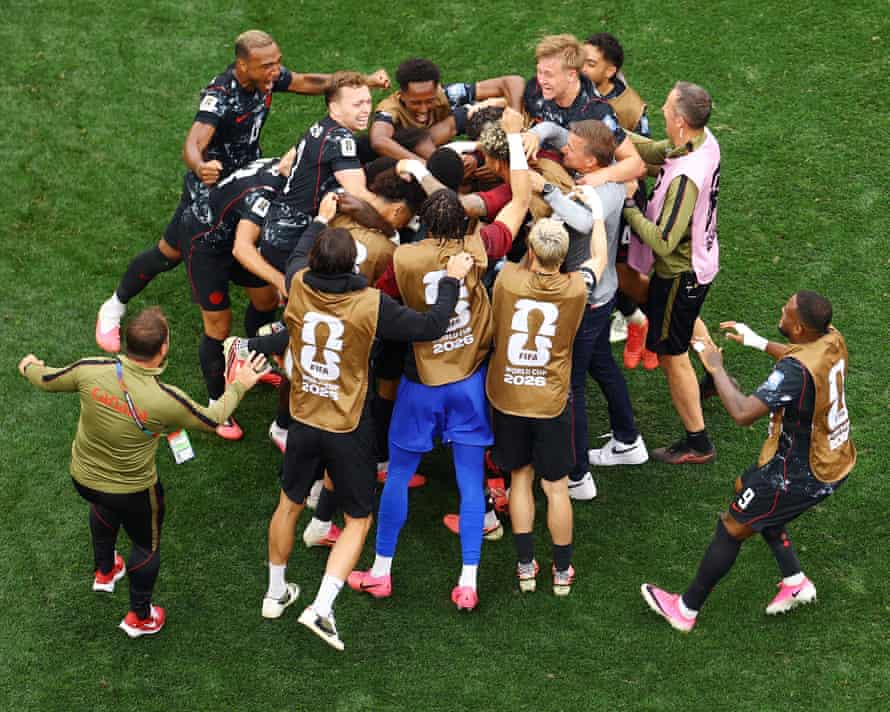
The expanded 48-team format was always expected to reshape the FIFA World Cup.
It has done precisely that. Yet as the tournament enters the quarter-finals, one truth has become clear.
Quality has ultimately prevailed. The remaining eight teams have survived not only stronger opposition but also greater physical and mental demands than any previous World Cup.
The last eight comprise France, Morocco, Spain, Belgium, Norway, England, Argentina and Switzerland.
It is a compelling blend of traditional powers, emerging challengers and one or two genuine surprises.
Perhaps the greatest success story belongs to Morocco.
Four years after becoming the first African nation to reach a World Cup semi-final, Morocco have demonstrated that their previous achievement was no accident.
Their disciplined defending has again frustrated opponents, while their swift transitions have punished every mistake.
A convincing victory over the Netherlands followed by another commanding display against Canada has confirmed their growing maturity.
Norway have produced an equally impressive campaign.
They eliminated Brazil in one of the tournament’s biggest shocks.
The Scandinavian side have shown tactical discipline, physical strength and remarkable belief.
Their progress illustrates the growing competitiveness of European football beyond its traditional elite.
France remain among the favourites.
They have balanced experience with youthful energy.
Their squad depth has allowed them to rotate without sacrificing quality. Few teams have controlled matches as consistently. They continue to look like champions in waiting.
Spain have perhaps played the tournament’s most attractive football.
Their possession-based approach has regained its cutting edge. More importantly, they have added greater attacking purpose.
Their victory over Portugal demonstrated both technical superiority and defensive organisation.
Belgium appear rejuvenated. Questions surrounding their so-called golden generation have faded.
The current squad combines established leaders with energetic younger players.
Their emphatic victory over the United States highlighted both clinical finishing and tactical flexibility.
England continue to divide opinion despite reaching another major quarter-final.
They have not always produced sparkling football. Yet tournament football has never been solely about entertainment.
England have repeatedly found solutions when placed under pressure.
That resilience could prove invaluable during the decisive stages.
Argentina remain dangerous. The South Americans continue to thrive in high-pressure matches.
Their attacking quality remains among the tournament’s finest.
However, defensive lapses have occasionally exposed vulnerabilities that stronger opponents may exploit.
Switzerland deserve enormous credit for their progress.
Their penalty shoot-out victory over Colombia reflected their composure and organisation. They rarely dominate headlines.
They consistently frustrate more glamorous opponents.
The quarter-finals present four fascinating contests.
France against Morocco is a clash between tournament experience and disciplined resilience.
Morocco will seek to restrict space and strike on the counter-attack.
France possess greater attacking variety but cannot afford complacency.
Spain against Belgium may produce the highest technical quality of the round. Spain will dominate possession.
Belgium will attempt to exploit transitions with pace and directness.
Small tactical adjustments may determine the outcome.
Norway versus England promises an intense physical contest.
Norway have already demonstrated they fear nobody. England possess greater tournament experience.
Set-pieces and defensive concentration could become decisive.
Argentina against Switzerland offers a classic contrast of styles.
Argentina prefer attacking freedom. Switzerland rely on structure, patience and discipline.
If Switzerland disrupt Argentina’s rhythm, another upset cannot be ruled out.
Several broader themes have emerged throughout the competition.
Defensive organisation has become increasingly important. Pressing systems are more sophisticated.
Set-pieces continue to decide tight matches. Margins between victory and defeat have become remarkably small.
The expanded format has also given emerging nations greater exposure without significantly reducing the quality of the knockout rounds.
Several traditional powers have already departed, while ambitious challengers have seized their opportunity.
The race for the trophy is now entering its defining chapter. Every remaining nation believes history is within reach.
Every mistake will carry greater consequences. Every moment could become part of World Cup folklore.
That is precisely why the FIFA World Cup remains football’s greatest stage.
As the quarter-finals begin, the tournament has delivered drama, shocks and outstanding football. The finest chapters may still lie ahead.