

Dar es Salaam. The National Social Security Fund (NSSF) has announced a seven-month waiver on penalties for employers with outstanding social security contribution arrears, in a move aimed at improving compliance with the law and protecting workers’ social security rights.
The waiver runs from June 1 to December 31, 2026, and covers penalties arising from delayed contribution payments.
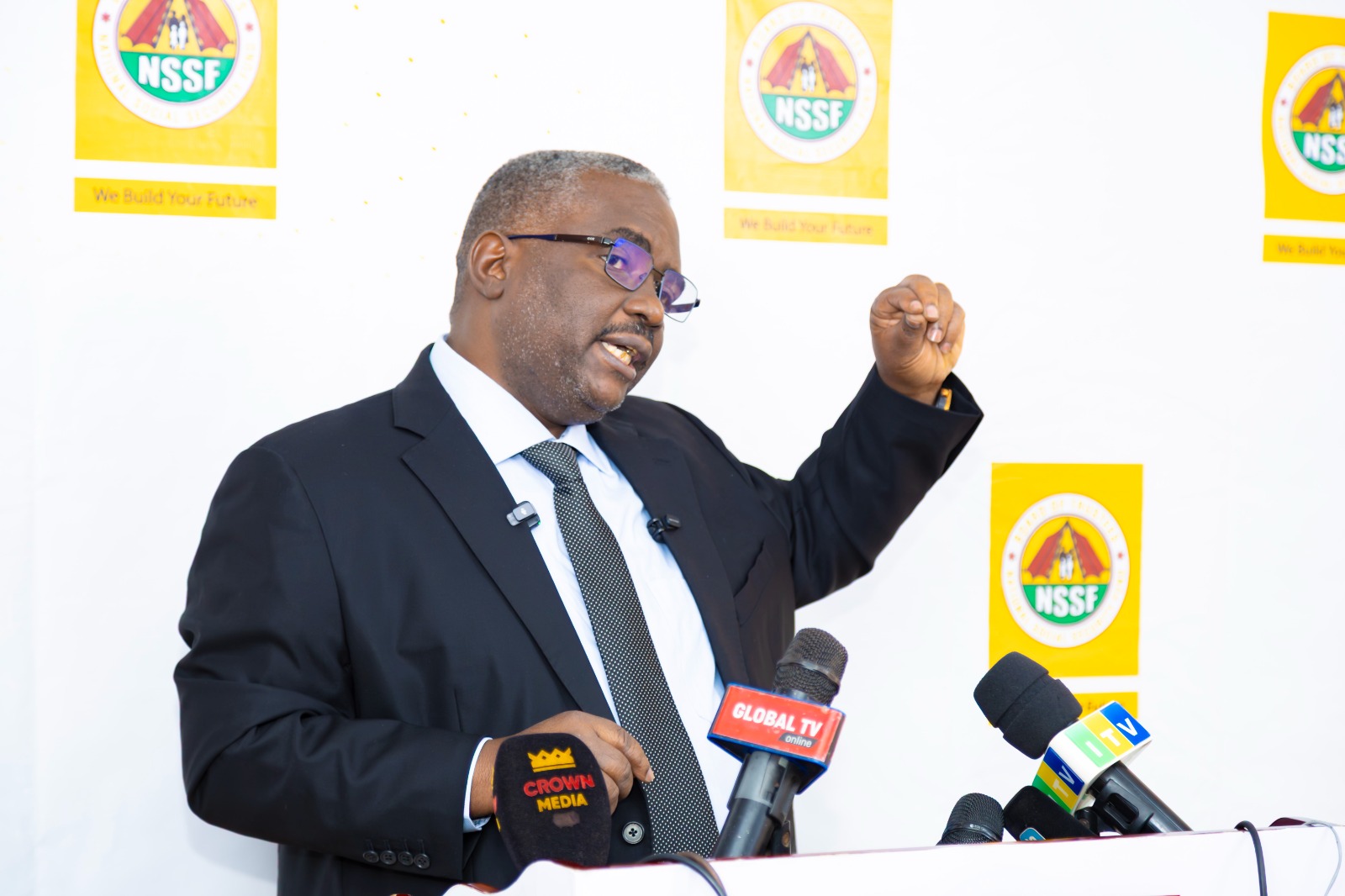
Speaking at a press briefing on July 17, 2026, NSSF Director General Masha Mshomba said the initiative would ease the financial burden on employers while encouraging them to settle outstanding principal contributions and maintain regular monthly payments.
He said the waiver is divided into four categories based on when employers clear their outstanding principal contributions.
Employers who pay all outstanding principal contributions between June 1 and August 31, 2026, and continue paying monthly contributions from September to December, will receive a 100 percent waiver on penalties.
Those who settle their principal contributions between September 1 and October 31 will qualify for a 75 percent waiver, while employers paying between November 1 and December 31 will receive a 50 percent waiver.
The fourth category targets employers who had already cleared their principal contribution arrears before the waiver was announced but still owed penalties.
They will qualify for a 100 percent waiver if they continue making monthly contributions from June through December.
Mr Mshomba said such waivers are exceptional and were last offered in 2024 following approval by the minister responsible for social security under the NSSF Act.
He said more than 6,000 employers had already cleared their outstanding principal contributions since the waiver began on June 1 to qualify for the full penalty exemption.
The Fund has also collected more than Sh46 billion within the short period since the programme was launched.
“The response has been encouraging. We believe more employers will use the first window to benefit from the 100 percent penalty waiver,” he said.
He urged employers to take advantage of the June-August window, saying it provides the greatest financial relief and enables businesses to redirect funds that would otherwise be spent on penalties into productive investments.
Mr Mshomba reminded employers that those who miss the first deadline can still qualify for a 75 percent waiver between September and October, or a 50 percent waiver between November and December.
He stressed that timely payment of contributions safeguards workers’ rights and strengthens compliance with social security laws.
The NSSF chief also highlighted the Fund’s growth under the Sixth Phase Government.
He said the Fund’s assets had increased from about Sh4.8 trillion in March 2021 to Sh11.6 trillion by June 2026, attributing the growth to an improved business environment that has expanded the number of employers, investors and members.
He said NSSF has continued to improve service delivery through digital technology, enabling employers to register workers and submit contributions online, while members can access their accounts through mobile phones.
Retirees can also complete life verification remotely without visiting NSSF offices.
Mr Mshomba said the Fund now processes benefit payments within 20 days, compared with the statutory limit of 60 days, with a long-term goal of paying benefits within a single day once all requirements are met.
He noted that delays in benefit payments are often caused by employers failing to submit contributions on time.
The Director General said NSSF continues to invest in projects that support economic growth, citing the Mkulazi Sugar Factory, which has created more than 10,000 jobs.
He also encouraged self-employed Tanzanians to join the Fund’s Hifadhi Scheme, which allows members to contribute according to their income on a daily, weekly, monthly or seasonal basis.
The minimum monthly contribution is Sh30,000, while members seeking health insurance cover for themselves, their spouses and up to four children contribute Sh52,200 a month.
Mr Mshomba said the scheme provides access to benefits including medical care, maternity, disability, old-age pension and survivors’ pensions.
He urged employers with outstanding contributions to take advantage of the waiver before December 31, 2026, saying the opportunity would reduce debt burdens, improve legal compliance, protect workers’ rights and strengthen Tanzania’s social security system.