
Dar es Salaam. Tanzania’s private sector has been urged to take a leading role in achieving the country’s ambition of becoming a $1 trillion economy by 2050, with business leaders calling for higher investment, innovation and stronger public-private collaboration.
The call was made during a strategic dialogue organised by the CEO Roundtable of Tanzania (CEOrt), where the business organisation unveiled its five-year strategy after completing its 2022–2025 Strategic Plan.
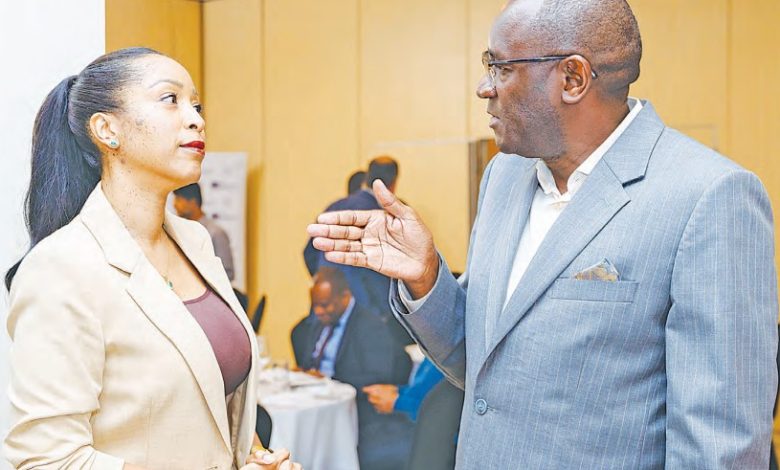
Speaking at the event, CEOrt Executive Director Ms Santina Benson said Tanzania’s Vision 2050 assigns the private sector a central role in driving economic transformation, with businesses expected to contribute about 70 per cent of the country’s long-term growth.
“There have been many bold statements about the private sector contributing 70 per cent to Tanzania’s economy by 2050 and helping build a $1 trillion economy,” she said.
“The real question is whether we fully understand what it will take to achieve that ambition and what is expected from all of us.”
Ms Benson said businesses must move beyond commitments by increasing productive investment, supporting reforms that improve the business environment and adopting responsible business practices that promote sustainable growth.
She said CEOrt’s new strategy focuses on six priorities.
They include strengthening policy engagement, delivering greater value to members, promoting responsible corporate leadership and expanding economic opportunities for women and young people.
Entrepreneur and Kaypee Motors founder Mr Ali Masoud, popularly known as Kipanya, said Tanzania must create conditions that enable its citizens to succeed at home instead of seeking opportunities abroad.
He said countries across the world are competing for investment and skilled workers, making it essential for Tanzania to strengthen institutions, improve public services and encourage innovation.
“When Tanzanians leave in search of opportunities elsewhere, it challenges us to ask why,” Mr Masoud said.
“If other countries offer better systems and greater opportunities, what must we do differently to make Tanzania a place where our people can thrive?”
He said the private sector should measure success not only by profit but also by its contribution to improving people’s livelihoods.
CEOrt board director Mr David Nchimbi said the new strategy builds on achievements recorded under the previous plan while positioning the organisation to play a bigger role in advancing Tanzania’s long-term development agenda.
He said the dialogue gave members and stakeholders an opportunity to review progress, exchange ideas and set priorities for the next five years.
It also reaffirmed CEOrt’s commitment to strengthening public-private dialogue and promoting responsible business leadership as the country implements Vision 2050.