
Dodoma. For decades, Tanzania’s mining sector has been defined predominantly by metallic minerals and precious gemstones, such as gold, diamonds, and tanzanite.
In recent years, critical and strategic minerals, including graphite and rare earth elements, have also taken centre stage.
Yet, beneath the country’s volcanic landscapes lies another resource capable of reshaping the national industrial sector: pozzolana.
Pozzolana is an industrial mineral derived from volcanic ash containing high proportions of silica and alumina.
When finely ground and combined with lime and water, it forms chemical compounds with strong binding properties.
This makes it an essential raw material for producing high-strength, durable cement and concrete.
The term “pozzolana” originates from Pozzuoli, Italy, where ancient Romans utilised volcanic ash to construct aqueducts, harbours, and monuments that have endured for millennia.
Today, the mineral has gained renewed global significance due to its critical role in manufacturing environmentally friendly, low-carbon cement.
Tanzania’s unique geological profile, shaped by extensive historical volcanic activity, has endowed the nation with vast pozzolana deposits.
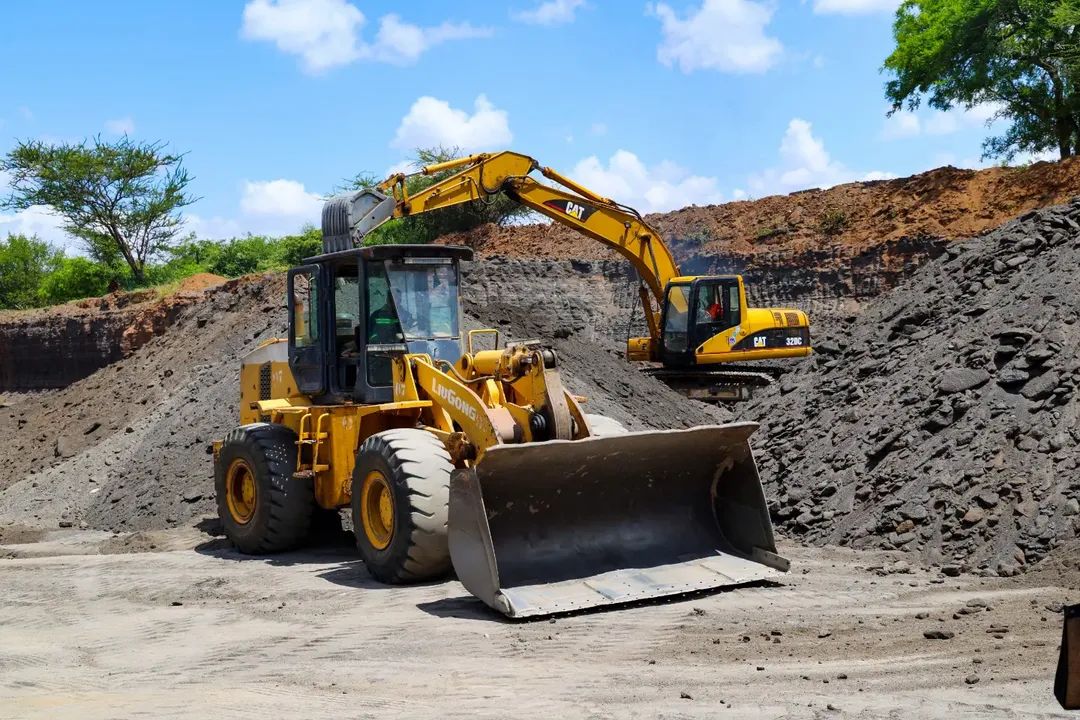
Beyond active mining operations in the Rombo District of the Kilimanjaro Region, substantial reserves are located across the Rungwe volcanic zone in Mbeya and Songwe, as well as areas of Arusha and Manyara situated along the East African Rift Valley.
In the Holili Ward of Rombo District, small-scale pozzolana miners and volcanic stone cutters already play a pivotal role in driving local economic growth.
These operations generate employment, stimulate trade, and contribute significantly to local government revenues.
As Tanzania expands its industrial base, unlocking the full potential of these volcanic deposits presents a compelling opportunity to enhance local supply chains and build a more sustainable cement industry.