
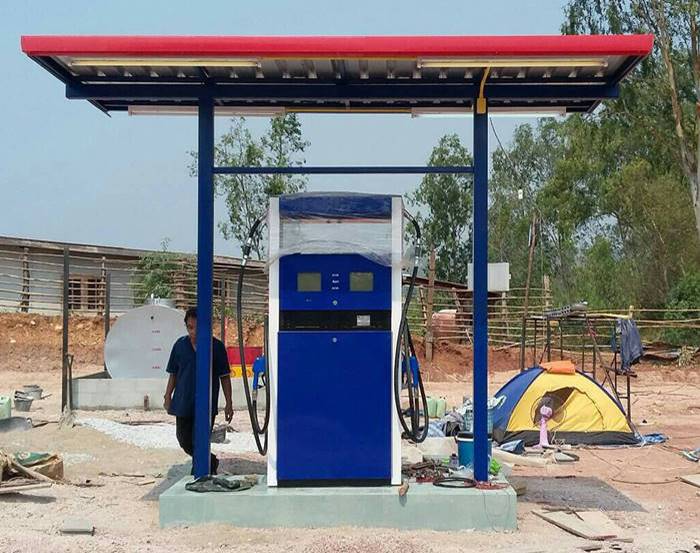
Dar es Salaam. The Tanzanian government has launched a concessional loan programme to support the construction of small-scale fuel stations in rural areas.
The initiative aims to improve access to petroleum products, enhance safety and stimulate economic activity outside urban centres.
The project is being implemented by the Rural Energy Agency (REA) in partnership with Azania Bank.
It will provide affordable financing to small entrepreneurs to establish and operate petrol and diesel filling stations in underserved rural communities.
The first phase of the programme will allocate Sh1 billion to eight beneficiaries.
Loan agreements were signed during a ceremony held in Dar es Salaam.
Speaking at the event, the Permanent Secretary in the Ministry of Energy responsible for Petroleum and Gas, Dr James Mataragio, said the government was bringing fuel services closer to rural communities to address the long-standing challenge of residents travelling long distances to purchase fuel.
He said petroleum products were a key driver of economic development and social welfare.
The programme, he added, would help narrow the significant fuel price gap between urban and rural areas, where consumers in some locations had been forced to pay up to twice the prices charged in towns and cities.
Dr Mataragio said the establishment of licensed fuel stations would also improve public safety by reducing the widespread practice of storing and selling fuel in plastic bottles and other containers that do not meet safety standards.
He noted that the informal fuel trade had exposed communities to fire hazards and accidents, making the construction of compliant fuel outlets a priority for the government.
REA Director General Hassan Saidy said the agency was expanding its mandate after making substantial progress in rural electrification across the country.
He said REA was now opening a new chapter by supporting access to petroleum products in rural areas that had attracted little private investment because of commercial challenges.
The initiative is expected to improve the availability of fuel for households, farmers, transport operators and small businesses.
It is also intended to lower transport costs associated with obtaining fuel and support wider economic development in rural Tanzania.
The programme forms part of the government’s broader efforts to improve energy access and ensure rural communities benefit from reliable and safe energy services, while encouraging private sector participation in expanding essential infrastructure.