
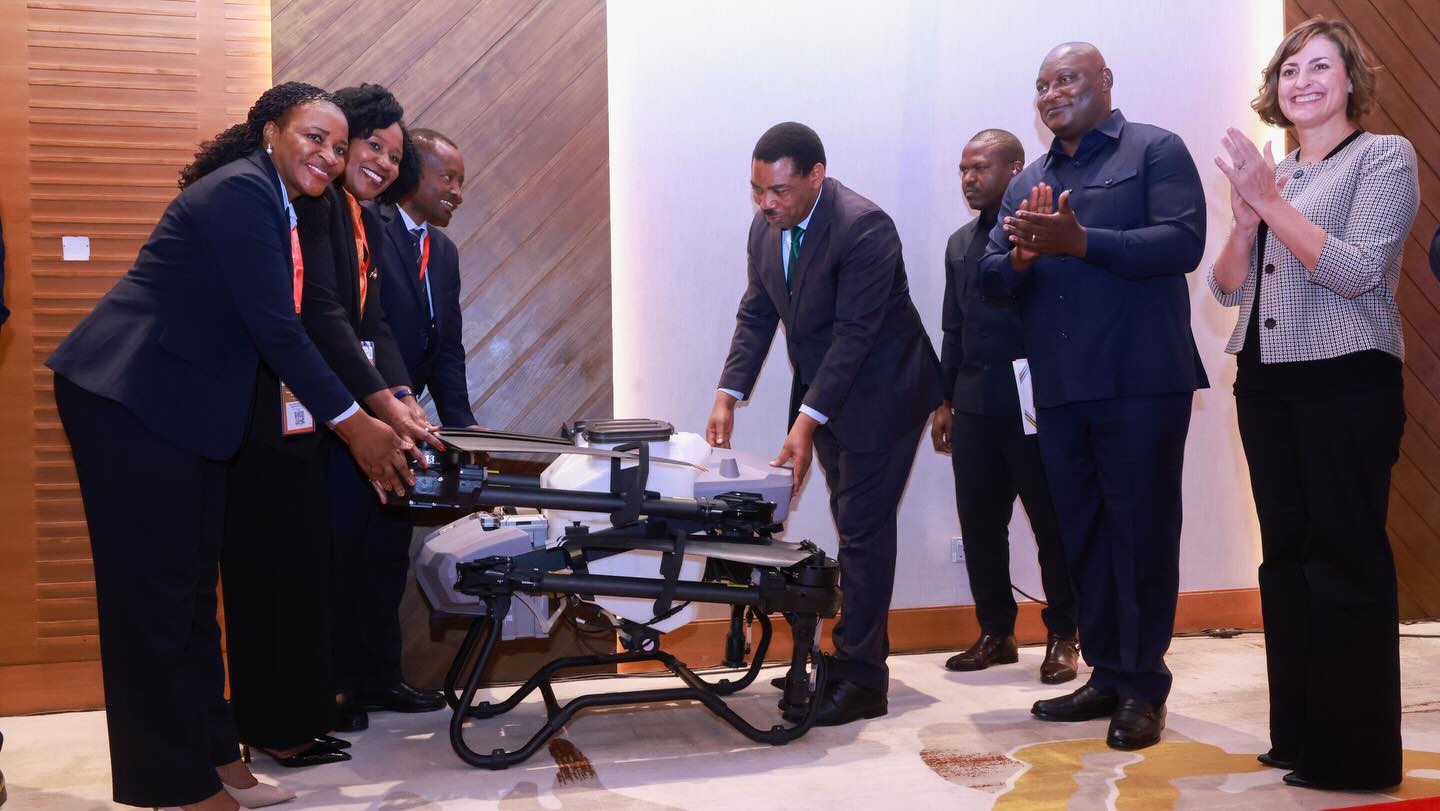
Dar es Salaam. Tanzania has taken a major step towards modernising its agricultural sector with the official launch of Unmanned Aerial Vehicles (UAVs) and plans to expand tractor-based mechanisation nationwide.
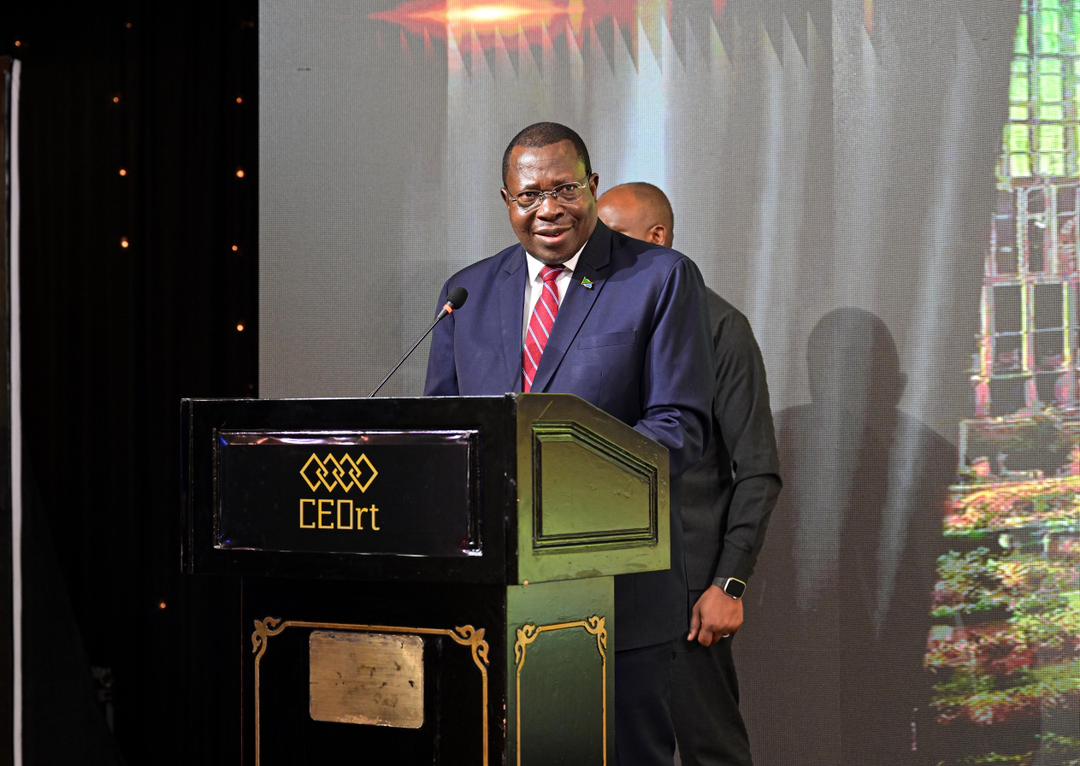
The launch was officiated by Prime Minister Dr Mwigulu Nchemba on February 3, 2026 during the opening of the African Conference on the Sustainable Use of Agricultural Machinery here in the city.
Addressing delegates, industry experts, and government officials, Dr Nchemba described the introduction of “ndege nyuki” (drone bees) as a strategic move to boost crop yields, reduce production costs, and strengthen food security by leveraging Fourth Industrial Revolution technologies.
The Prime Minister also revealed that the government plans to purchase 10,000 tractors and establish 1,000 integrated service centres at ward level.
These centres will provide farmers with access to agricultural machinery and related services, enabling them to increase efficiency, reduce labour burdens, and dedicate more time to other economic activities.
Dr Nchemba highlighted the importance of investing in environmentally friendly and climate-resilient tools.
“These technologies should reduce labour intensity, increase productivity, minimise crop losses, and at the same time protect the environment by using methods resilient to climate shocks such as drought and changing seasons,” he said.
He further stressed the need for active private sector participation in the production, distribution, and service provision of agricultural tools, noting that policy, regulatory incentives, and supportive investment environments are essential to enhance access and reduce costs for farmers.
The Prime Minister underscored the role of youth and women, describing them as vital drivers of innovation and rapid transformation in agriculture. “Empowering these groups is fundamental to inclusive and sustainable development,” he said, adding that such empowerment should be measured through job creation, establishment of sustainable enterprises, and participation of youth and women in agricultural value chains.
Providing technical insight into the drone technology, the Director of Agricultural Machinery at the Ministry of Agriculture, Anna Mwangamilo, explained that the UAVs are designed for high-efficiency spraying.
Each drone can cover up to 3.5 acres in just ten minutes, with a versatile 60-litre tank capable of carrying liquid fertilisers, pesticides, or up to 60 kilograms of dry materials.
The drones operate with a precision width of eight metres, which is expected to significantly improve pest and disease management, reduce manual labour, and limit farmers’ exposure to chemicals.
To ensure effective deployment, the drones have been handed over to key institutions, including the Tanzania Agricultural Research Institute (TARI), the Cashew Board of Tanzania, and the Cereals and Other Produce Regulatory Authority (COPRA).
These bodies, in collaboration with the Ministry’s Department of Agricultural Machinery, will oversee training and integration of drones into daily agricultural operations.
The conference itself aims to lay the foundation for regional collaboration in advancing the Sustainable Agricultural Machinery Agenda across Africa.
Dr Nchemba called on all stakeholders to support innovation, provide technical expertise, and create opportunities for the private sector to fully participate in modernising agriculture.