
Dar es Salaam. Tanzania is seeking China’s expertise in transforming state-owned enterprises (SOEs) as part of the government’s broader strategy to improve efficiency, profitability, and accountability in public investments.
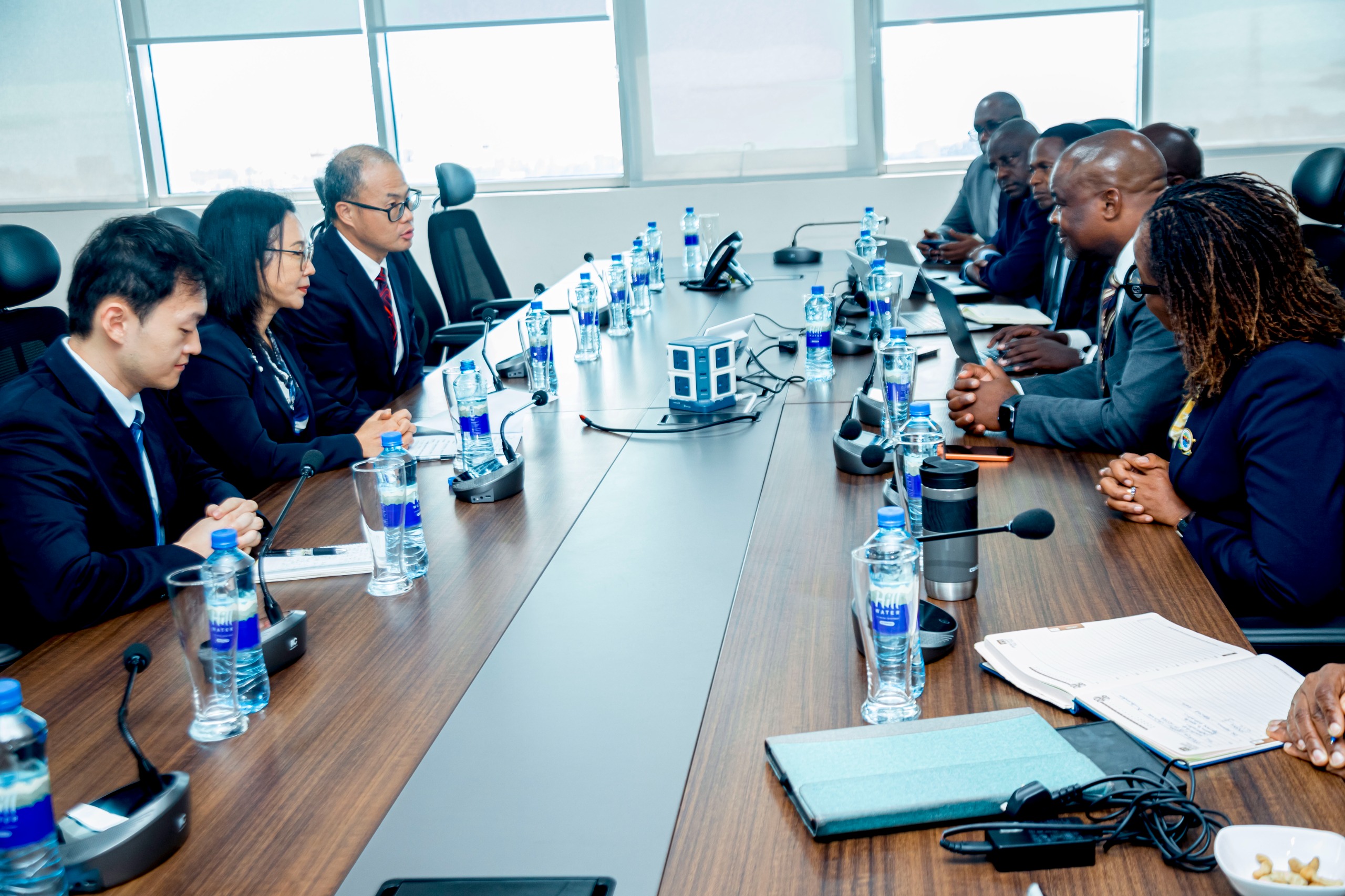
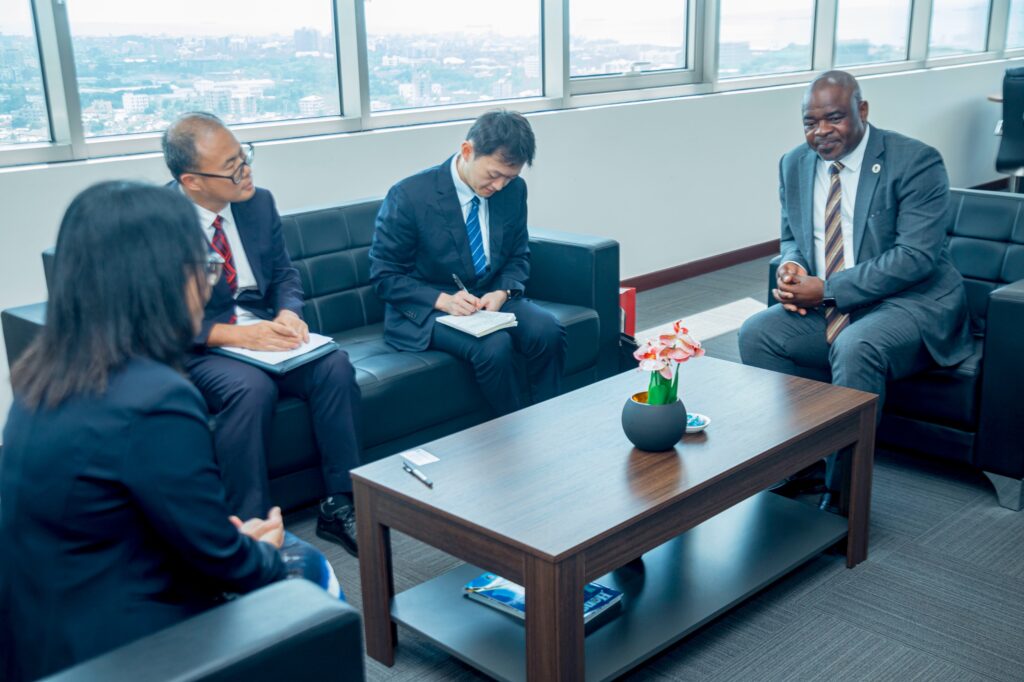
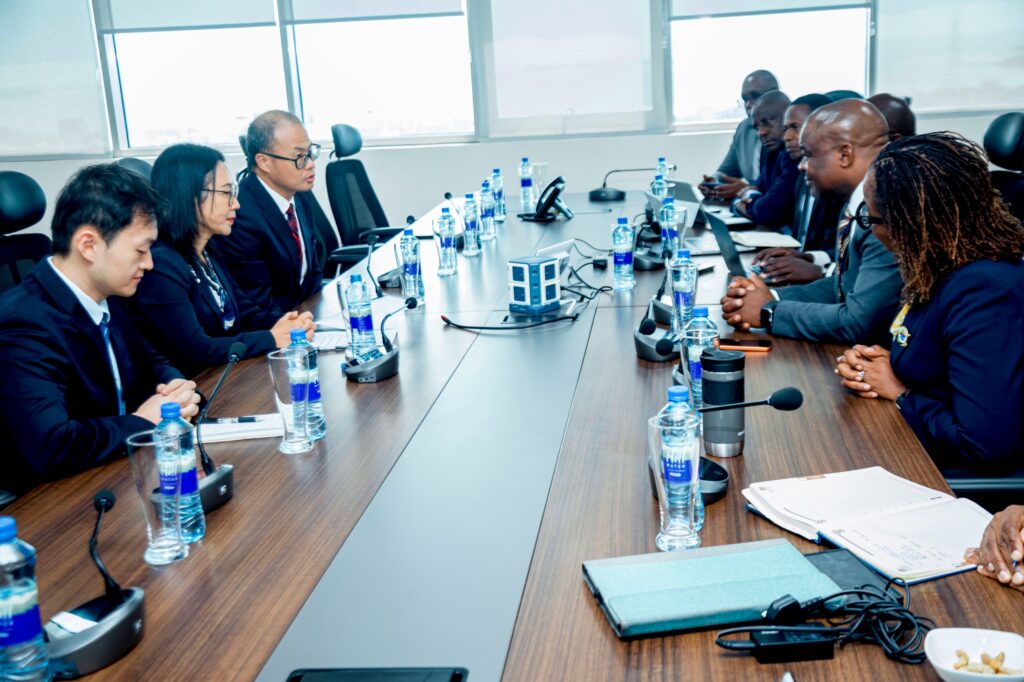
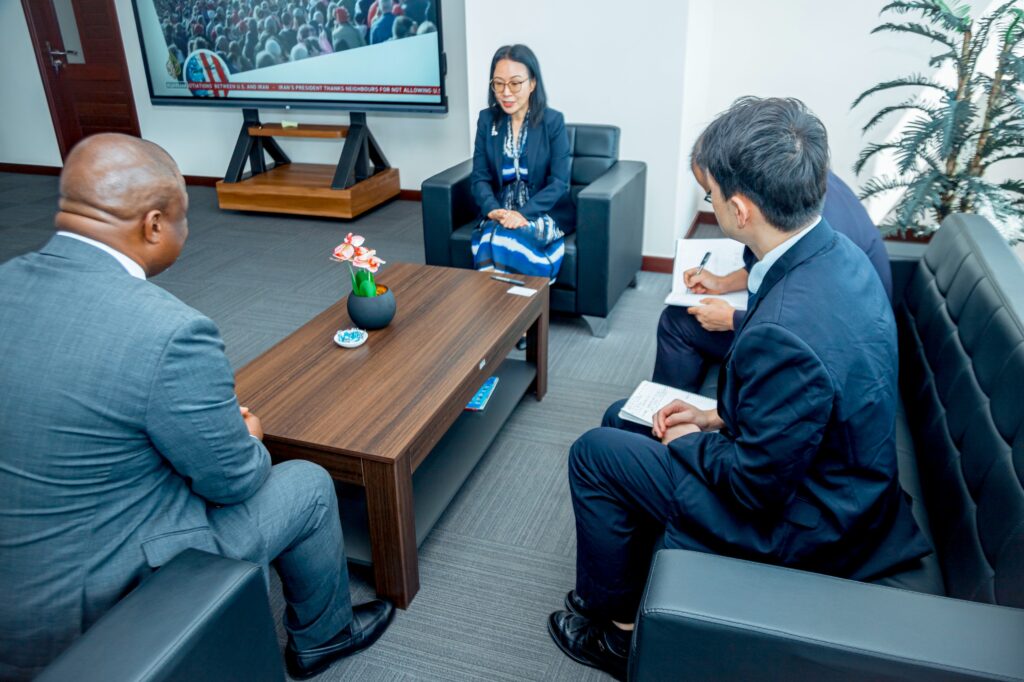
The move was highlighted on Monday, May 18, 2026, during a visit by Chinese Ambassador to Tanzania Chen Mingjian and her delegation to the Office of the Treasury Registrar (OTR) in Dar es Salaam, where they held talks with the management team led by Treasury Registrar Nehemiah Mchechu on investment, infrastructure development, technology transfer, and strategic cooperation.
Speaking during the meeting, Mr Mchechu said Tanzania was keen to learn from China’s successful model of managing and transforming state-owned enterprises through the State-owned Assets Supervision and Administration Commission of the State Council (SASAC).
He noted that the OTR is a strategic institution mandated to oversee government investments, making close cooperation with Chinese institutions important, particularly in areas related to public enterprise management, strategic investments, and implementation of major development projects.
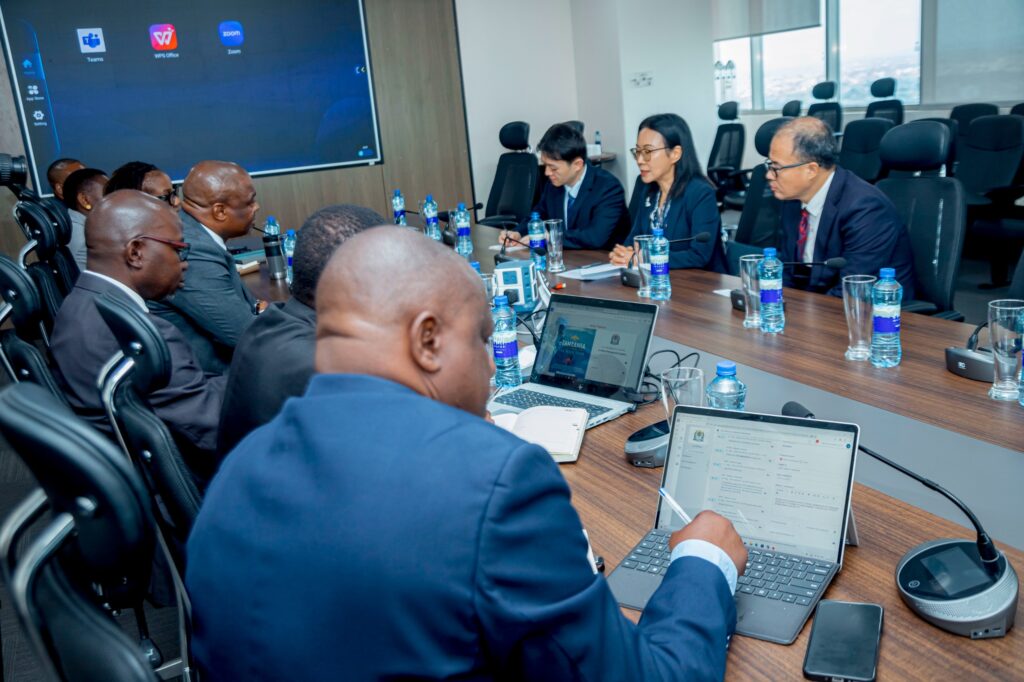
“As we reform our institutions, we want to learn from countries that have successfully walked this path. China remains one of the best examples globally in transforming state-owned enterprises,” he underscored.
Mr Mchechu said some institutions under the OTR already maintain strong cooperation with Chinese entities, further underscoring the importance of strengthening ties between the two sides.
The Treasury Registrar said the OTR currently oversees 308 companies and institutions in which the government has investments, including 252 entities where the State holds majority shares.
According to him, the government’s investment portfolio spans strategic sectors such as aviation, energy, oil and gas, mining, transport, and infrastructure.
He said the government was implementing reforms aimed at reducing dependence on subsidies, increasing dividend contributions to the Government Consolidated Fund, strengthening institutional accountability, and granting more operational autonomy to public entities.
“Even if we want the economy to be driven by the private sector, an inefficient public sector will continue to be an obstacle to private sector growth,” insisted Mr Mchechu.
He also highlighted ongoing cooperation between Tanzania and China in strategic projects, including maritime transport, mining, and port operations.
Mr Mchechu further thanked the Chinese government for continuing to provide training opportunities for OTR staff, revealing that six officers benefited from training programmes last year, while three to four others are expected to receive similar training this year.
He said the programmes have come at the right time and are playing an important role in strengthening the capacity of public servants.
On her part, Ambassador Mingjian noted that Tanzania and China have enjoyed a long-standing relationship built on mutual trust and cooperation, citing President Samia Suluhu Hassan’s 2022 visit to China as part of efforts to strengthen strategic ties between the two countries.
She said China was ready to share its experience in economic reforms and institutional transformation with Tanzania.
She noted that China’s Reform and Opening-up policy, launched in 1978, had transformed the country’s economy despite significant challenges during the early years of implementation.
“We are fully prepared to share these institutional experiences with our Tanzanian brothers and sisters,” she said.
The envoy added that China remained committed to supporting Tanzania’s industrialisation agenda through trade, infrastructure development, technology cooperation, and capacity building.
She said the Chinese government would continue providing training opportunities for Tanzanian public servants in areas such as digital transformation, governance, and economic management.
The meeting also discussed plans to strengthen cooperation in mineral value addition, with Tanzania seeking to establish local smelting and mineral processing industries for strategic minerals.
The two sides further exchanged views on the future of the Tanzania-Zambia Railway Authority (TAZARA), which marks 50 years of commercial operations this year.