
Dar es Salaam. Tanzania and Singapore have agreed to deepen economic, trade and investment cooperation as the two countries seek to unlock new opportunities for growth, strengthen development partnerships and enhance economic benefits for their citizens.
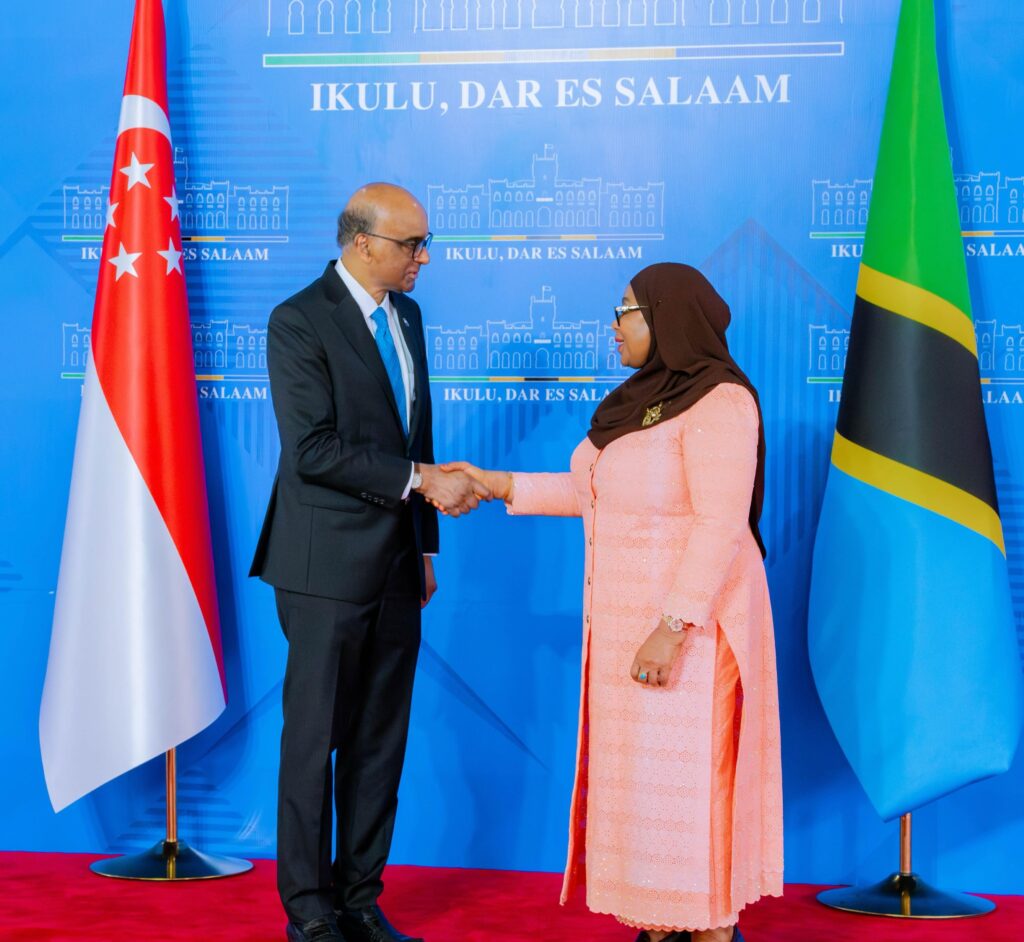
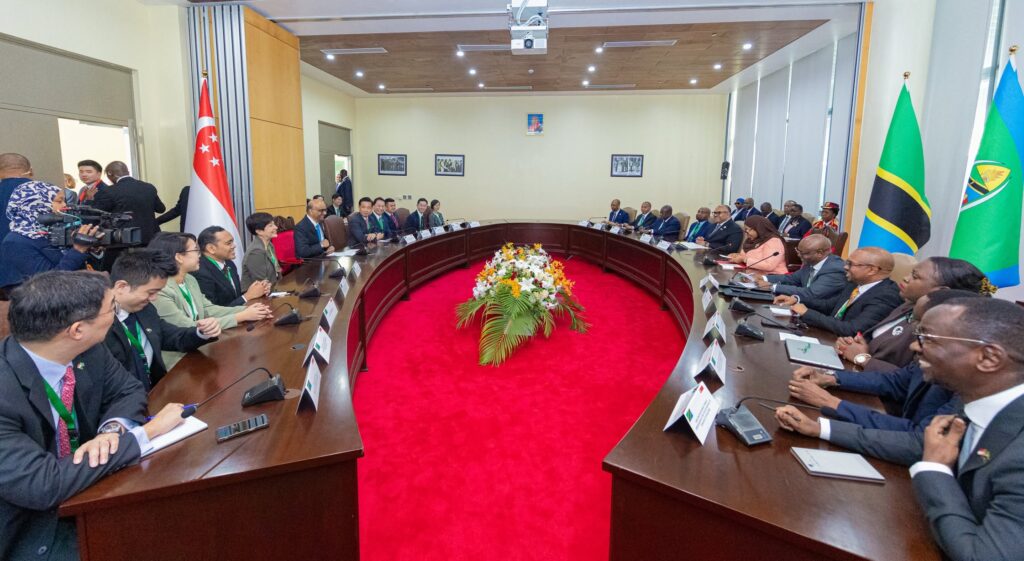
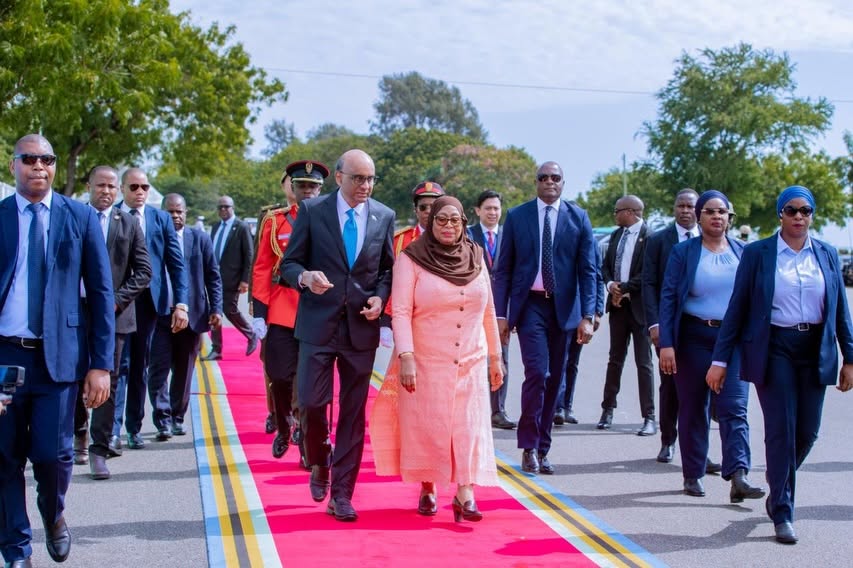
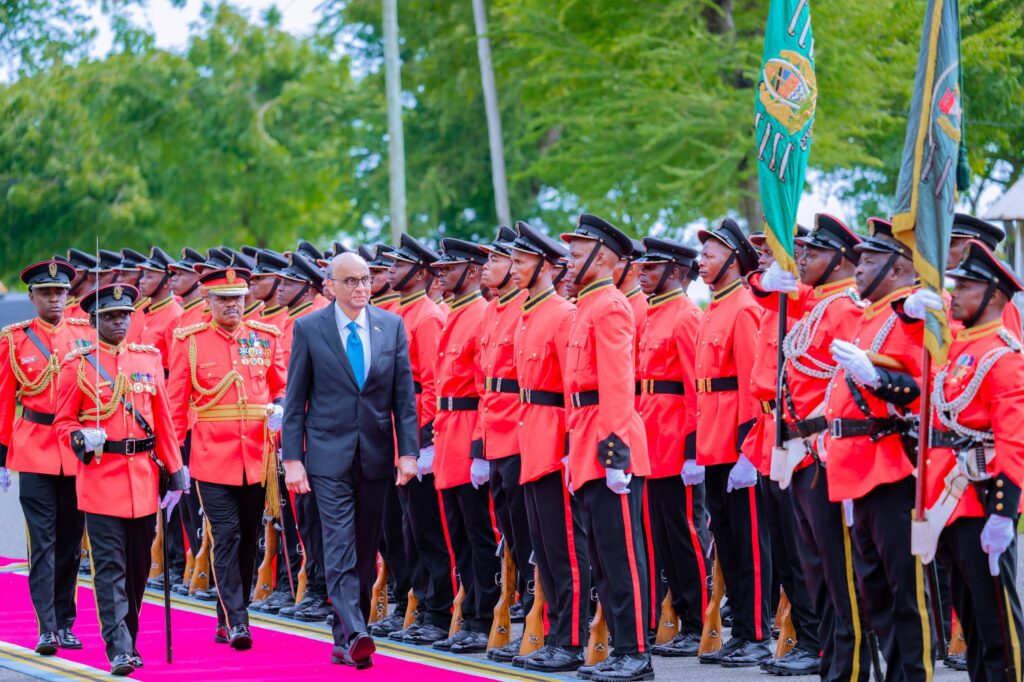
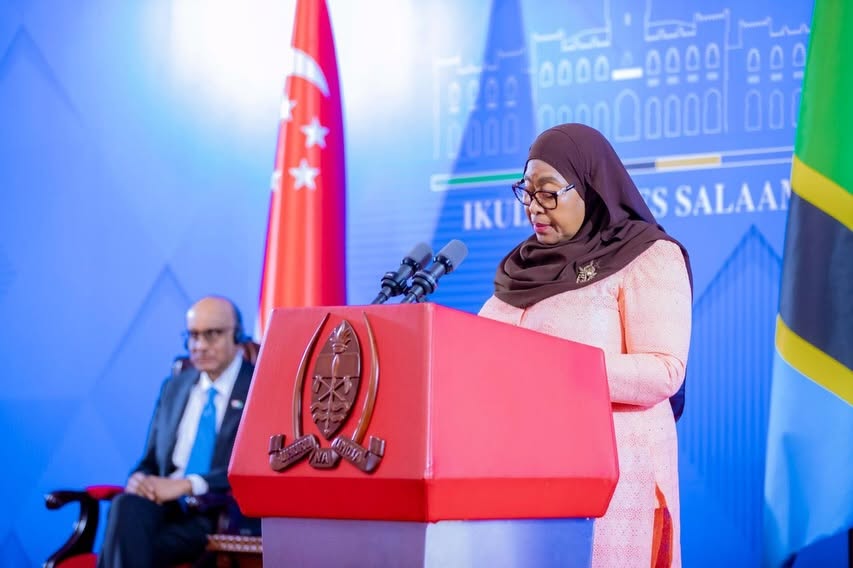
The commitment was announced on on June 9, 2026 during talks between Tanzanian President Samia Suluhu Hassan and Singaporean President Tharman Shanmugaratnam at State House in Dar es Salaam.
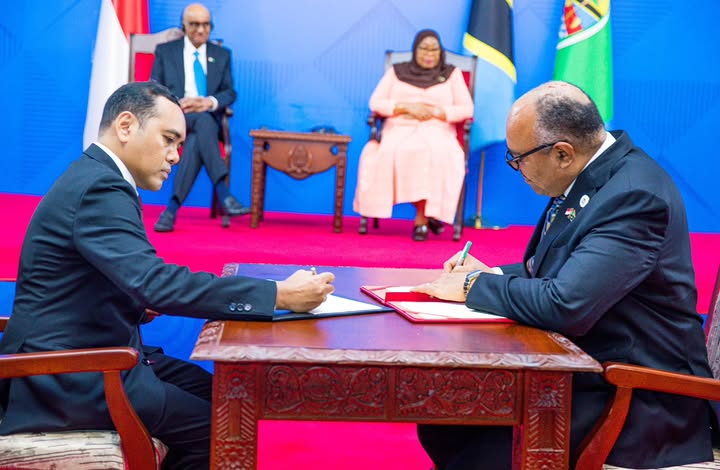
The discussions culminated in the signing of several agreements and memoranda of understanding covering taxation, investment promotion, public administration, climate action, skills development and private sector cooperation.
Speaking after the bilateral talks, President Samia said that although trade between Tanzania and Singapore had continued to grow, the current volume of approximately $299 million remained below the expectations of both countries.
She noted that Singapore currently has investments in 36 projects in Tanzania, but said the two governments had agreed to pursue additional measures aimed at increasing investment flows, expanding trade and creating new avenues of economic cooperation across key sectors.
President Samia also called on Singapore to establish an embassy in Tanzania to further strengthen diplomatic and economic relations between the two nations.
She said the countries had additionally agreed to establish a framework for regular consultations to coordinate and monitor areas of cooperation.
Agriculture emerged as one of the priority areas during the discussions, with both countries expressing interest in working together to strengthen food security.
The cooperation is expected to create new opportunities for agricultural trade while improving the reliability of food supplies.
President Tharman said the global trading environment and international supply chains were undergoing profound changes driven by geopolitical tensions, international conflicts and broader economic challenges.
He observed that the effects of climate change were becoming increasingly severe and that developing countries faced the risk of carrying a disproportionate share of the burden associated with global climate responses and economic adjustments.
According to him, the changing global environment underscored the importance of strengthening international partnerships founded on transparency, fairness and mutual benefit.
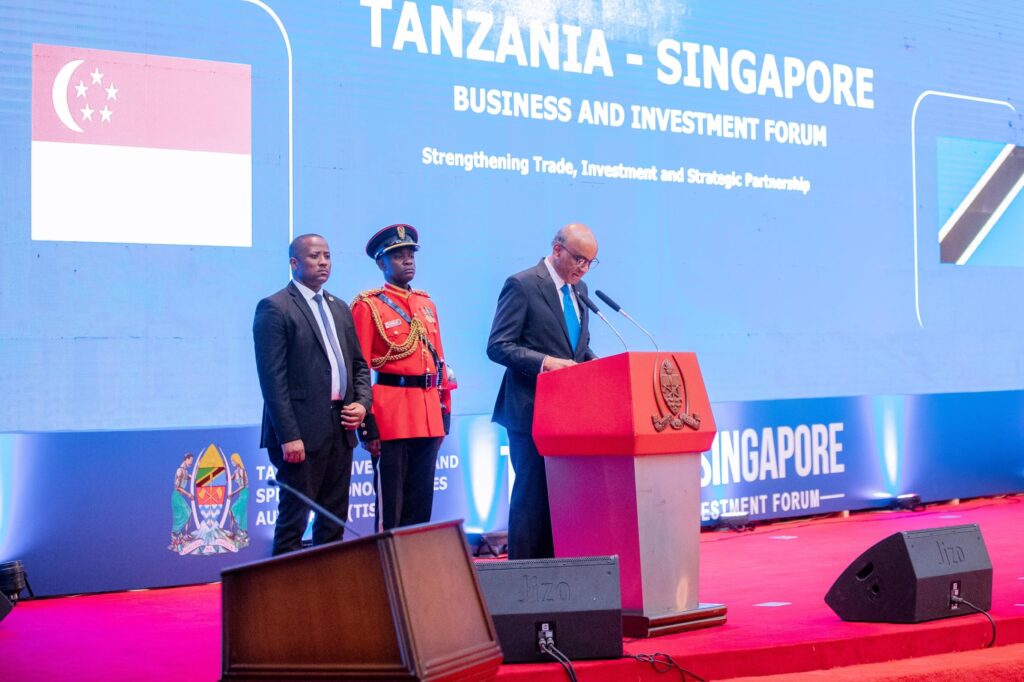
He further emphasised that relations between Africa and Asia held significant potential for expanding trade, investment and economic development, particularly at a time when the global trading system was undergoing rapid transformation.
The leaders said Tanzania and Singapore were well positioned to serve as strategic gateways to their respective regions, East Africa and Southeast Asia, creating opportunities for greater flows of capital, technology and commercial activity between the two regions.
The agreements signed by the two governments are expected to support that objective by strengthening cooperation in a wide range of economic and development sectors.
One of the most significant agreements was the Double Taxation Avoidance Agreement (DTA), which is intended to prevent double taxation and curb tax evasion and tax avoidance.
The agreement is expected to improve the business environment and encourage greater foreign direct investment between the two countries.
Additional agreements focus on good governance, public sector capacity building and the exchange of expertise in areas including port management, water services, aviation and modern public administration systems.
The two countries also agreed to cooperate more closely on environmental protection and climate action.
The partnership will cover renewable energy projects, carbon management initiatives and implementation of programmes under Article 6 of the Paris Agreement on climate change.
In the industrial sector, Tanzania and Singapore committed themselves to promoting the growth of small and medium-sized enterprises (SMEs), strengthening production value chains, facilitating trade and supporting innovation, research and access to international markets.
The agreements further seek to enhance collaboration between the private sectors of both countries and improve conditions for investment in manufacturing, commercial agriculture, transport and infrastructure development.
Human capital development also forms a key component of the new partnership.
The two governments agreed to support training programmes, professional development initiatives and knowledge-sharing arrangements aimed at strengthening local expertise and building institutional capacity.
Officials said the initiatives would contribute to Tanzania’s long-term development goals by enhancing workforce skills and improving competitiveness across various sectors of the economy.
The agreements are widely viewed as an important step in advancing economic diplomacy between Tanzania and Singapore.
They are expected to facilitate new investment opportunities, improve productivity and support sustainable economic growth.
Analysts say the strengthened partnership reflects the growing importance of cooperation between African and Asian economies as countries seek to diversify trade relationships, attract investment and build resilience against global economic uncertainties.
With the signing of the new agreements, Tanzania and Singapore have signalled the beginning of a new phase in their bilateral relations, characterised by a long-term commitment to inclusive economic growth, sustainable development and stronger diplomatic engagement.