

Dar es Salaam. Spice farmers in Tanzania are set to enhance the organic production and processing of a variety of popular spices to meet a growing demand in the export market.
Tanzania grows a variety of high-quality spices, including cloves, black pepper, cinnamon, cardamom, and ginger, in diverse climates across the mainland and Zanzibar, but growers often face a significant challenge in maintaining organic certification for exports, especially for the European market, which requires stringent standards on pesticide residues and traceability.
Without proper certification, spice processing companies stand to lose access to premium markets, hindering the economic viability of organic spice production and impacting the livelihoods of farmers in the country.
But a $5 million (Sh12.5 billion) facility could now come in handy, helping farmers in Tanzania, Nigeria and Madagascar to raise both their organic and conventional spice production to meet the huge market demand.
The three countries are Africa’s leading quality spice producers.
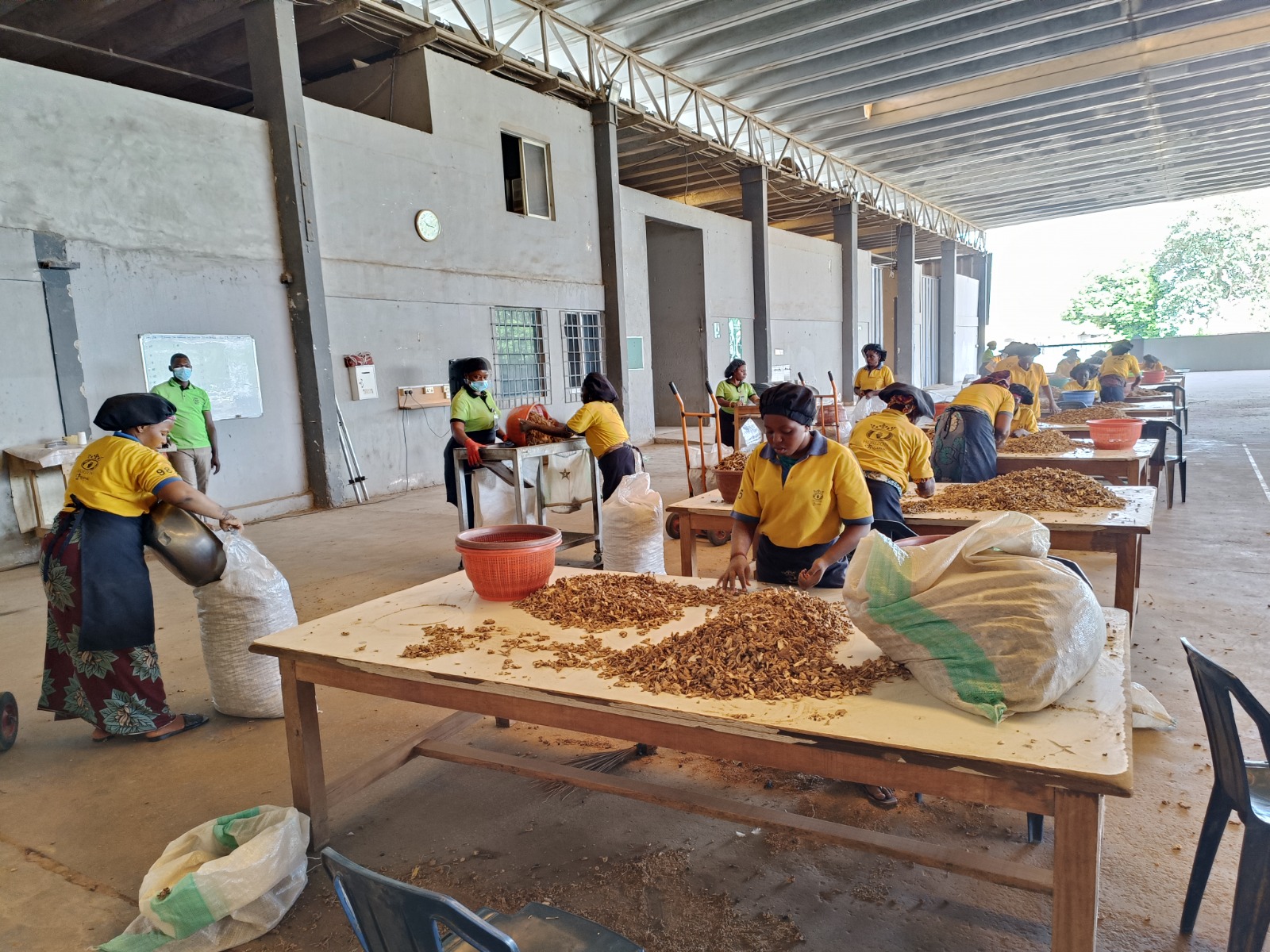
Horizon Group Africa, a company specializing in the processing and export of spices, is to spend the $5 million to enhance the value-chain capacity of some 3000 spice growers spread through its facilities in Tanzania, Nigeria and Madagascar. It is headquartered in Nigeria.
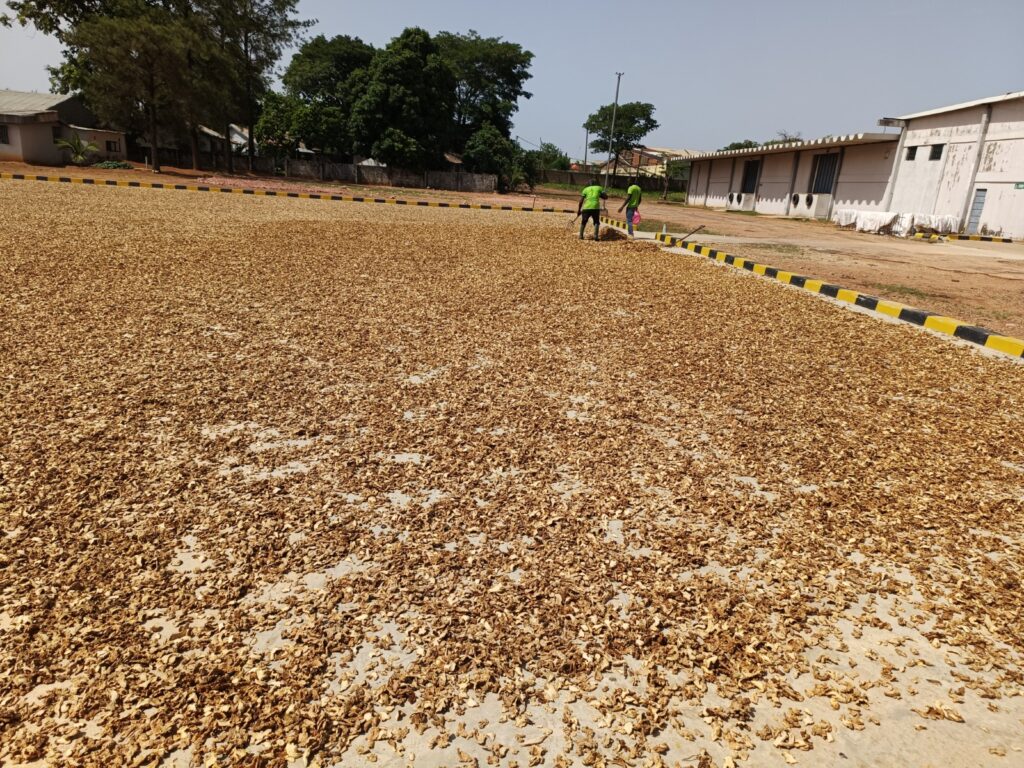
The firm aggregates and processes high-value whole spices, including ginger, turmeric, cloves, cinnamon, cardamom, and black pepper, supplying markets in the EU, Asia, and the United States.
The loan will be used to support Horizon’s working capital needs, particularly in the purchase of raw materials to fulfil increased client orders better.
“We are pleased to partner with Aavishkaar Capital as we embark on the next phase of our growth journey. Their experience in scaling businesses, strengthening governance systems, enabling access to global customer markets, and unlocking capital will be invaluable as we build Horizon into the leading African spice processing company,” said Jomy Antony, CEO of Horizon Group, in a statement released in Nairobi on Monday, September 8.
Aavishkaar Capital provided the $5 million facility through its Global Supply Chain Support Fund (GSCSF), the fourth such investment in Africa in collaboration with KfW, the German state-owned investment and development bank.
The GSCSF is a $250 million fund focused on investments in Africa and Asia, with a mandate to deliver strong Environmental, Social, and Governance (ESG) outcomes while achieving both commercial returns and positive social impact.
Commenting on the investment, Darren Lobo, Director at Aavishkaar Capital, said: “We are delighted to partner with the Horizon Group’s exceptional management team, which brings over 80 years of combined expertise in spice growing and trading, to build one of Africa’s largest spice processing companies. We deeply value Horizon’s impactful farm extension works with more than 3,000 farmers across remote regions of Tanzania, Madagascar, and Nigeria, as well as the strong, long-term relationships they have cultivated with top global customers over the past 5–8 years.”
Dr Markus Aschendorf, Head of Division at KfW, added, “Our investment in the Horizon Group through the Global Supply Chain Support Fund reflects KfW’s commitment to strengthening sustainable supply chains across Africa and in Asia. We believe that purpose-driven capital can catalyze meaningful ESG transformation while unlocking inclusive growth. Horizon’s work in ethical sourcing and regenerative agriculture aligns with our vision for resilient, ecologically conscious businesses that are ready to meet global standards and thrive in international markets.”
The growing global awareness and demand for organic food has increased the market for organic spices, enabling Horizon Group Africa to command better prices and margins.
The company provides farmer training in good agricultural practices to expand organic cultivation.
Additionally, it has organized the farmers into cooperatives to ensure organic certification and full traceability.
Tanzania’s diverse climates and fertile soils create ideal conditions for growing a wide range of spices.
Initiatives like the Southern Agricultural Growth Corridor of Tanzania (SAGCOT) provide crucial support by mobilizing private sector finance and coordinating efforts in the spice sector.
The majority of spice production is handled by thousands of smallholder farmers, who are crucial to the industry’s success and livelihoods.
The government’s role in promoting improved production practices and infrastructure has further boosted the spice industry in Tanzania.