
Dar es Salaam. The Land Transport Regulatory Authority (LATRA) has stepped up efforts to improve the safety and efficiency of the Standard Gauge Railway (SGR) by strengthening the capacity of train drivers and controllers, in a move aimed at reducing accidents caused by human error.
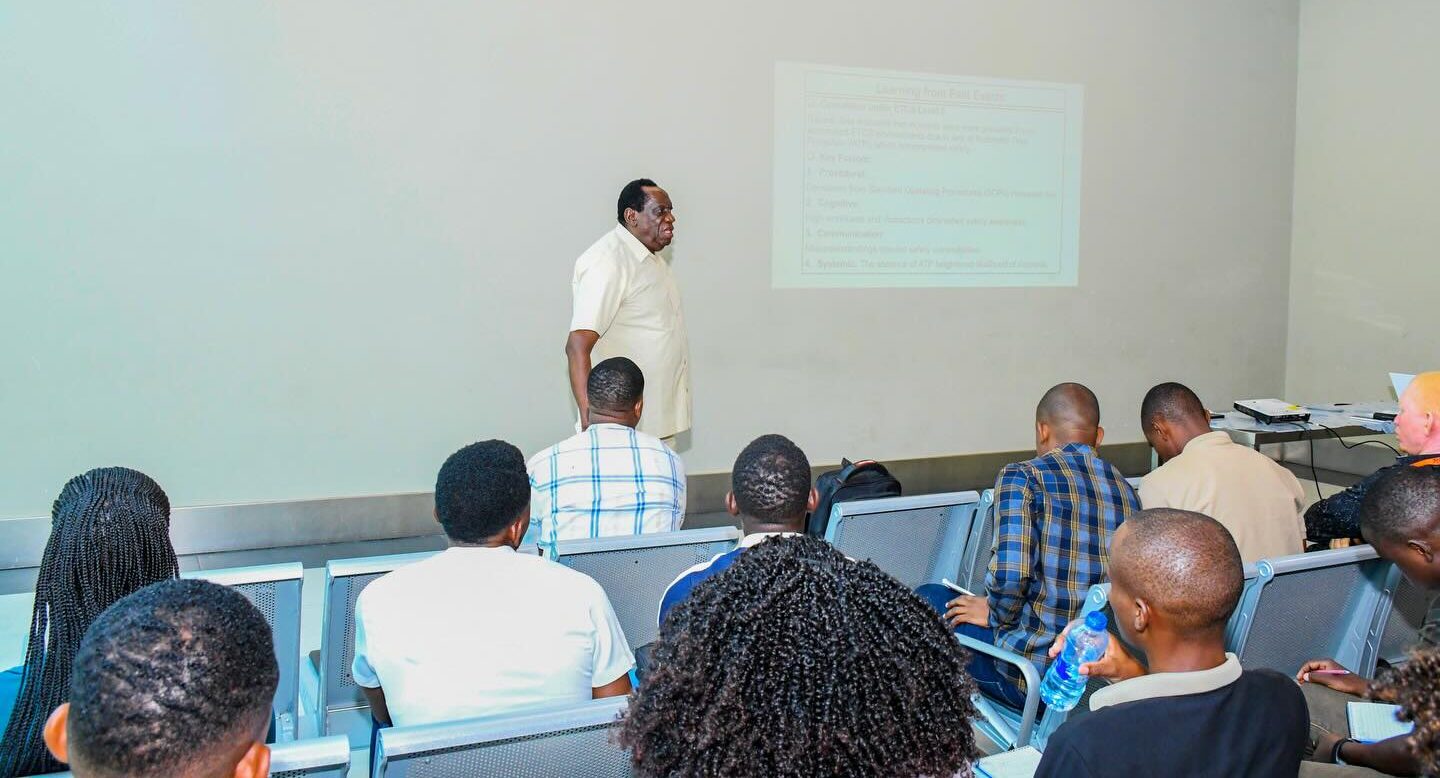
The initiative was outlined yesterday during a specialised seminar held at the John Magufuli Station in Dar es Salaam.
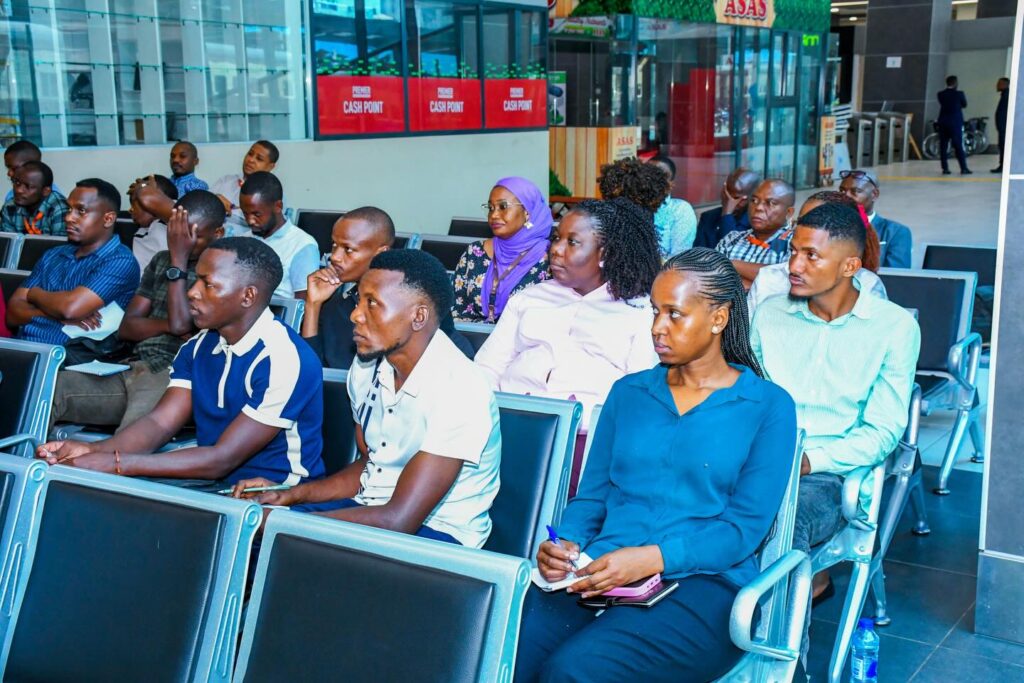
The training brought together drivers and train controllers directly involved in the operation of the SGR.
Speaking on behalf of the Director of Railway Transport Regulation at LATRA, Senior Railway Inspector Mr Moses Nyoni said the programme sought to reinforce professional discipline and adherence to safety standards among frontline staff.
He said the training was designed to remind railway personnel of their core responsibilities and the importance of safe conduct while on duty.
This, he added, would significantly reduce the likelihood of accidents linked to negligence or lapses in judgement.
“The objective of this seminar is to remind our professionals of their duties and the best practices they must observe while at work,” Mr Nyoni said.
“This will help to minimise human errors that could lead to accidents. Drivers and train controllers are at the heart of railway operations. We therefore have a duty to equip them with the necessary knowledge and continuously reinforce safety awareness.”
He noted that railway transport, by its nature, requires a high degree of concentration, discipline and technical precision.
Any lapse, he said, could have serious consequences for passengers, infrastructure and the wider transport system.
Mr Nyoni added that LATRA was committed to ensuring that all operators within the railway sector comply with established safety standards. Continuous training, he said, was a key pillar of this strategy.
“Our role as a regulator goes beyond enforcement. We also have a responsibility to build capacity and promote a culture of safety,” he said.
“Through such seminars, we aim to create a professional workforce that is alert, responsible and fully aware of the risks associated with their duties.”
After the training, railway instructor Mr John Ngaraguza said the seminar placed strong emphasis on boosting morale and addressing factors that commonly contribute to human error.
He explained that the programme focused on reducing stress, fatigue and routine-driven complacency, which are among the leading causes of operational mistakes in high-pressure working environments.
“This training is centred on motivating staff and helping them to recognise and manage the pressures that come with their roles,” Mr Ngaraguza said.
“Stress, exhaustion and working mechanically without full alertness are major risk factors. If not addressed, they can easily lead to serious incidents.”
He said participants were taken through practical sessions aimed at enhancing their situational awareness, decision-making skills and adherence to operational protocols.
The seminar also provided hands-on training in the proper use of the current train control and guidance systems. Participants were guided on how to apply the technology effectively to ensure smooth operations and prompt response to any irregularities.
According to Mr Ngaraguza, the correct use of modern signalling and control systems is essential in preventing collisions, derailments and other operational mishaps.
“Technology is a powerful tool, but it can only deliver results if operators understand it fully and use it correctly,” he said. “That is why continuous training is indispensable.”
The training comes at a time when the SGR is playing an increasingly central role in Tanzania’s transport network.
The modern railway system has significantly reduced travel time and enhanced cargo movement between major economic centres.
With rising passenger numbers and growing freight volumes, safety has become a critical priority for regulators and operators alike.
LATRA officials said similar training programmes would be rolled out regularly across the country to ensure that all railway personnel remain up to date with evolving safety standards and operational requirements.
They added that sustained investment in human capacity development would help safeguard the integrity of the railway system and protect the lives of passengers and staff.
“As the railway sector continues to expand, we must match that growth with rigorous training and strict adherence to safety principles,” Mr Nyoni said.

“Only then can we guarantee reliable and secure services for the public.”
The authority reaffirmed its commitment to working closely with railway operators to promote best practices, strengthen oversight and foster a culture of continuous improvement across the sector.