
Washington. Tanzania is intensifying efforts to expand the use of natural gas in electricity generation as part of a broader strategy to meet its target of producing 8,000 megawatts of power by 2030.
Natural gas has been identified as one of the key energy sources to support a reliable and sufficient electricity supply across the country.
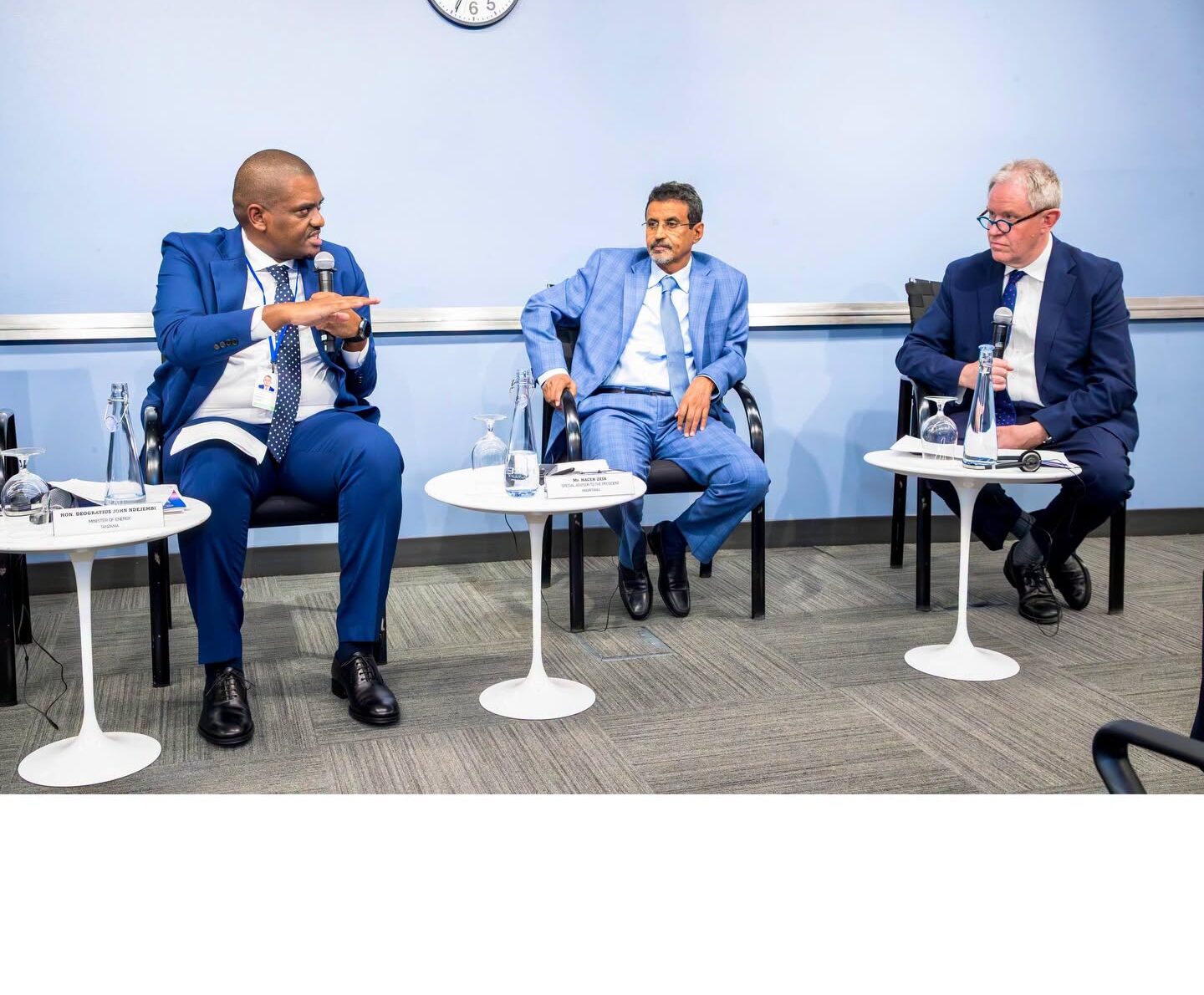
The Minister for Energy, Deogratus Ndejembi, disclosed this during the 2026 Spring Meetings of the World Bank and the International Monetary Fund taking place in Washington.
Speaking during a panel discussion titled Gas in Sub-Saharan Africa’s Energy Sector, Mr Ndejembi said Tanzania is among the African countries that have placed significant priority on natural gas as a major fuel for electricity generation.
He noted that the country currently produces more than 1,200 megawatts of electricity from natural gas, all of which has been integrated into the National Grid.
This, he said, has strengthened the availability of a reliable power supply nationwide.
The minister further explained that the government is continuing to boost natural gas production capacity.
Drilling of three new wells is ongoing at the Mnazi Bay gas block in Mtwara Region.
The additional wells are expected to increase gas output and further support the expansion of electricity generation.
Mr Ndejembi also reiterated the government’s commitment to attracting investors into the energy sector, particularly in natural gas utilisation.
He said the sector presents substantial economic opportunities and remains central to national development ambitions.
During the meeting, the World Bank urged African countries to expand electricity generation through natural gas to support industrialisation and economic growth.
Tanzania was highlighted among nations that have made notable progress in adopting gas-based power solutions.
Mr Ndejembi was accompanied to the meetings by the Permanent Secretary in the Ministry of Energy responsible for Petroleum and Gas, James Mataragio, alongside technical experts from institutions operating under the Ministry of Energy.