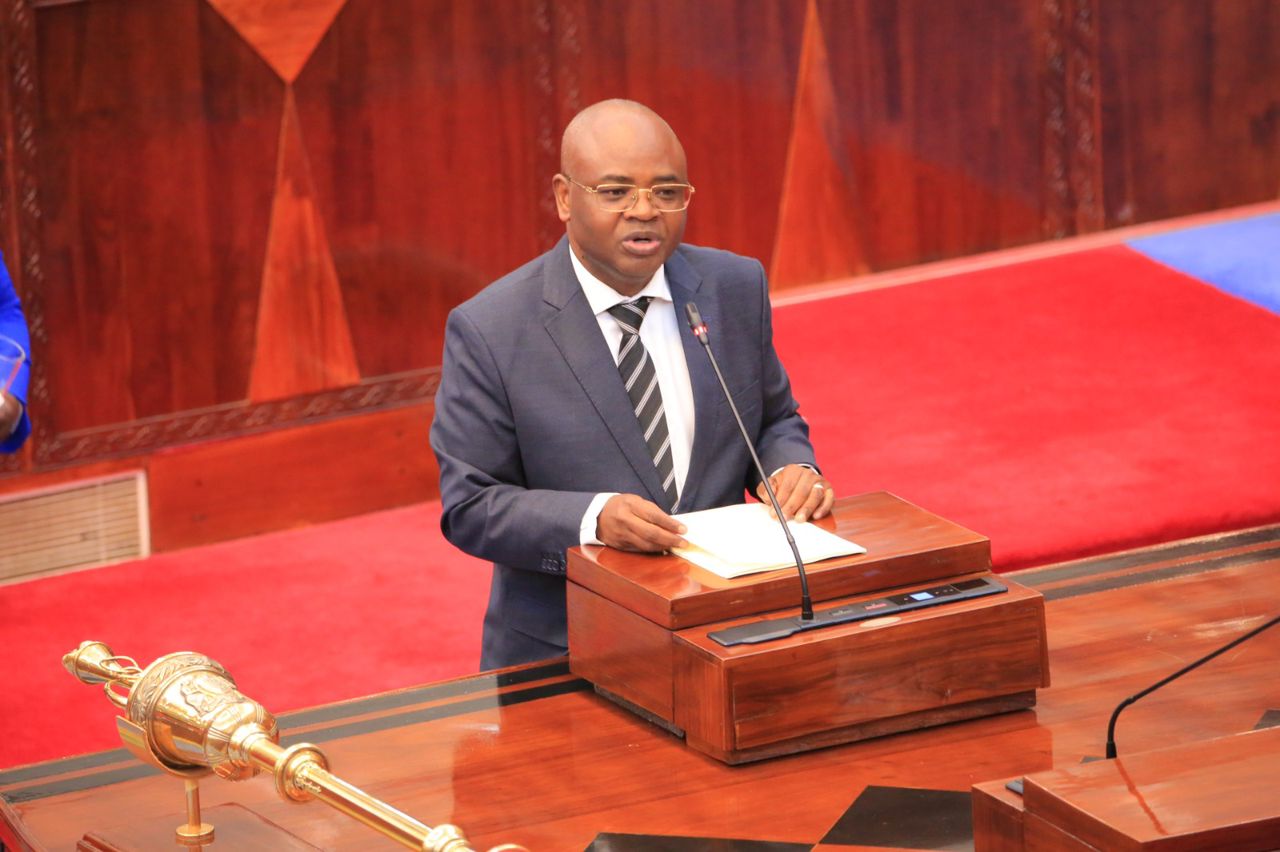

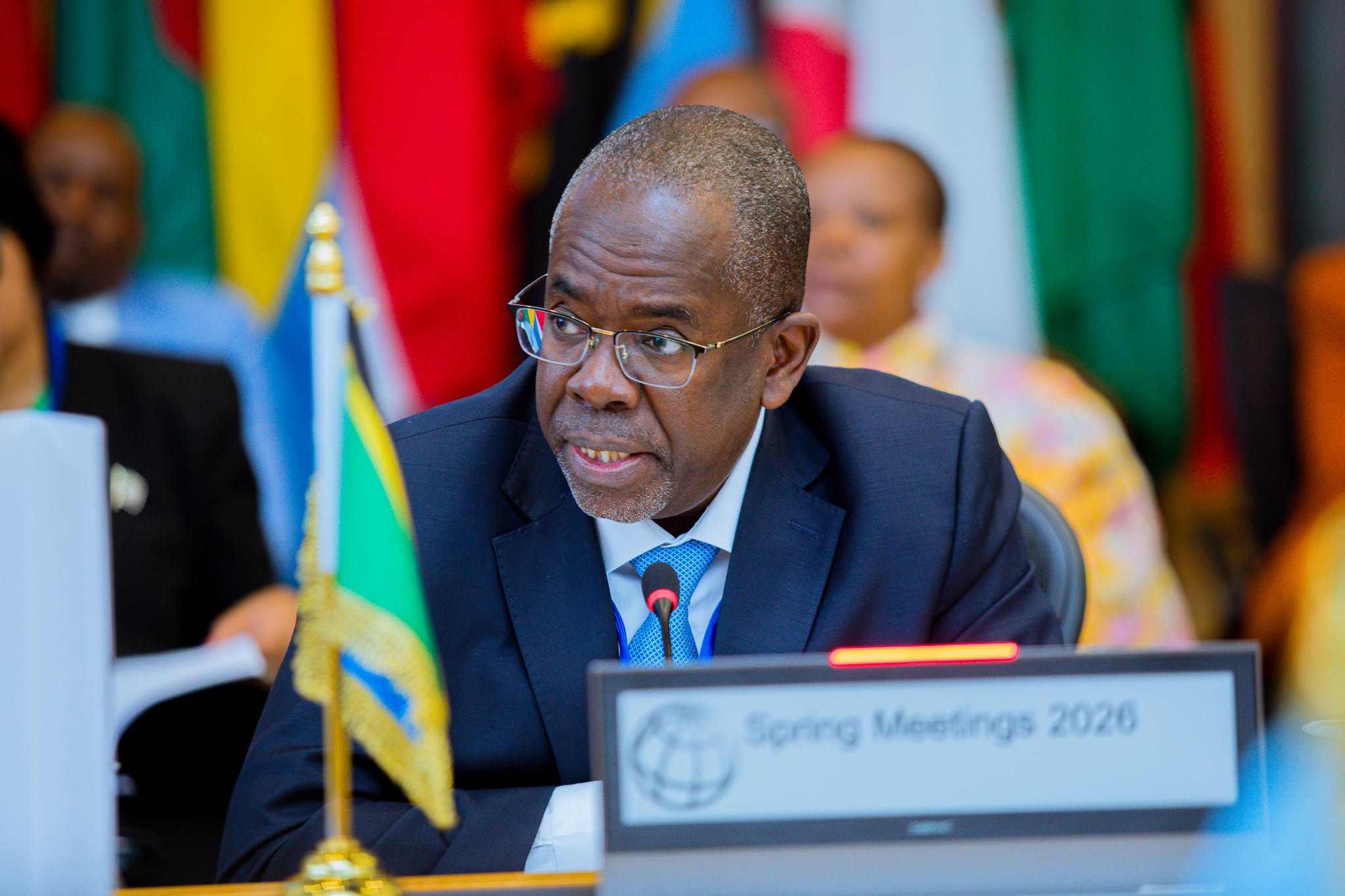
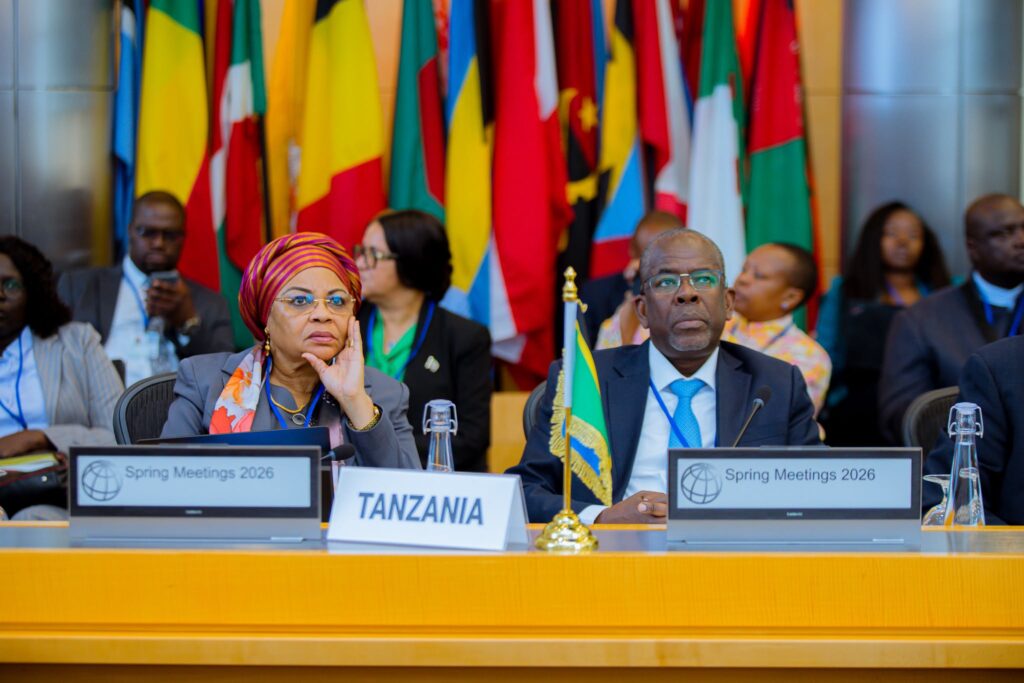
Washington. The Tanzanian Minister for Finance, Amb Khamis Mussa Omar, has formally called upon the World Bank to enhance its support for the private sector across African nations.
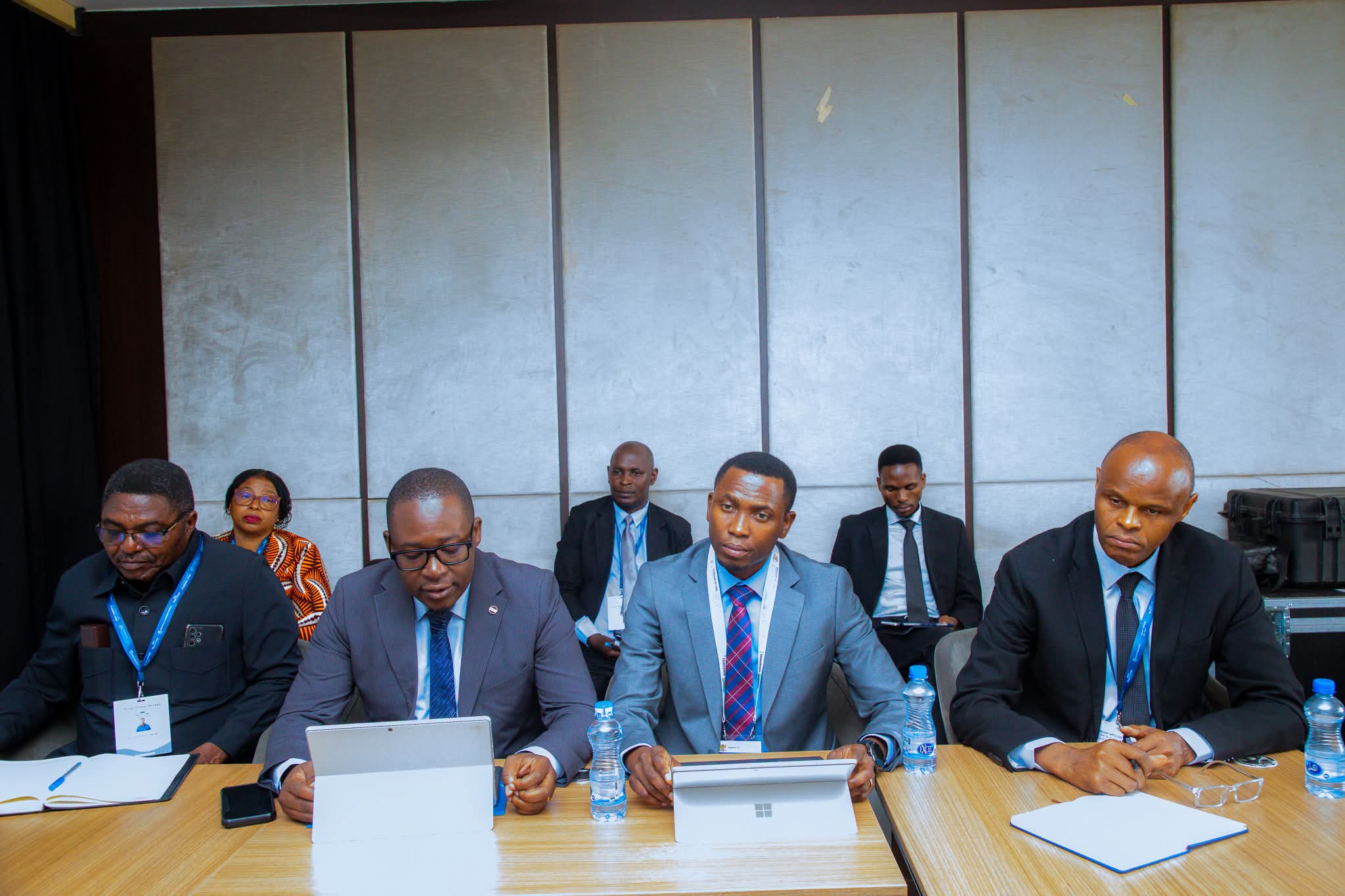
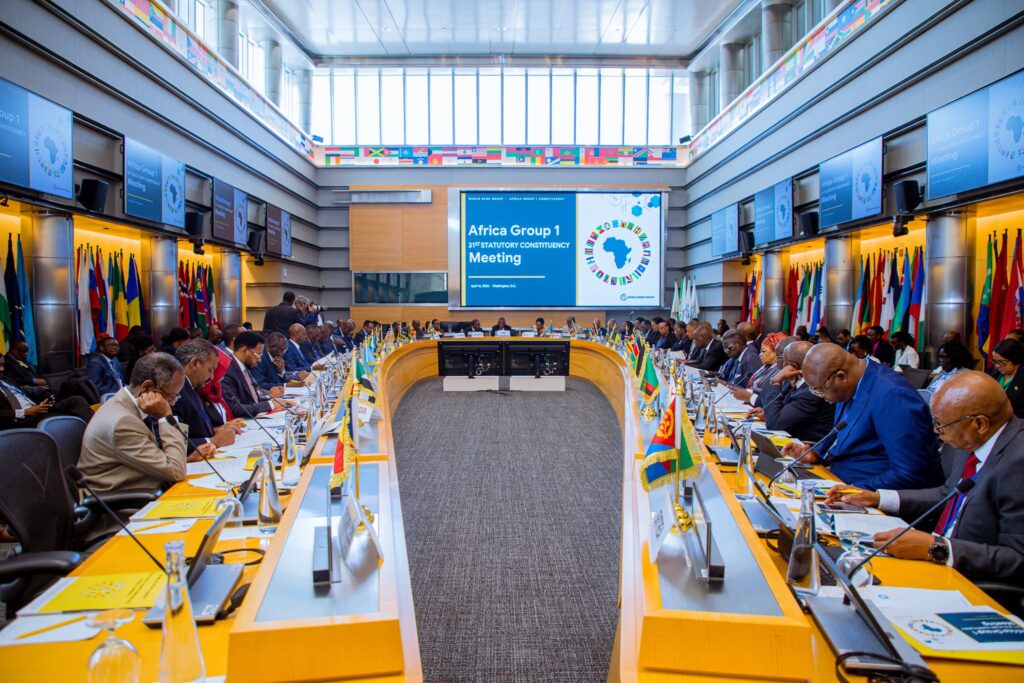
Speaking at the Africa Group 1 Constituency meeting held at the World Bank headquarters here in the city, Amb Omar emphasised that a robust private sector is essential for sustainable economic growth.
He noted that while African countries must improve domestic revenue collection, an empowered private sector remains vital for attracting both domestic and foreign capital.
Amb Omar highlighted the significant debt burdens currently facing many African nations.
Many of these countries have reached their borrowing limits.
This financial pressure often forces governments to increase domestic taxes.
Such measures frequently place a disproportionate burden on impoverished citizens.
To address these systemic challenges, the Minister advocated for a comprehensive transformation and development plan for the continent.
He drew a direct comparison to the Marshall Plan, which facilitated the reconstruction of Europe following the Second World War.
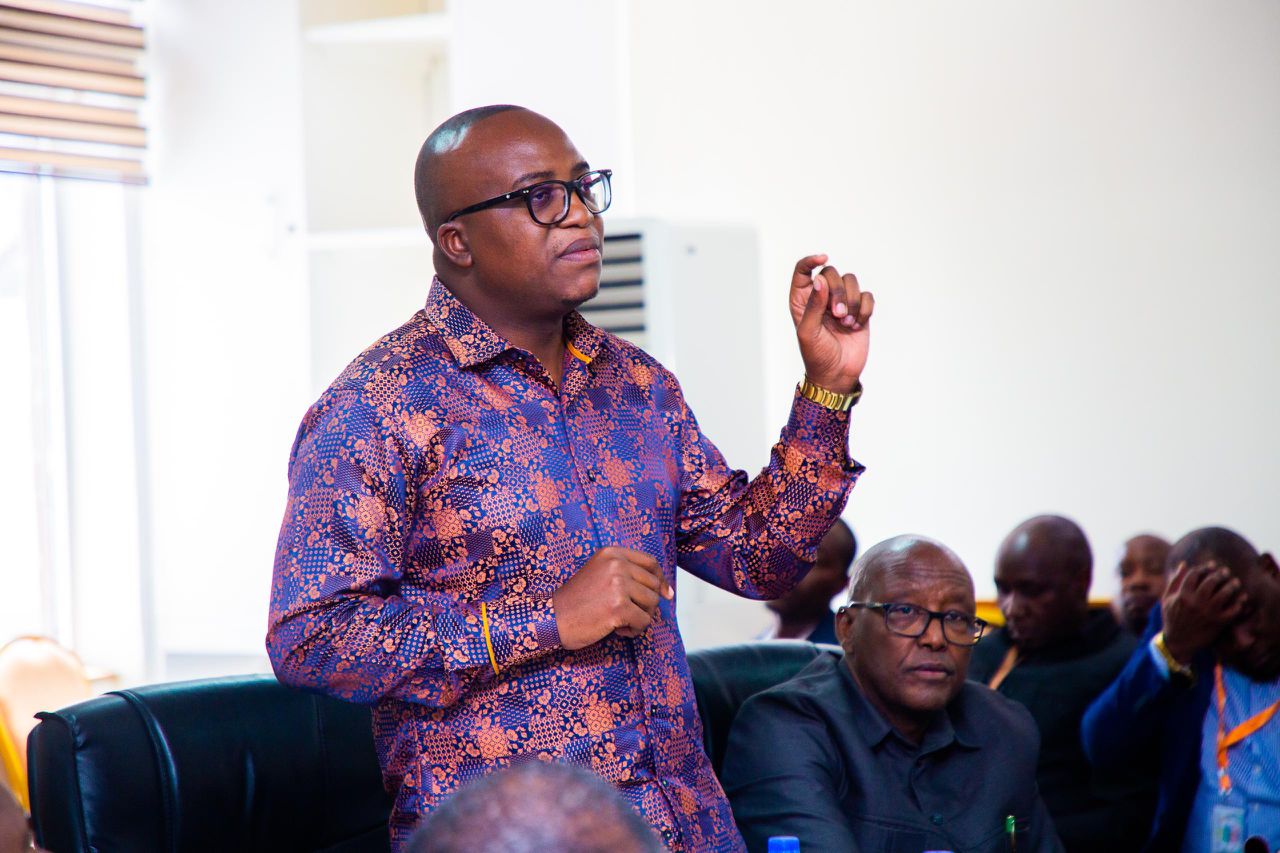
In response to these regional concerns, the World Bank’s executive director for Africa Group 1, Dr Zarau Wendelin Kibwe, presented a strategic progress report.
The World Bank intends to mobilise $100 billion to assist member states in tackling economic challenges and fostering private sector expansion.
This substantial funding initiative aims to broaden employment opportunities for women, youth, and marginalised communities. It also seeks to bolster social protection and economic resilience.
Dr Kibwe further explained that the objective extends beyond simple job creation.
The World Bank is prioritising high-impact sectors such as agriculture, energy, health, and mining to ensure jobs are productive and sustainable.
This targeted approach is designed to create equitable opportunities for all, particularly the burgeoning youth population.
The Africa Group 1 Constituency comprises 22 Sub-Saharan African nations, including Tanzania, Kenya, Uganda, and Ethiopia, all working collectively to influence World Bank policy and regional development.