

Dar es Salaam. President Samia Suluhu Hassan has announced a new policy push aimed at formalising Tanzania’s food vendors sector.
The policy direction signals a stronger government commitment to improving safety, organisation and productivity within one of the country’s largest informal economic activities.
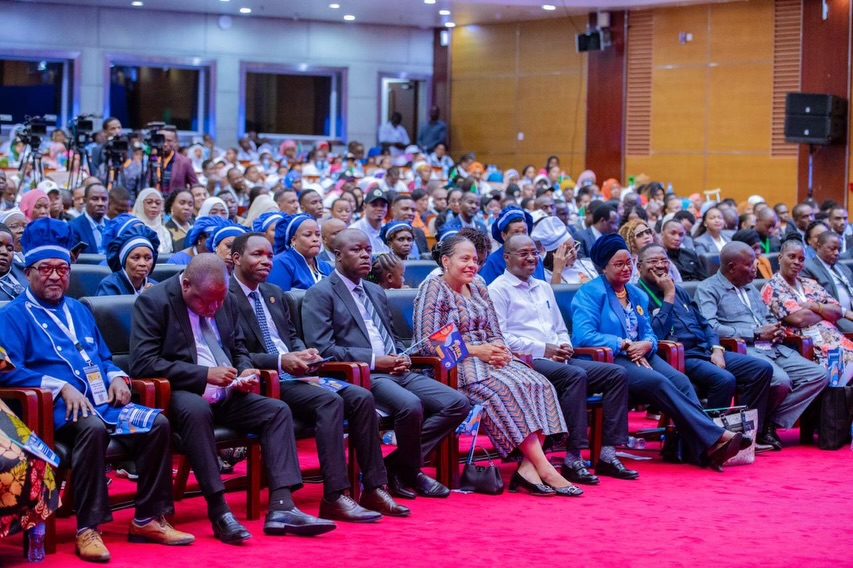
Opening the National Food Vendors Conference at the Julius Nyerere International Convention Centre (JNICC) here in the city on April 21, 2026, she said the sector remains a vital source of livelihoods for thousands of Tanzanians in both urban and rural areas.
She noted that government interventions would focus on creating safer and more structured working conditions.
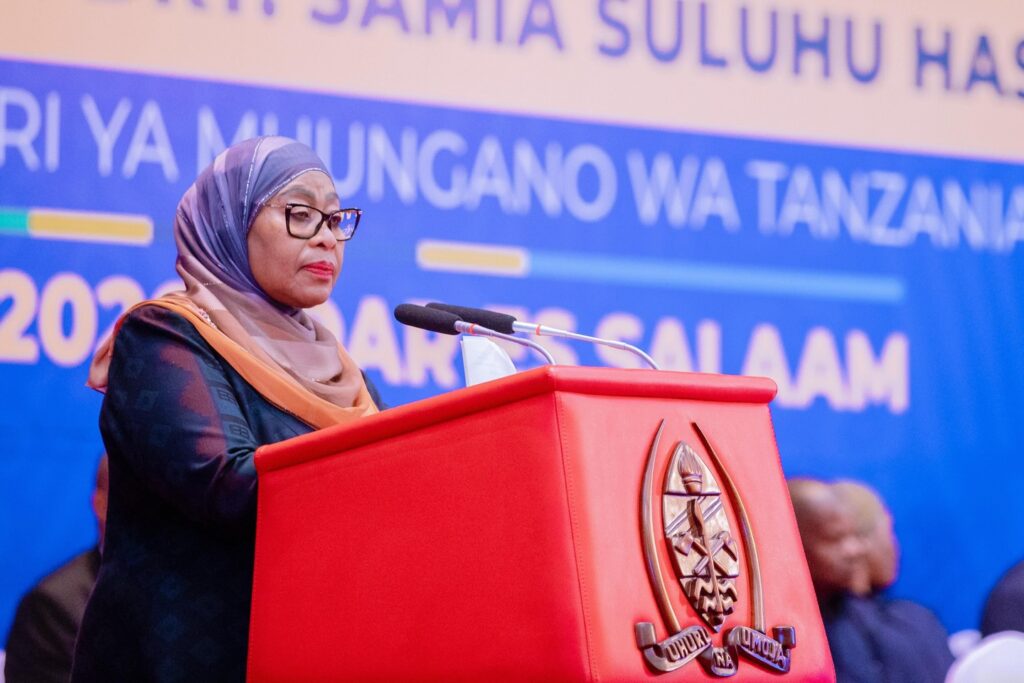
President Hassan directed ministries, regional administrations and local government authorities to designate and formalise specific trading areas for vendors.
She also instructed authorities to upgrade essential infrastructure and expand training programmes covering food safety, nutrition and business management.
These measures, she said, would help vendors operate more efficiently while protecting public health.
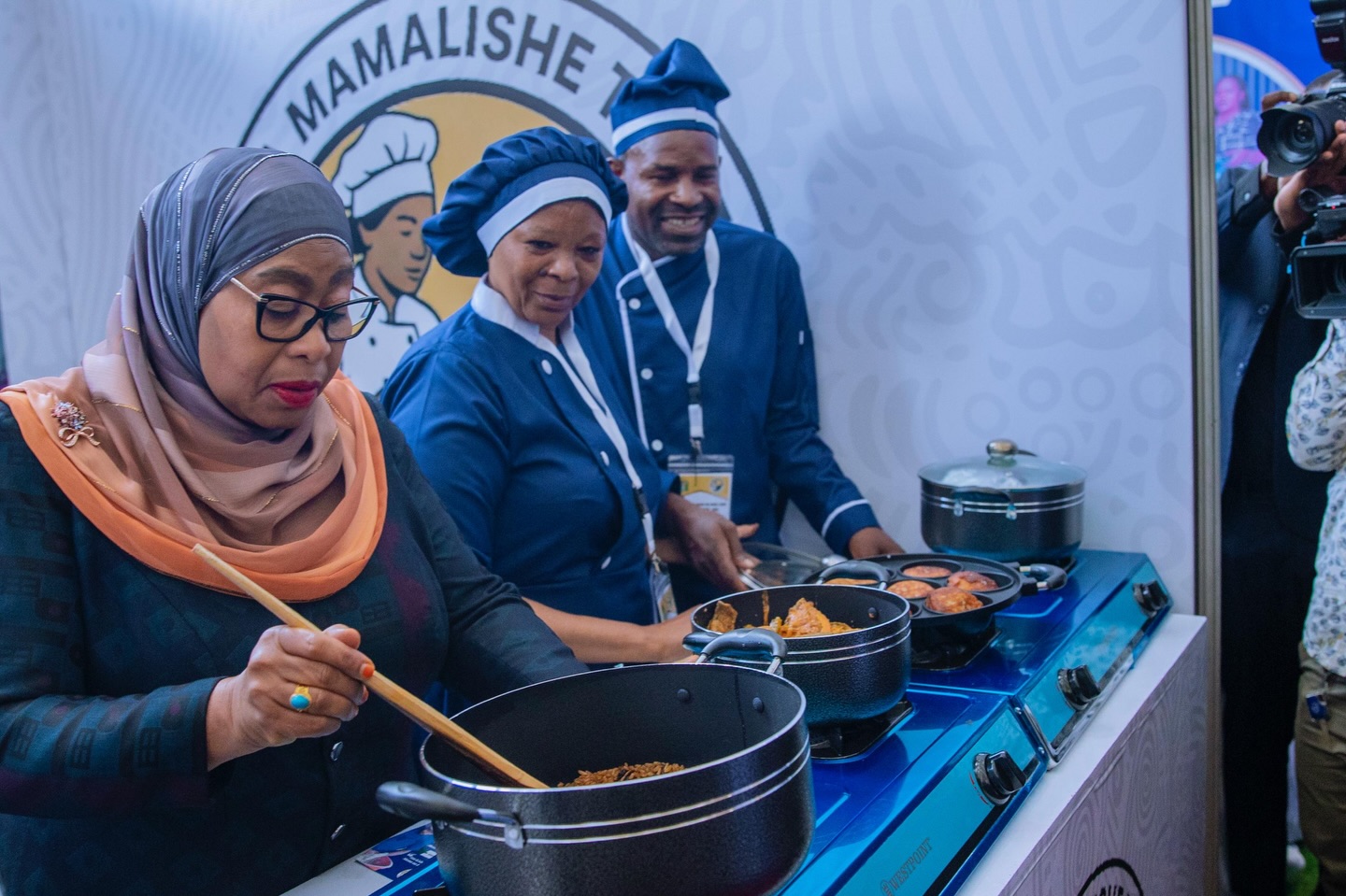
The President further underscored the importance of adopting clean cooking energy across the sector.
She explained that wider use of such technologies would improve health outcomes, reduce environmental degradation and lower operating costs for small businesses, including street food vendors.
The government, she added, would continue collaborating with private sector partners to increase access to clean cooking solutions.
According to President Hassan, the initiative aligns with Tanzania’s long-term Vision 2050 development framework (Dira 2050), which seeks to build a knowledge-based and technology-driven economy that is inclusive and resilient.
She emphasised that national stability and unity remain essential foundations for sustained economic growth and development.
Minister for Community Development, Gender, Women and Special Groups, Dr Dorothy Gwajima, said the conference marks a significant step in formally recognising the contribution of food vendors to the national economy.
She noted that the gathering provides an important platform to discuss challenges facing the sector and identify practical policy and operational solutions.
Dar es Salaam Regional Commissioner, Albert Chalamila, said the transition towards clean cooking energy would enhance working conditions for vendors while supporting national sustainability targets.
He added that the move reflects broader government efforts to modernise informal businesses and integrate them into structured economic systems.
In a related development, CRDB Bank Foundation managing director, Tully Esther Mwambapa, affirmed that financial institutions would continue supporting food vendors through expanded access to credit facilities, business training and market opportunities.
She said partnerships between government and the private sector remain crucial to strengthening small-scale enterprises.
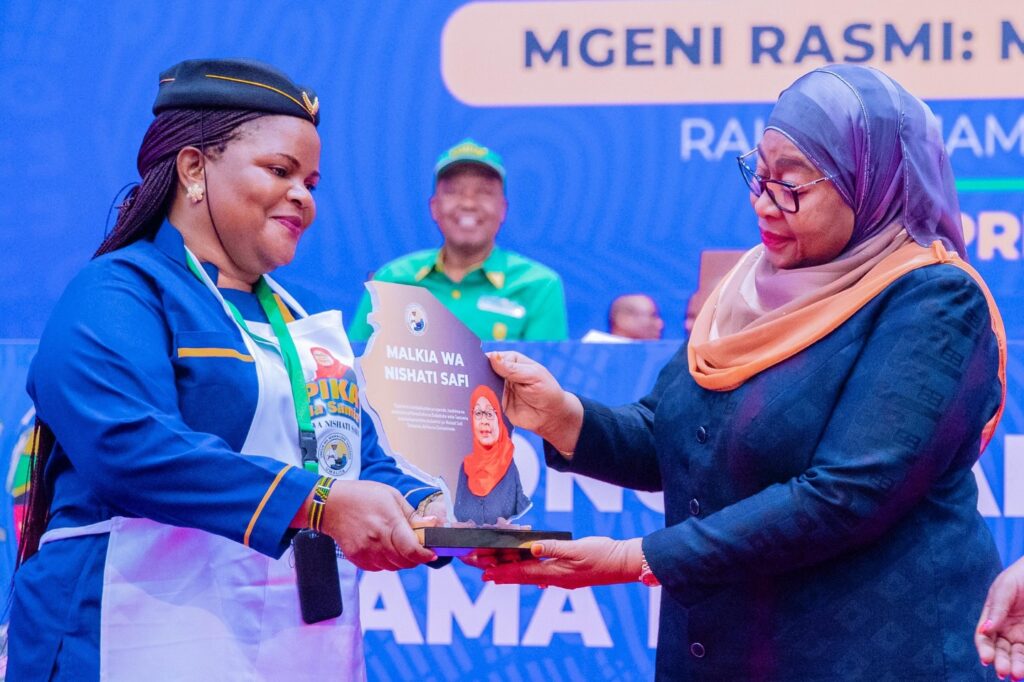
During the conference, President Hassan received an award from the Association of Tanzania Food Vendors in recognition of her leadership in advancing clean cooking energy initiatives across the country.
The recognition highlighted growing national momentum towards environmentally sustainable business practices within the informal sector.
The President also handed over a cheque worth Sh94.16 billion to the Minister of State in the Prime Minister’s Office [Regional Administration and Local Government], Prof Riziki Shemdoe.
The funds are intended to support loan schemes targeting women, youth and persons with disabilities, groups that form a large share of small-scale traders and food vendors.
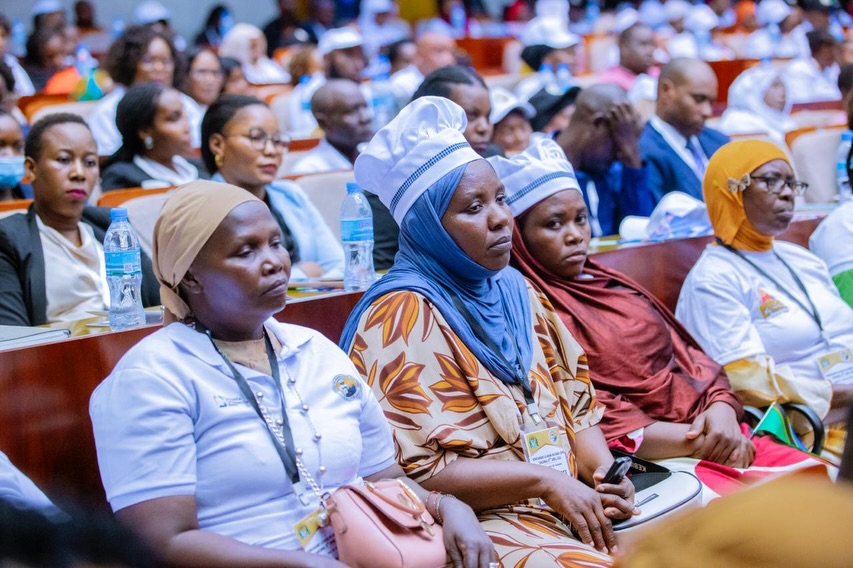
Participants at the conference included representatives from both Mainland Tanzania and Zanzibar.
The meeting underscored the government’s continued focus on integrating food vendors into broader national economic and social development policies, while ensuring that their operations meet modern safety and organisational standards.