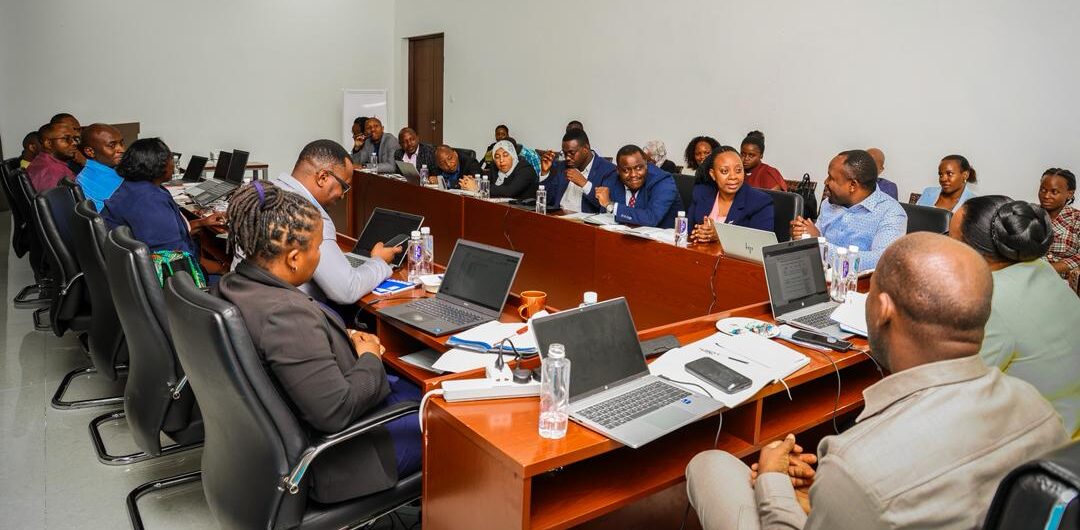

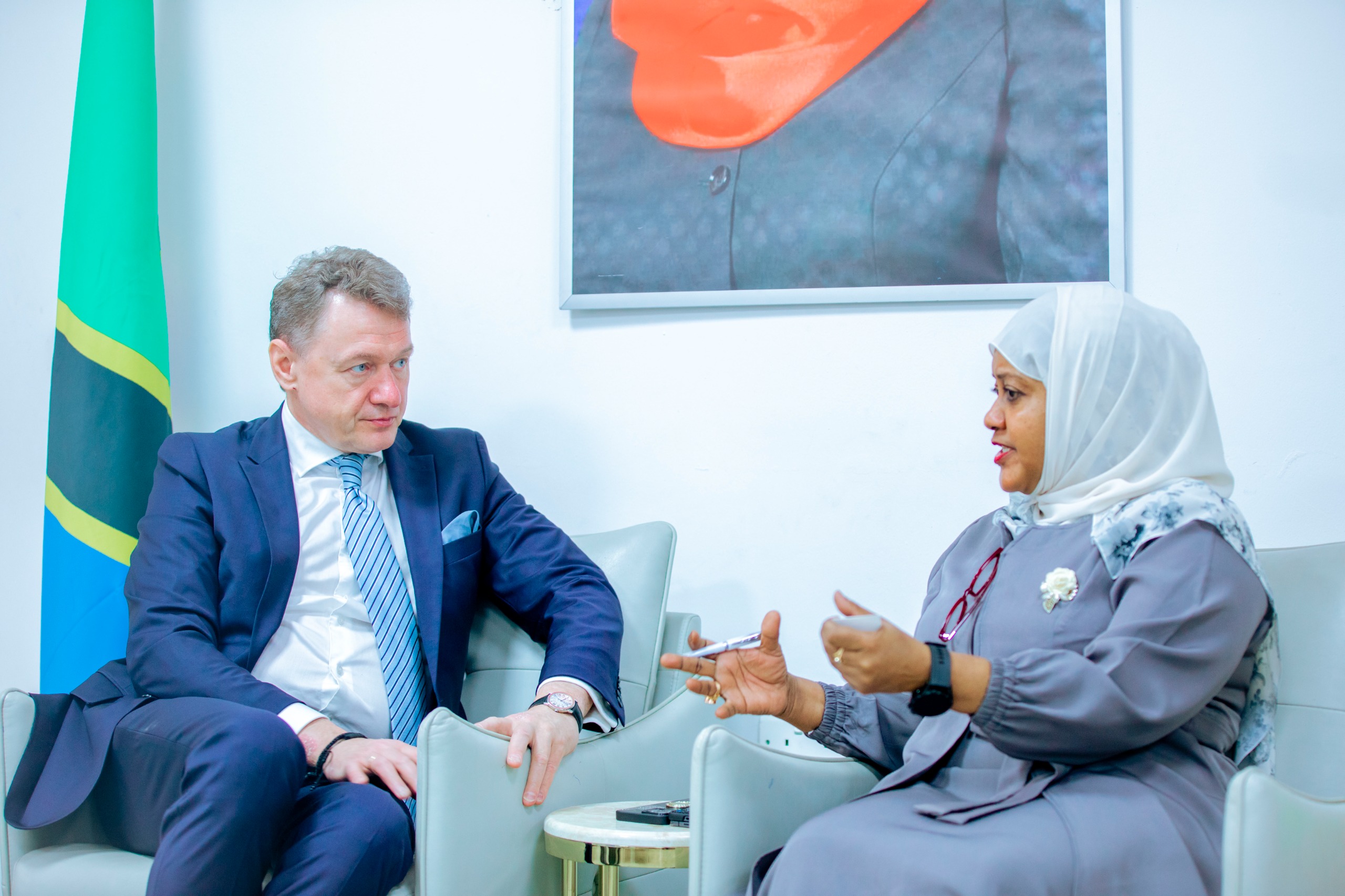
Dar es Salaam. The Tanzania Trade Development Authority (TanTrade) has stepped up efforts to expand international trade links after hosting a delegation from Belarus to explore opportunities for stronger commercial and investment cooperation between the two countries.
The visit focused on identifying areas of mutual interest and establishing closer engagement between businesses and institutions from both sides.
Discussions centred on how Tanzania could widen its trade footprint while attracting new investment and technology partnerships.
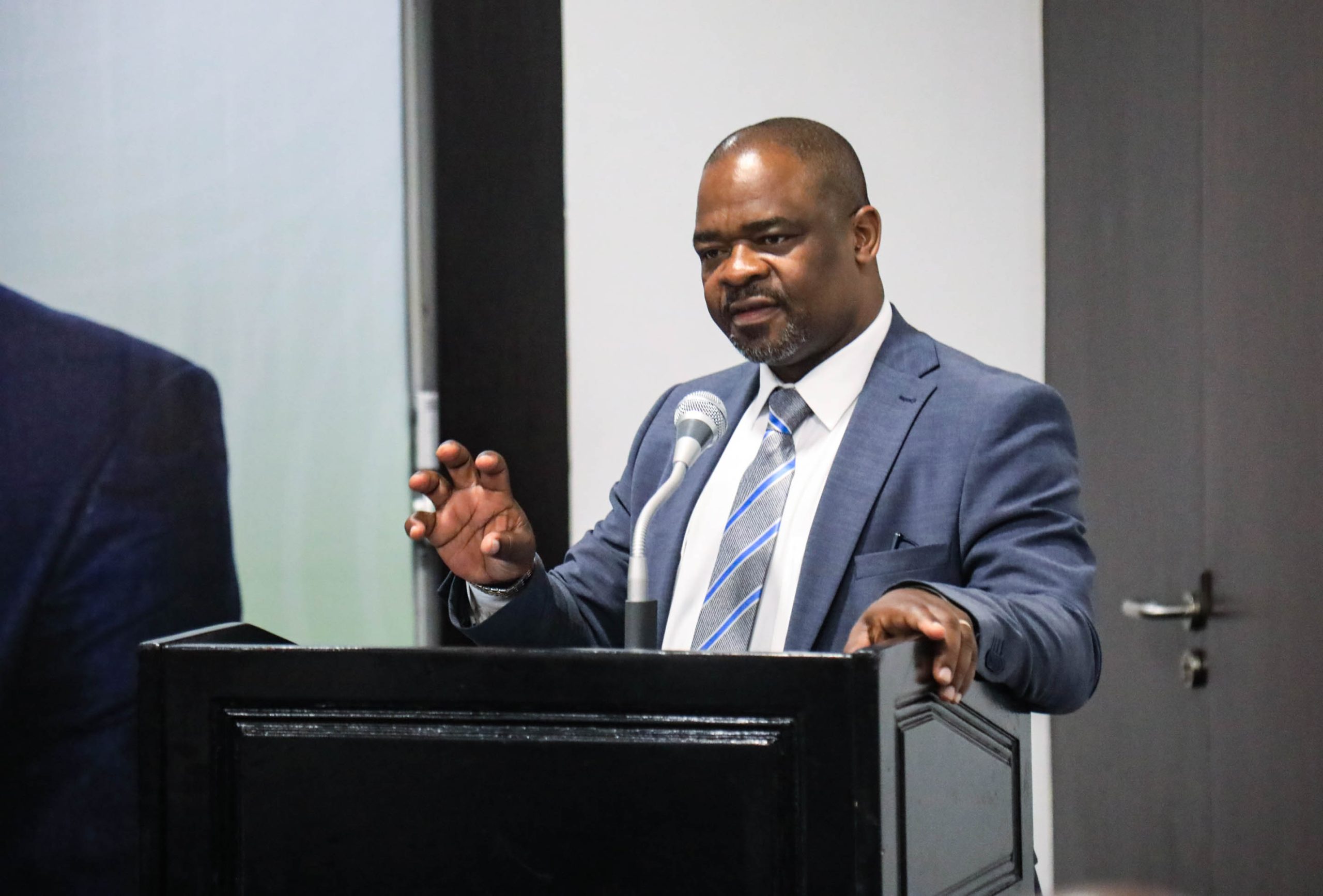
Speaking about the available opportunities in Tanzania, the Director General of TanTrade, Latifa Khamis, said the country offers significant potential across several key sectors.
She cited mining, agriculture, healthcare, transport and entertainment as among the areas with promising prospects for foreign investors and trading partners.
She said cooperation between Tanzania and Belarus would be built on close collaboration aimed at creating a favourable business environment.
Through the partnership, TanTrade intends to open new pathways for Tanzanian traders to access emerging markets while strengthening commercial ties between the two nations.
“Through this cooperation, TanTrade will place emphasis on enabling Tanzanian traders to enter new markets and build a strong bridge for success that will support the growth of trade between the two countries,” she said.
Dr Khamis added that the initiative forms part of Tanzania’s broader strategy to strengthen economic diplomacy.
She noted that expanding international partnerships remains central to attracting investment and unlocking business opportunities that will benefit both entrepreneurs and the wider national economy.
From the Belarusian side, Director General of the National Export Promotion Centre of Belarus, Mikalai Barysevich, expressed his country’s readiness to enhance trade and investment cooperation with Tanzania.
He said the partnership would create broader economic opportunities and deepen trade relations between the two countries.
He noted that there is considerable potential to expand joint investments and business exchanges.
However, he emphasised that the first step involves improving mutual understanding of the products, services and technologies available in each country.
“Trade promotion institutions have the responsibility to support businesses in establishing direct relationships that make trade easier and increase levels of economic cooperation,” he said.
“Belarus has come to Tanzania with strong readiness to collaborate, and we are prepared to advance this partnership in line with Tanzania’s commitment.”
Mr Barysevich said Belarus possesses extensive capacity in manufacturing and technology development, which could support Tanzania’s efforts to advance key sectors of its economy.
He highlighted his country’s strong position in the production of industrial and agricultural machinery.
According to him, Belarus is among the world’s leading producers of agricultural equipment, with one in every ten tractors used globally originating from the country.
In addition, he noted that one in every six harvesting machines worldwide is manufactured there.
He further stated that Belarus leads globally in the manufacture of heavy mining trucks capable of carrying loads of up to 450 tonnes.
Such technology, he said, could be valuable for African countries with expanding mining industries.
In the agricultural sector, he said Belarus produces machinery designed to operate in diverse climatic conditions.
He cited the successful use of Belarusian agricultural equipment in Zimbabwe as an example of how technology transfer can help improve crop productivity and support food security.
Mr Barysevich underscored that Belarus sees strong opportunities to collaborate with African countries in industrial development, agriculture, mining and technology.
He pledged his country’s willingness to provide technical support and investment to help advance development across the continent.
He added that Belarus has made significant investments in industrial technologies, presenting Tanzania with opportunities to benefit from advanced expertise and modern production systems.
Such collaboration, he said, could enhance productivity, improve efficiency and strengthen the competitiveness of Tanzanian industries in regional and global markets.