
Dodoma. Tanzania Railways Corporation (TRC) has for the first time in nearly five decades stopped depending on government subsidies to pay salaries and meet operational expenses, marking a major turning point for the country’s rail sector after years of decline, restructuring and financial losses.
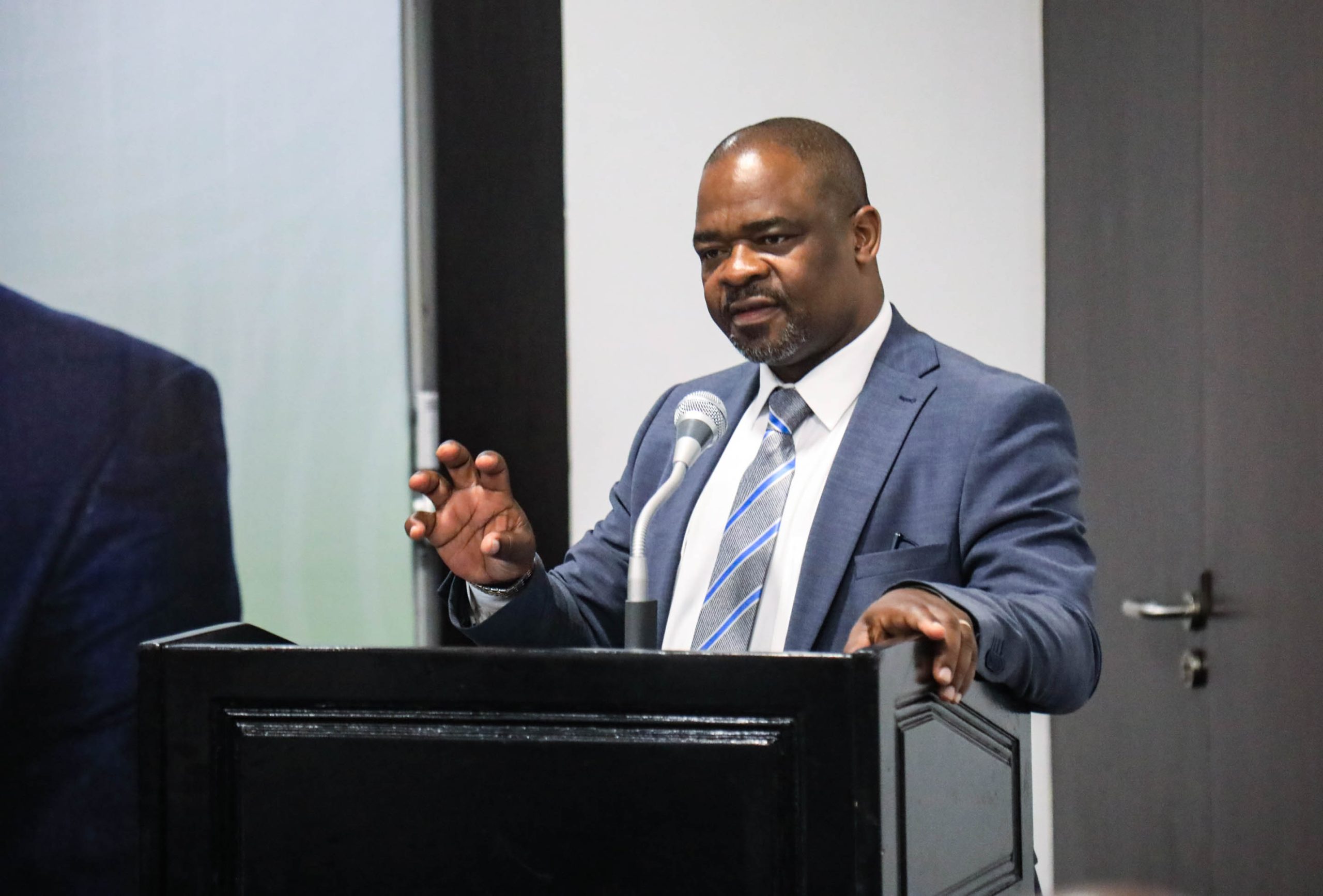
Transport minister Makame Mbarawa told Parliament on Wednesday that TRC would no longer receive a government wage subsidy in the 2026/27 financial year.
“Since the establishment of TRC, the government has been providing salary subsidies. I wish to inform this august House that in 2026/27 TRC will no longer be allocated salary subsidies from the government,” Prof Mbarawa said.
He added that from January 2026 the corporation had already started operating independently in paying salaries and meeting other operational costs without support from the Treasury.
According to Prof Mbarawa, the government had been providing about Sh12.92 billion annually over the past decade to support salaries at the railway corporation.
The announcement represents one of the strongest indicators yet that the government’s massive investment in the Standard Gauge Railway is beginning to transform the country’s rail transport system.
TRC’s turnaround comes after about five decades of institutional instability and declining performance following the collapse of the former East African Railways and Harbours Corporation in 1977.
After the breakup of the regional corporation, Tanzania inherited a railway system that gradually deteriorated because of ageing infrastructure, underinvestment and operational inefficiencies.
Freight volumes fell sharply over the years as cargo shifted to road transport.
Passenger services also declined.
In the 2000s, the government split railway operations into two entities.
Reli Assets Holding Company (RAHCO) was the state company responsible for developing, managing, and maintaining Tanzania’s rail infrastructure. It was the legal owner and custodian of the Tanzanian Railways Infrastructure and Assets and acted as the landlord.
Operations were under Tanzania Railways Limited (TRL), which was concessioned to India’s RITES together with local partner, Infrastructure Leasing & Financial Services.
RITES acquired 51 percent of the TRL’s shares in March 2006 and started railway operatins in October 2007.
RITES withdrew from the partnership roughly three years into the 25-year contract, in 2009-2010, after which TRL returned to being a wholly state-owned company.
In 2017 the government decided to merge TRL and Rahco to get back the Tanzania Railways Corporation.
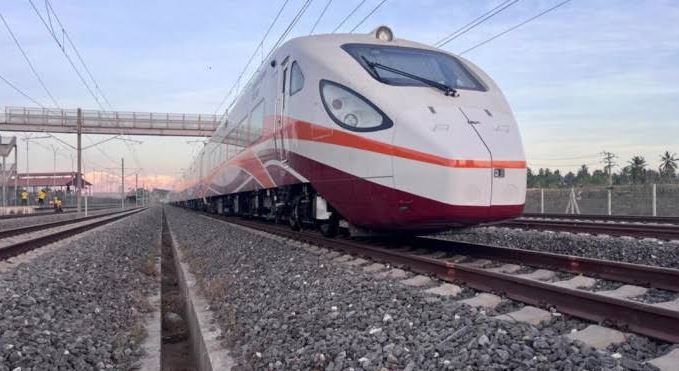
SGR
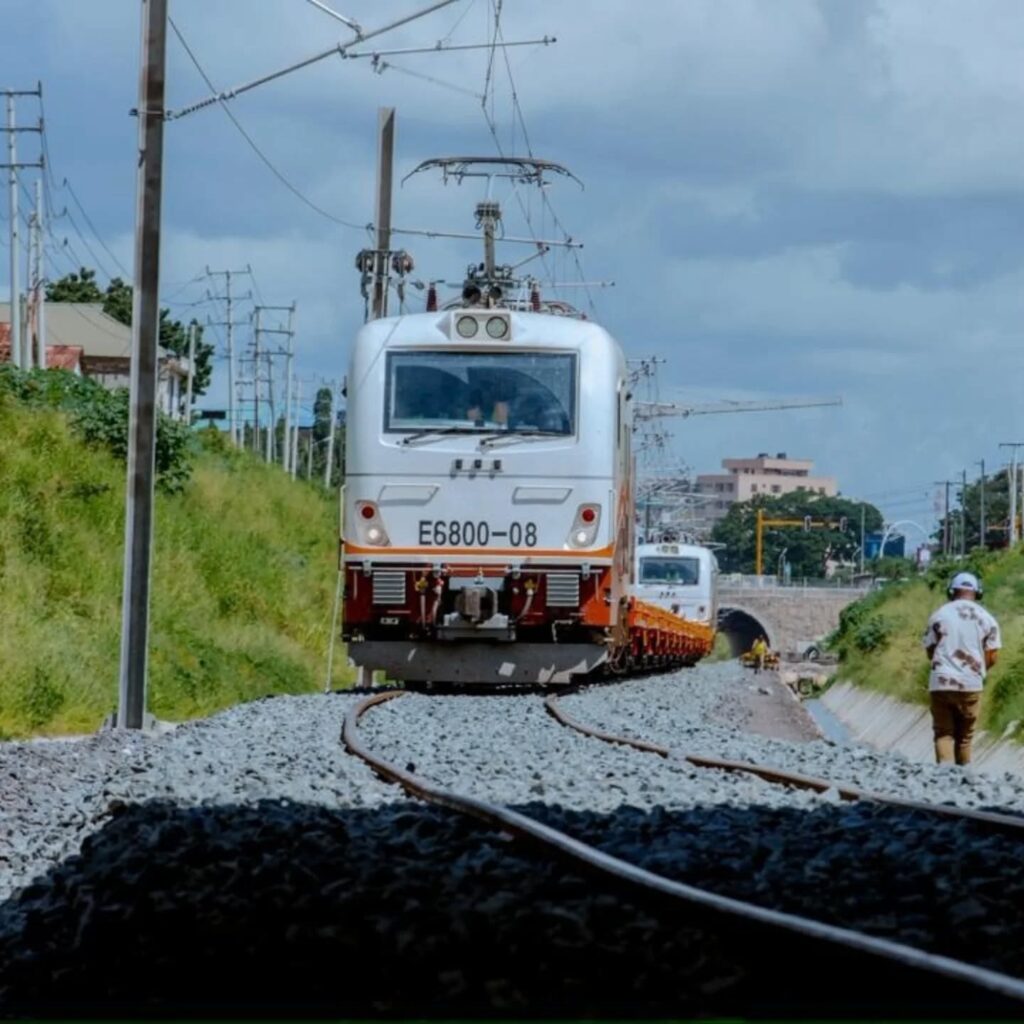
It was around the same time when the government launched the electric SGR project in 2017.
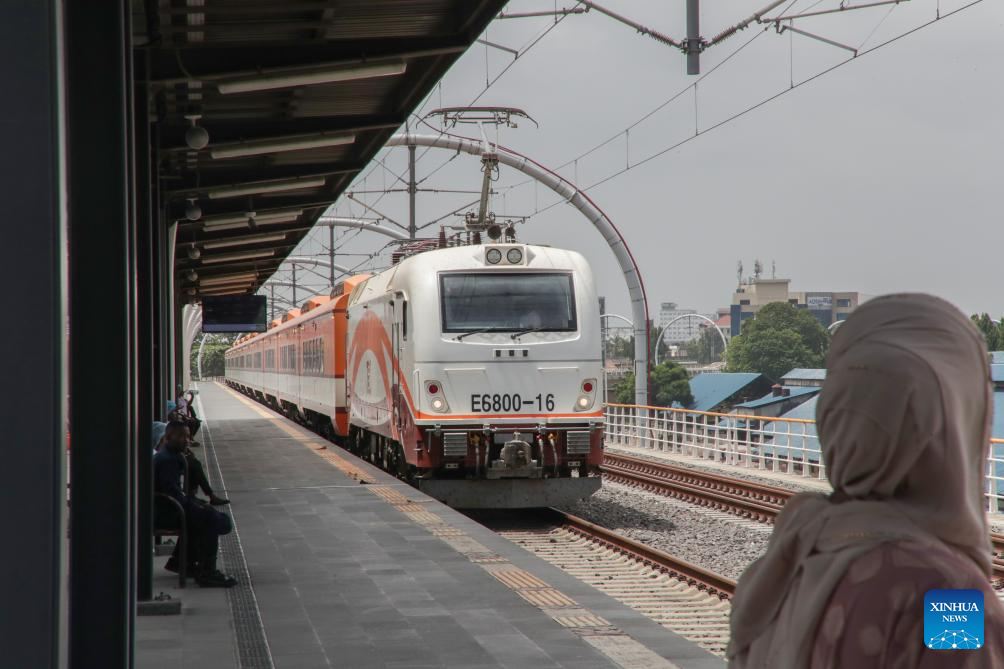
The SGR is one of Africa’s largest infrastructure investments and is designed to replace the ageing metre gauge network with a modern standard gauge electric railway capable of carrying passengers and freight at much higher speeds and volumes.
The SGR passenger service between Dar es Salaam and Dodoma has rapidly gained popularity since commercial operations started in 2024.
Prof Mbarawa told Parliament that between July 2025 and March 2026, TRC transported 2.51 million passengers on the SGR line, compared with 2.05 million passengers during the same period in 2024/25.
The figure represented a 22.4 percent increase.
He said approximately 280,000 passengers now travel monthly on the SGR service, equivalent to about 9,300 passengers daily.
The government expects more than three million passengers to be transported by the end of the 2025/26 financial year.
The minister said SGR operations generated Sh82.77 billion between July 2025 and March 2026 alone.
Total revenue collected since the launch of SGR passenger services in June 2024 had reached Sh169.37 billion.
Freight services on the electric railway have also started gaining momentum.
Prof Mbarawa said TRC officially launched SGR freight services in July 2025 between Dar es Salaam and Dodoma.
Between July 2025 and March 2026, the corporation transported 102,452 tonnes of cargo on the line.
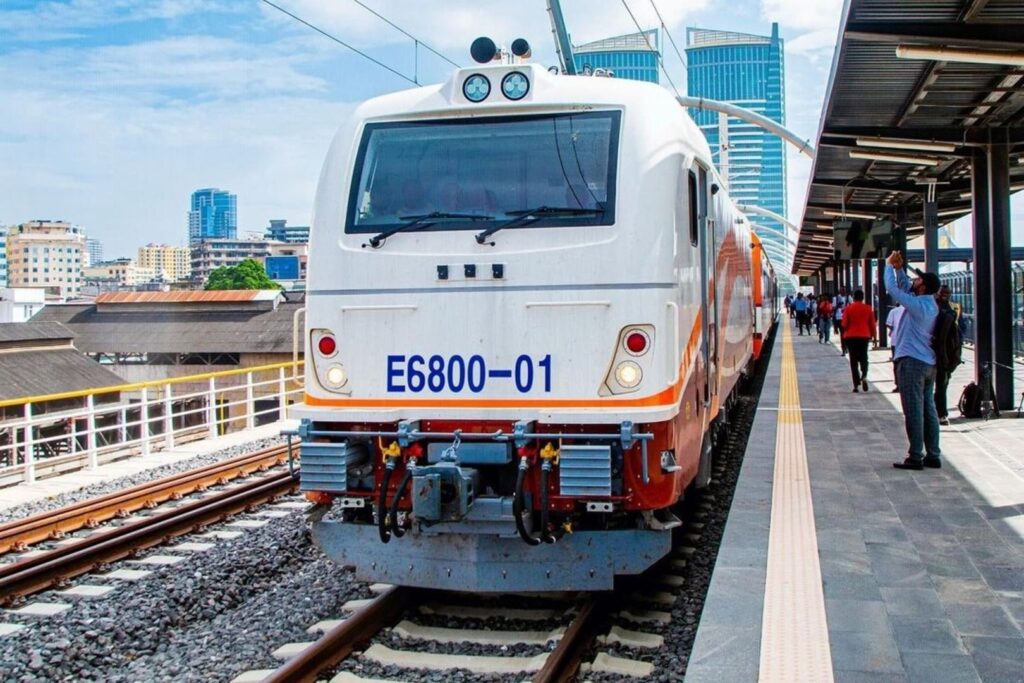
The government is also integrating the SGR with ports and the older metre gauge network to improve logistics efficiency.
Construction of the SGR port link entering Dar es Salaam Port had reached 99.7 percent by March 2026, while freight train trials were continuing.
TRC is also building a dedicated loading platform inside the port area to speed up cargo movement.
The government is further connecting SGR and metre gauge lines at Ruvu and Bahi to facilitate cargo transfers between the two systems.
The SGR project itself continues expanding.
According to the minister, the Dar es Salaam-Morogoro and Morogoro-Makutupora sections are substantially complete and operational.
Construction of the Mwanza-Isaka section had reached 68.77 percent by March 2026.
The government also secured a concessional loan worth $1.277 billion to accelerate works on the Makutupora-Tabora and Tabora-Isaka sections after earlier implementation delays.
Tazara
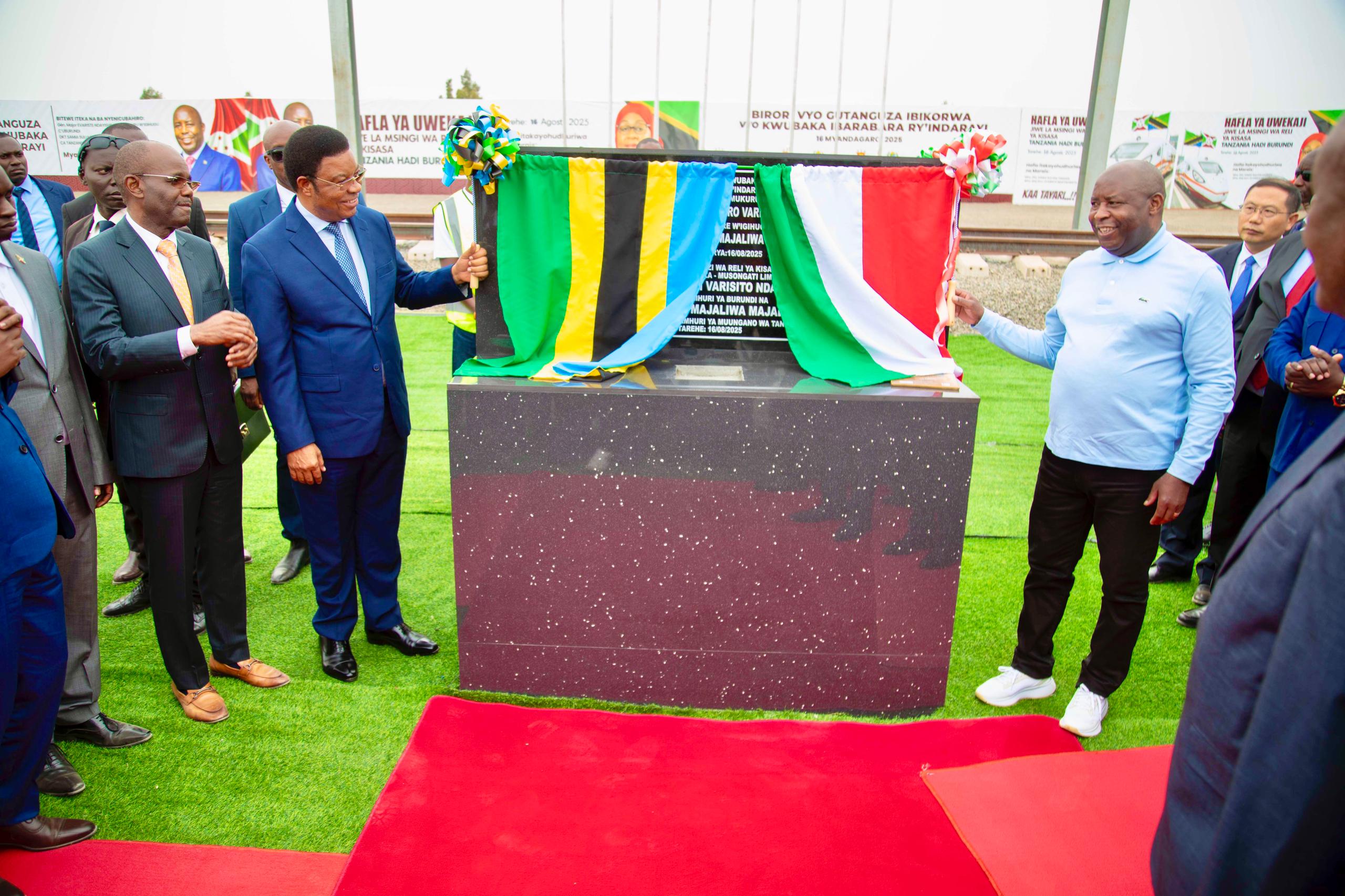
Beyond TRC, the government is also pursuing revival of the TAZARA railway linking Tanzania and Zambia.
Prof Mbarawa said Tanzania and Zambia signed a concession agreement in September 2025 with China Civil Engineering Construction Corporation to rehabilitate and modernise TAZARA at a cost of $1.4 billion.
The project is expected to raise cargo capacity to 2.4 million tonnes annually and create about 100,000 jobs.
The minister said the railway sector’s recovery demonstrated the impact of sustained investment in transport infrastructure.
For decades, rail transport in Tanzania symbolised decline and inefficiency.
Now, after years of heavy public investment and institutional reforms, TRC appears to be moving from dependence and losses towards commercial sustainability driven largely by the electric SGR network.