

Dodoma. Tanzania has unveiled an ambitious plan to transform its livestock and fisheries sectors through large-scale investment, modern technology and expanded participation of young people and women as the government seeks to boost production, exports and jobs.
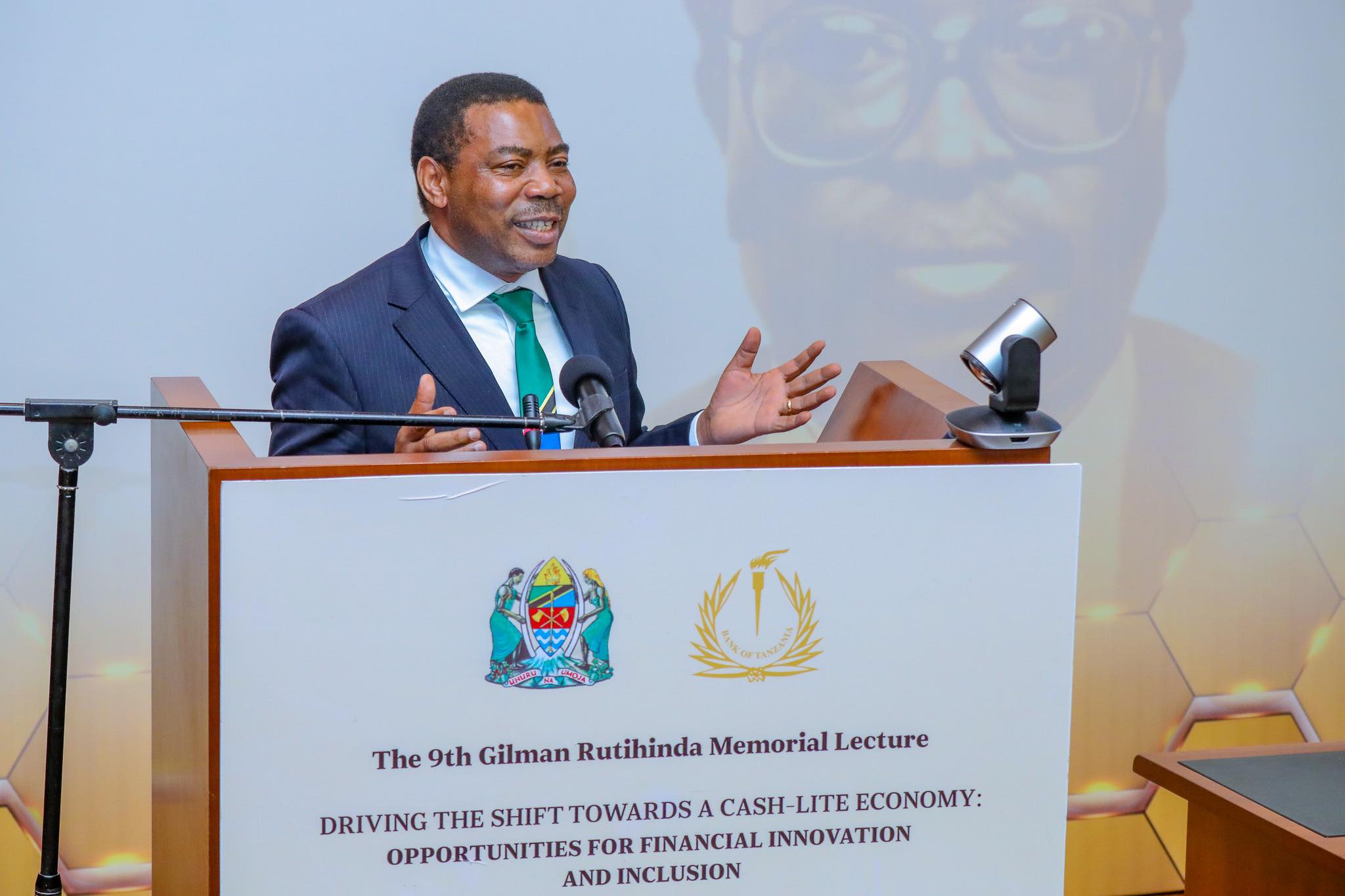
Tabling the ministry’s 2026/27 budget proposals in Parliament on Thursday, May 14, 2026 the minister for Livestock and Fisheries, Dr Bashiru Ally Kakurwa, said the government intends to reposition the two sectors into major pillars of economic growth through commercialisation, value addition and stronger private sector participation.
The Sh433.38 billion budget will be key in implementing the broad reform agenda targeting livestock production, aquaculture, deep-sea fishing, processing industries and export trade.
“The proposals build on ongoing reforms under the Fourth Five-Year Development Plan, the Agriculture Master Plan 2050 and the National Blue Economy Policy of 2024,” Dr Kakurwa noted.
He added that the strategy also aligns with the Livestock Sector Transformation Plan and the Fisheries Sector Master Plan.
At the centre of the new strategy is the government’s intention to use the Build Better Tommorro (BBT) programme to empower youth and women to enter commercial livestock keeping, fishing and aquaculture.
“The BBT programme will be strengthened to equip young people and women with skills, capital and opportunities for self-employment across livestock and fisheries value chains,” Dr Kakurwa noted.
The government has already injected Sh7 billion into projects enabling 308 young people to invest in cage fish farming, seaweed cultivation, sea cucumber farming and crab fattening.
In addition, the ministry received Sh23.69 billion provided to facilitate concessional loans for youth investing in livestock and fisheries businesses.
By April 2026, the ministry had received 3,004 applications from youth seeking financing through the initiative.
The ministry’s blueprint also places significant emphasis on modernising fishing activities and expanding the blue economy.
The government plans to strengthen the Tanzania Fisheries Corporation (TAFICO) through investment in deep-sea fishing vessels, cold chain systems, fish processing facilities and fishing ports.
Under the 2026/27 plan, TAFICO will acquire two additional deep-sea fishing vessels as part of a broader strategy to enable Tanzania to exploit resources within its Exclusive Economic Zone.
The investment is intended to ensure Tanzanians benefit more directly from marine resources while increasing foreign exchange earnings.
The ministry also plans to complete construction of the Kilwa Masoko fishing port, undertake feasibility studies for a proposed Bagamoyo fishing port and expand fish landing sites and fish markets across the country.
Aquaculture has emerged as another major priority area.
“The ministry will continue strengthening eight aquaculture development centres in Ruvuma, Morogoro, Tabora, Tanga, Lindi, Mtwara, Dar es Salaam and Geita in order to raise production and improve extension services,” Dr Kakurwa explained.
During 2026/27, the government targets the production of more than 317 million fish fingerlings and over 53,800 tonnes of fish feed.
Another 15 million fingerlings will be stocked into natural water bodies to improve fish availability. Extension services are expected to reach 20,000 aquaculture farmers nationwide.
Seaweed farming will also receive attention, with 2,500 farmers expected to receive training in value addition and product utilisation, alongside the installation of 10 offshore cages for pilot activities.
The ministry further intends to digitise fisheries management and improve formalisation of the industry through electronic registration systems and data collection tools.
In the livestock sector, the government plans to improve animal breeds, strengthen artificial insemination services, expand feed production and improve grazing land management.
The National Artificial Insemination Centre has already increased insemination services across 26 regions, with 74,345 cattle inseminated by April 2026 compared to 58,235 during the same period in 2024/25.
Dr Kakurwa said five government breeding farms currently hold 7,355 cattle and produced 826 improved heifers during 2025/26.
Private farms also produced more than 3,500 improved heifers.
Authorities are also banking on the poultry industry as a major source of employment, particularly for women and young entrepreneurs.
According to Dr Kakurwa, investment in poultry farms and hatcheries has continued to expand, with 83.9 million chicks produced and sold locally and internationally by April 2026.
The poultry industry has remained a leading source of employment opportunities for youth and women.
The livestock and fisheries sectors have also recorded rising export earnings.
By April 2026, Tanzania had exported nearly 38,000 tonnes of fisheries products worth more than Sh493 billion, generating royalties exceeding Sh13.4 billion.
Annual per capita fish consumption also rose by 27.8 percent from 7.9 kilogrammes to 10.1 kilogrammes.
Meat exports reached 12,763 tonnes worth $54.65 million during the same period, up from 9,913 tonnes in 2024/25.
Tanzanian meat products were exported to markets including Bahrain, Kenya, Kuwait, Oman, Qatar, Saudi Arabia and Vietnam.
Milk processing and domestic sales also increased to more than 101 million litres valued at Sh152.2 billion, while imports of dairy products declined due to rising domestic processing capacity.
Leather processing, livestock feed production and fish processing industries are expected to expand further under the new investment drive.
In preparation for the reforms, the government is reviewing livestock and fisheries laws and regulations to match changing economic and technological conditions.
In the budget Dr Kakurwa said the ministry is proposing the establishment of a Fisheries Resources Management Authority to strengthen oversight, revenue collection and sustainable resource management.
The government additionally plans to merge the Tanzania Meat Board and the Tanzania Dairy Board into a single institution that will oversee all livestock products and coordinate production, processing, trade and marketing activities.
The budget proposals also indicate that the ministry expects to collect Sh166 billion in revenue during 2026/27, with Sh94.5 billion projected from livestock activities and Sh71.5 billion from fisheries.
The ministry’s previous budget for 2025/26 stood at Sh476.66 billion, including Sh101.52 billion for recurrent expenditure and Sh375.14 billion for development expenditure.
Of the recurrent budget, Sh47.26 billion was allocated to salaries while Sh54.25 billion covered other operational costs.
Development projects were financed through domestic and external funds under programmes including the Agricultural and Fisheries Development Programme (AFDP), the Agricultural Sector Development Programme Phase Two (ASDP II) and the IMF-supported Extended Credit Facility arrangement.
“The long-term goal is to build modern, commercially viable and climate-resilient livestock and fisheries industries capable of increasing food security, creating jobs and boosting Tanzania’s export earnings,” he noted.