
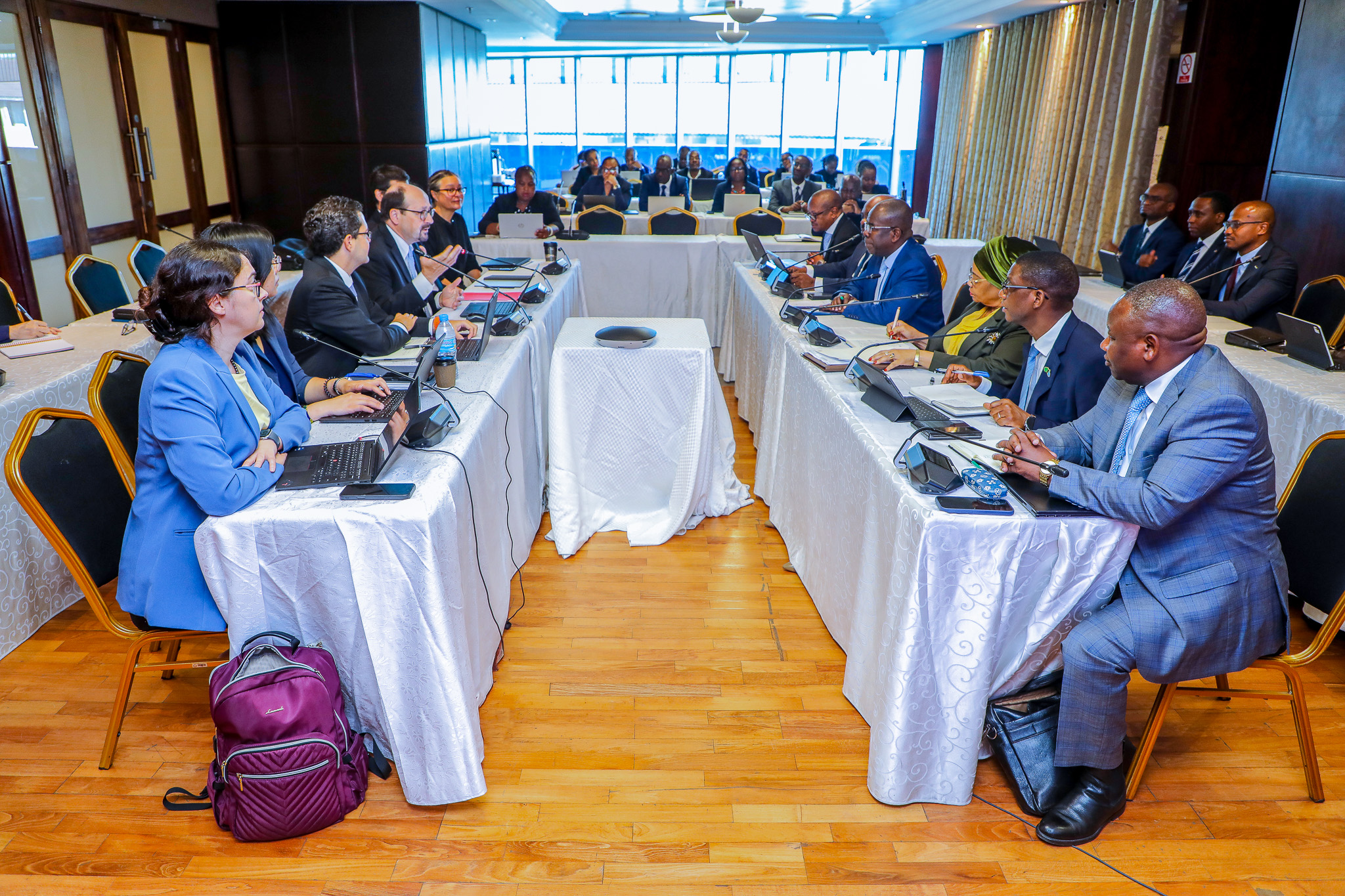
Dar es Salaam. The International Monetary Fund (IMF) and the government of Tanzania have formalised a staff-level agreement regarding the final reviews of the Extended Credit Facility (ECF) and the Resilience and Sustainability Facility (RSF).
This milestone, announced following a mission led by Mr Nicolas Blancher, paves the way for Tanzania to access approximately $375.5 million in additional funding, subject to the approval of the IMF Executive Board.
The conclusion of these reviews signifies a robust performance under the current economic programmes.
Upon final approval, the total support provided to Tanzania will reach $1.052 billion through the ECF, aimed at bolstering productive sectors and social services, alongside $563.8 million via the RSF specifically dedicated to addressing climate change challenges.
This comprehensive financial package highlights the continued partnership between the international institution and the East African nation in fostering long-term economic stability.
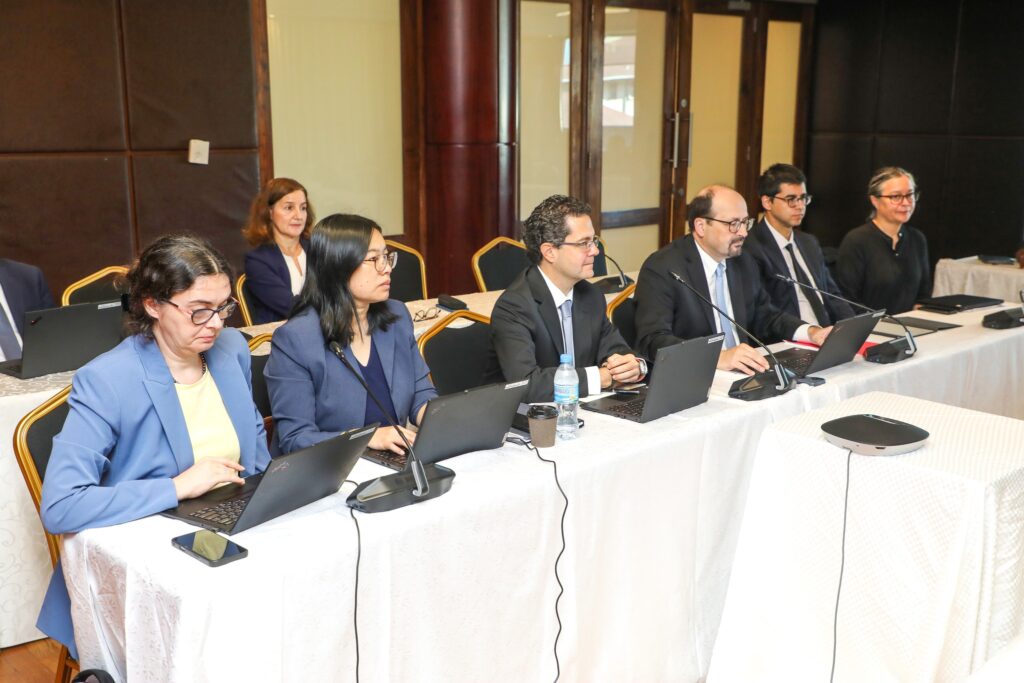
During the concluding session held at the Bank of Tanzania in Dar es Salaam, Mr Blancher expressed satisfaction with the progress made by the Tanzanian authorities.
The mission findings indicate that major economic objectives have been largely met, with growth remaining resilient and inflation staying well within the Bank of Tanzania’s target range of 3 percent to 5 percent.
Furthermore, the country has maintained adequate foreign exchange reserves and increased public spending in critical areas such as education and health, even as it scales up measures to build climate resilience.
Economic projections for Tanzania remain positive, with a forecasted growth rate of 5.9 percent for 2026.
The IMF commended the government’s strategic response to global economic headwinds, including geopolitical tensions in the Middle East, noting that disciplined fiscal and monetary policies have shielded the domestic economy from excessive volatility.
Mr Blancher emphasised that consistent budget execution, efficient tax collection, and the timely settlement of domestic arrears remain vital for sustaining private sector growth and protecting essential social protections.
Looking toward the horizon of the National Development Vision 2050, the IMF suggested that Tanzania is well-positioned to achieve its ambitious long-term goals.
To do so, the Fund advised continued reforms focused on enhancing human capital, improving the ease of doing business, and increasing private sector participation.
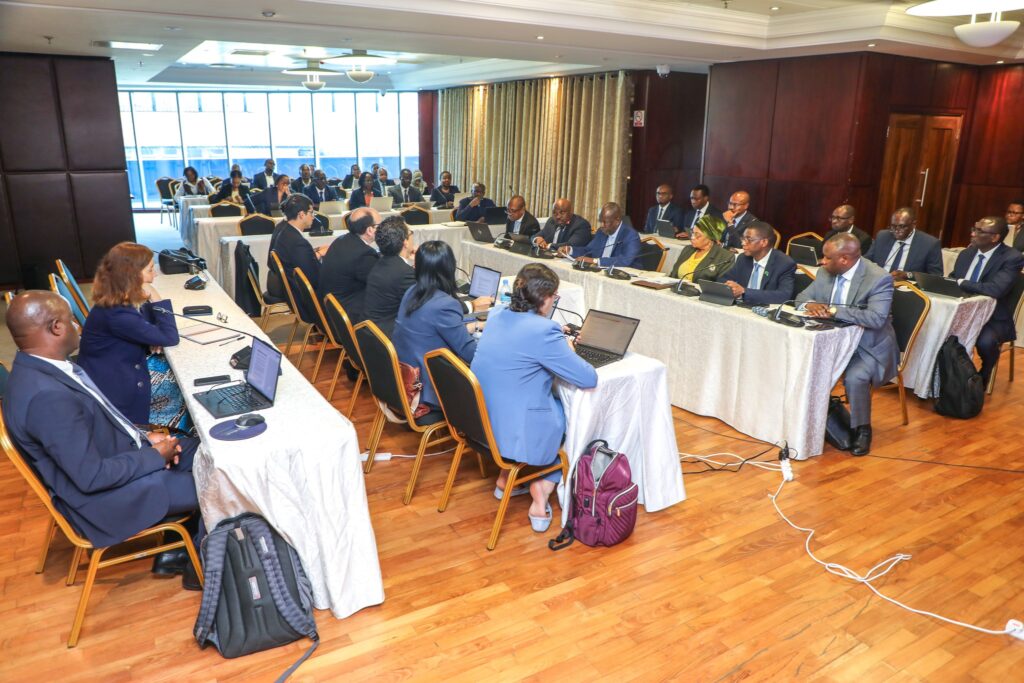
Strengthening public financial management and maintaining the independence of the central bank were also cited as essential components for ensuring that future growth remains both inclusive and sustainable.
Minister for Finance, Amb Khamis Mussa Omar, reaffirmed the government’s commitment to these reforms, assuring the IMF that the funds would be managed with strict oversight.
He noted that the primary objective remains the cultivation of a stable and inclusive economy that delivers tangible benefits to all citizens.
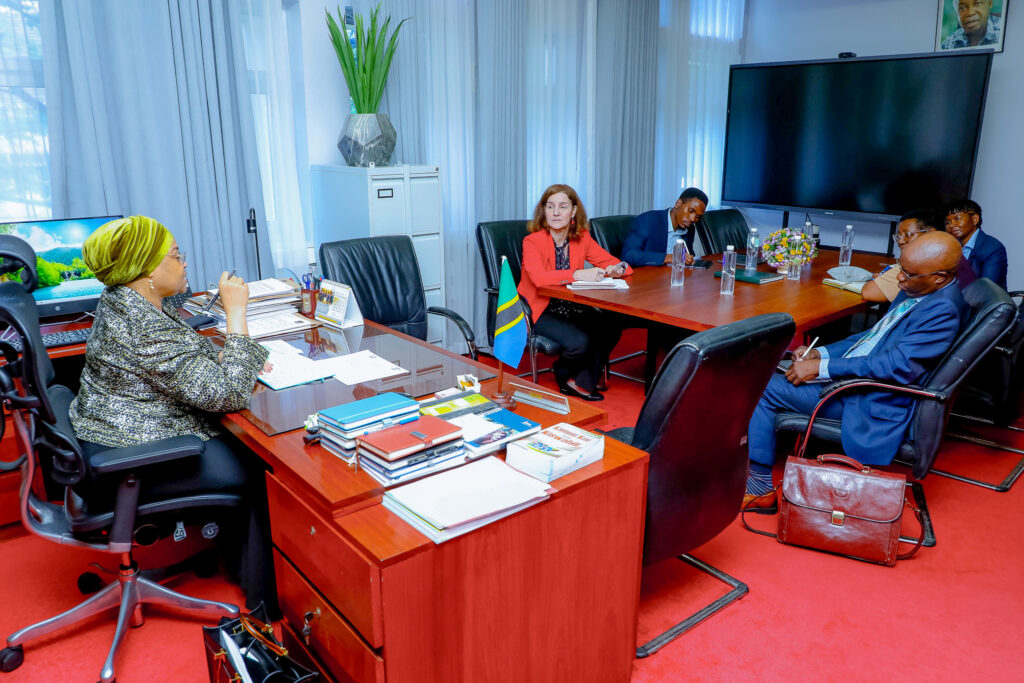
Parallel to these discussions, Permanent Secretary of the ministry of Finance, Dr Natu El-maamry Mwamba, met with IMF African Department Deputy Director Montfort Mlachila to discuss capacity development through AFRITAC East, focusing on upskilling experts within the Treasury, the Bank of Tanzania, and the Tanzania Revenue Authority to meet evolving global economic challenges.