
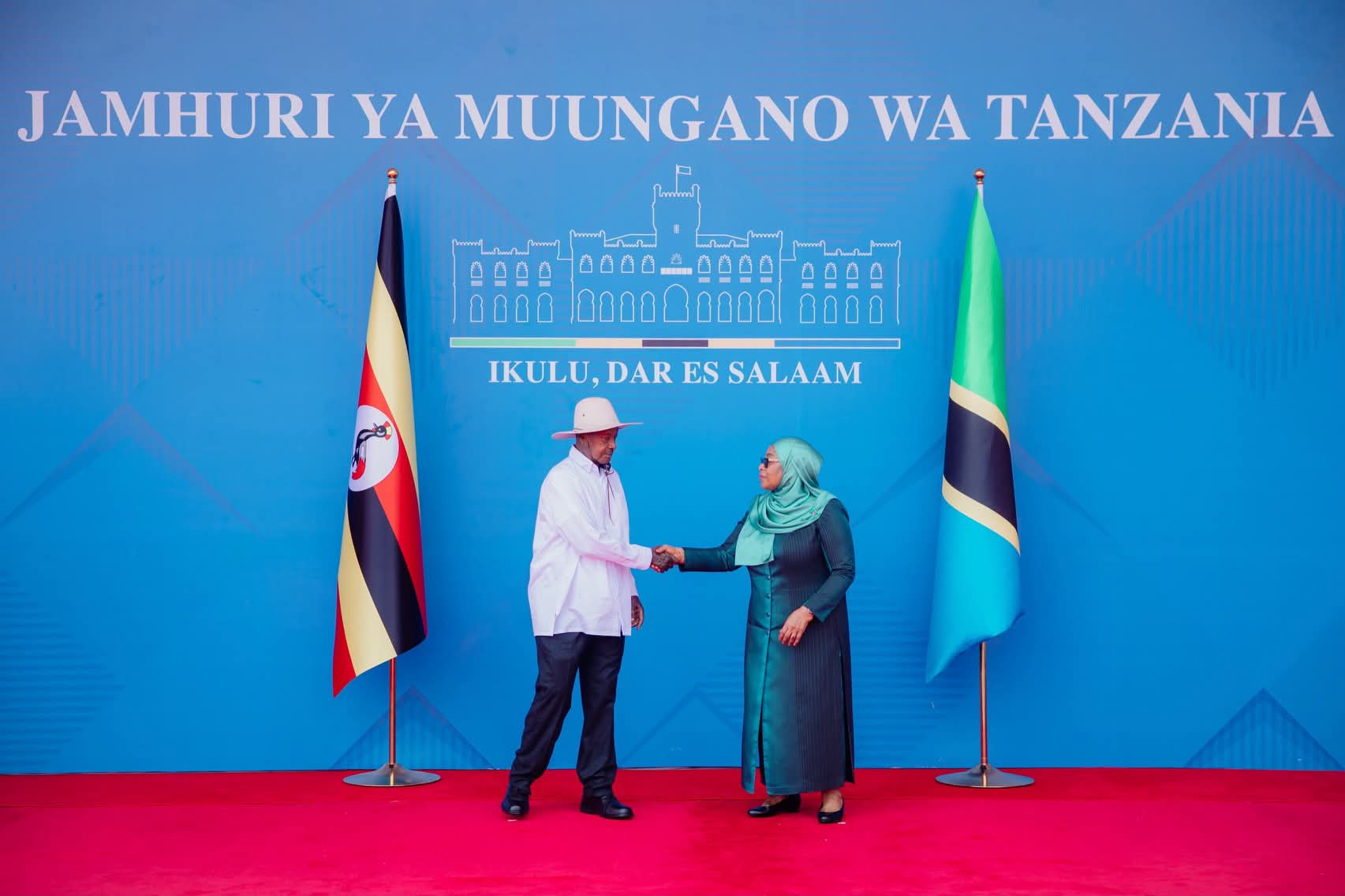
Dar es Salaam. Tanzania and Uganda have signed a landmark Memorandum of Understanding (MoU) to make Tanga East Africa’s regional energy hub, positioning the northern port city as the centrepiece of the region’s future energy industry.
The agreement, signed at the State House in Dar es Salaam on Thursday, August 6, 2026, is expected to transform the regional energy landscape by attracting investments exceeding $20 billion while expanding value addition across the petroleum sector.
The signing ceremony was witnessed by President Samia Suluhu Hassan and her Ugandan counterpart Yoweri Kaguta Museveni.
The minister for Energy, Deogratius Ndejembi, described the agreement as a strategic milestone that demonstrated Africa’s ability to cooperate as equal partners in planning, financing and implementing major development projects with shared economic benefits.
He said the partnership builds on the success of the approximately $6 billion East African Crude Oil Pipeline (EACOP), launched in 2017 by Tanzania, Uganda and their partners, and marks the next phase of regional energy integration.
Mr Ndejembi said Tanga had been selected because of its strong technical, economic and environmental advantages, as well as its strategic location within East Africa.
He said the objective now extends beyond transporting crude oil to establishing an integrated energy economy centred on petroleum refining, storage, trading, transportation, industrial development, employment creation and regional commerce.
“The next phase is not simply about moving crude oil. It is about building an economy that adds value to these resources and creates wider opportunities for industries, businesses and communities across the region,” he said.
The minister said the initiative fulfils President Samia’s vision of positioning Tanga as East Africa’s leading oil and energy hub while strengthening regional economic integration.
He added that Tanzania would continue working closely with development partners and private investors to accelerate infrastructure development and unlock Africa’s economic potential through strategic investments in the energy sector.
The agreement is expected to reinforce Tanzania’s growing role as a regional logistics and energy gateway following the development of EACOP, which links Uganda’s oil fields to the Port of Tanga for export to international markets.
The planned regional energy hub is expected to support downstream petroleum activities, improve energy security, stimulate industrialisation and create thousands of employment opportunities while enhancing trade across East Africa.