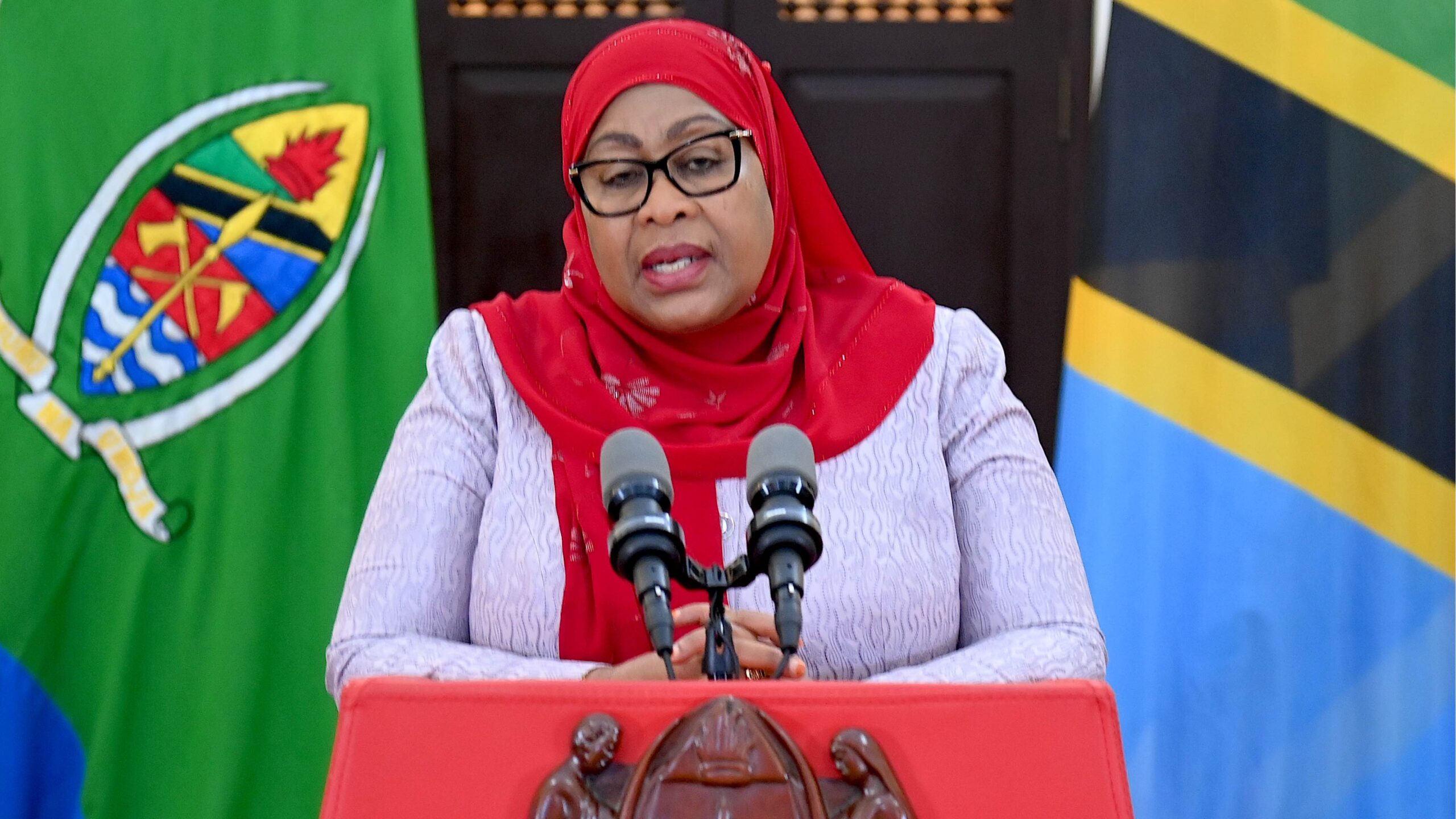

Dodoma. Tanzanian President Samia Suluhu Hassan has said the relocation of villagers from the Ngorongoro crater will continue to rescue the conservation site from total destruction.
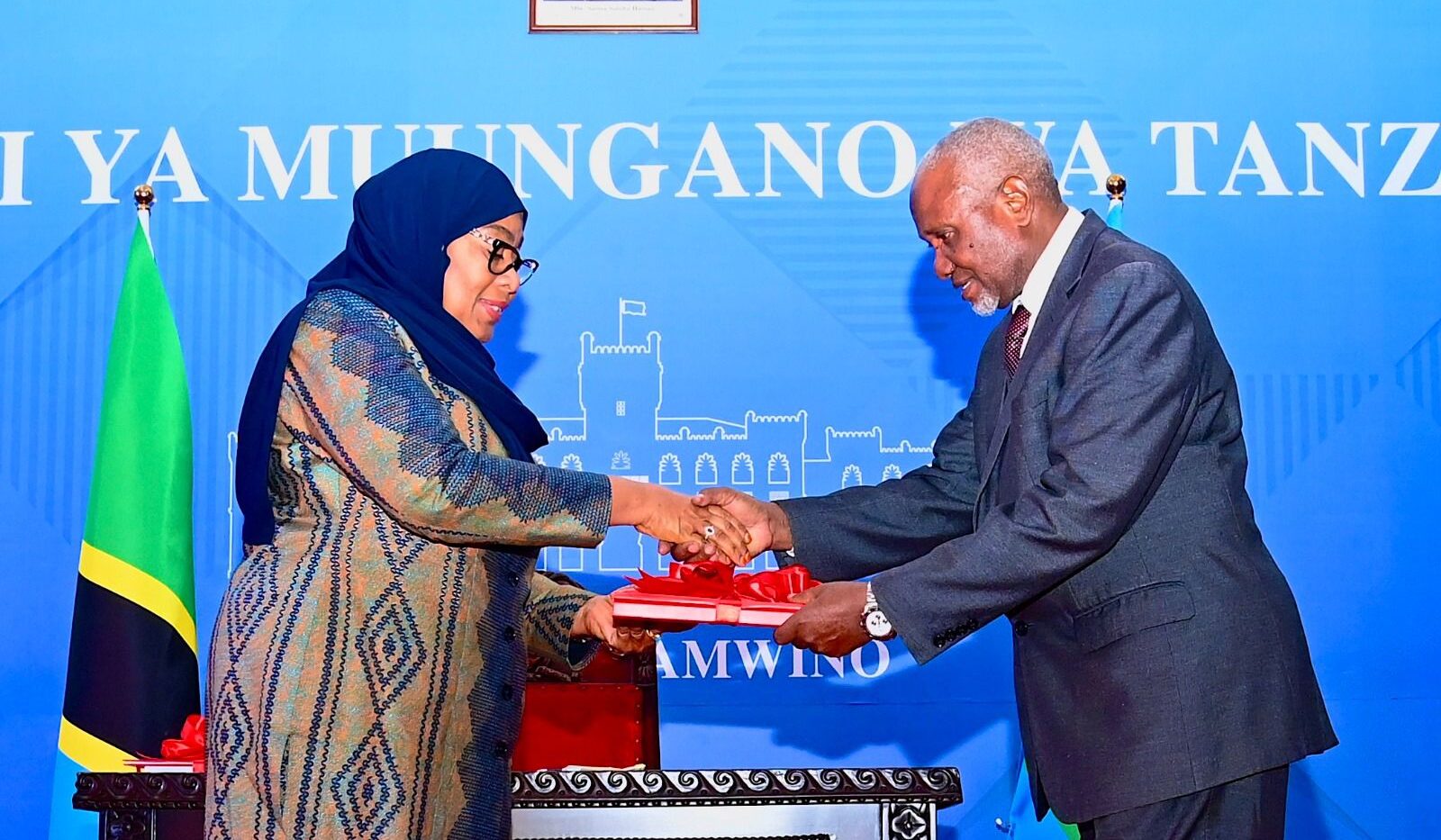
Speaking as she received reports containing the findings of the Presidential Commission for the Assessment of Land Disputes in the Ngorongoro Conservation Area and the Presidential Commission for the Assessment of the Voluntary Relocation Exercise of Ngorongoro Conservation Area Residents on March 12, 2026, President Samia underscored the gravity of the environmental crisis facing the region.
The two reports, presented by their respective chairmen, Justice Gerald Ndika and Mr Musa Iyombe, highlighted a series of challenges facing villages in the Ngorongoro ecosystem and the relocation exercise that they said should be worked upon.
“The government will rectify the challenges that have emerged during the voluntary relocation exercise for Ngorongoro residents,” President Samia said.
She emphasised that Ngorongoro remains a national treasure of incomparable value to global biodiversity and early human history.
She noted that the ecosystem is under immense pressure due to rapid human population growth, which has expanded from approximately 9,000 residents in 1959 to over 100,000 today.
She warned that without decisive intervention, the area faces the risk of irreversible ecological collapse.
“Ngorongoro runs the risk of being extinct,” the President said.
She further explained that the preservation of this site is essential for Tanzania’s tourism economy and its international standing as a guardian of global heritage.
The two commissions were established to provide an impartial assessment of persistent land-use conflicts and the ongoing voluntary relocation process.
Their reports identified several systemic issues, including the conflict between traditional pastoralist lifestyles and strict conservation regulations, and the encroachment of settlements into vital wildlife corridors and water sources.
The reports also noted significant gaps in the coordination and implementation of the voluntary relocation programme, alongside concerns regarding ineffective communication with local communities, which contributed to misunderstandings and resistance.
President Samia acknowledged the shortcomings revealed by the investigations and pledged that the government would refine its approach to ensure a more humane and effective transition for the residents.
She confirmed that while the voluntary relocation programme would proceed, it would be subject to major administrative improvements.
“When Tanzania faces challenges, it is up to us as Tanzanians to come together, analyse them, and find solutions collectively,” the President remarked.
She instructed the Prime Minister’s Office to take direct charge of these reforms, ensuring that the transition process prioritises the welfare of the affected citizens.
The government maintains that moving the population is the only viable strategy to protect the long-term integrity of the crater.
Resettlement efforts have been focused on areas like Msomera in the Tanga region, where the state aims to provide improved access to schools, medical clinics, and modern housing.
President Samia expressed her firm belief that the current path, while difficult, is necessary to secure the future of both the indigenous Maasai communities and the natural environment.
She concluded by urging all stakeholders, including local leaders and national authorities, to work with integrity to implement the findings of the reports.
The government intends to use these recommendations to guide future policies that balance human rights with the stewardship of Tanzania’s natural wonders.