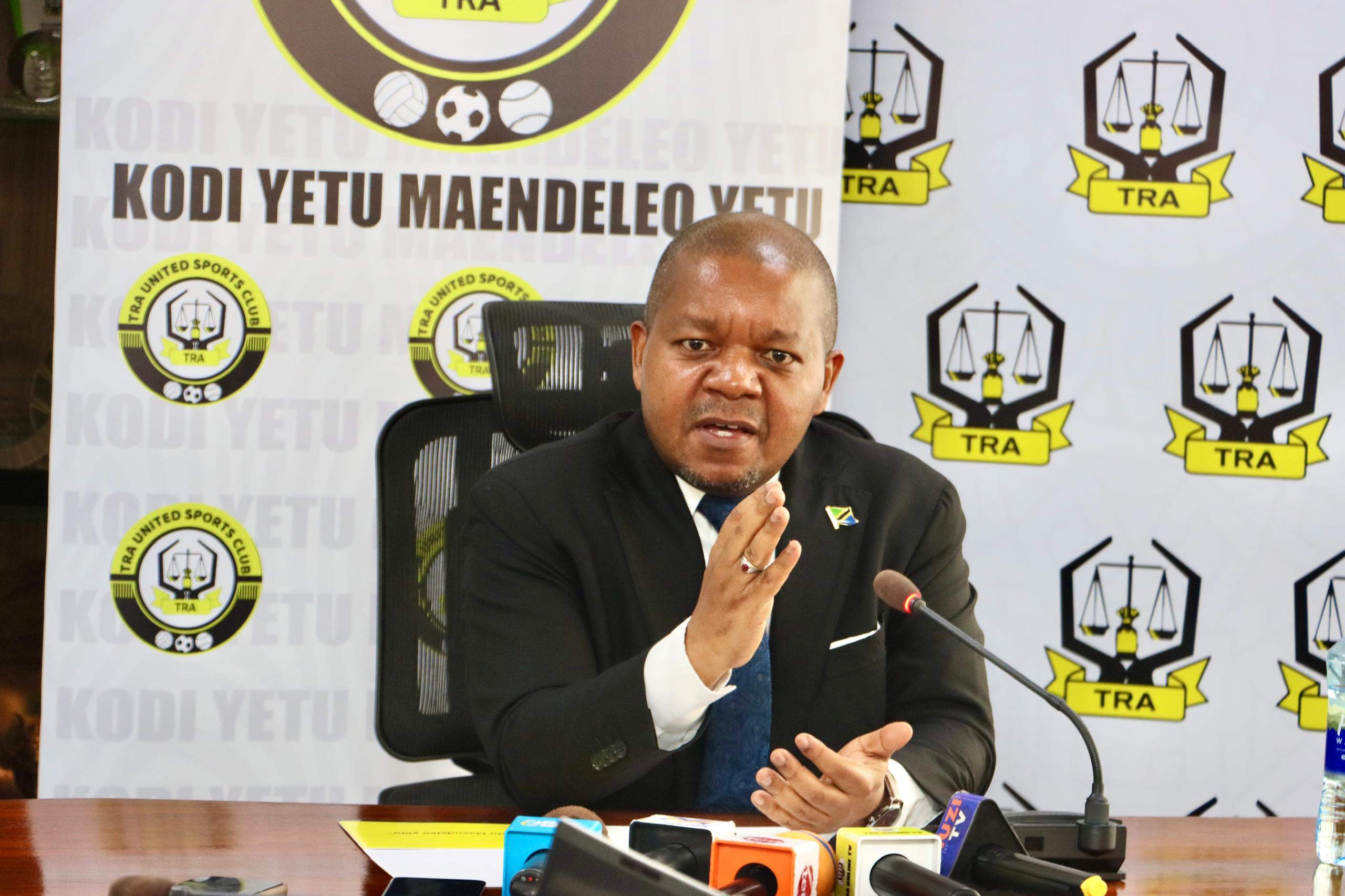

Dodoma. The ministry of Minerals has requested Sh174.98 billion for the 2026/27 financial year, with the bulk of funds directed towards recurrent expenditure and strategic development activities aimed at strengthening exploration, regulation and revenue collection.
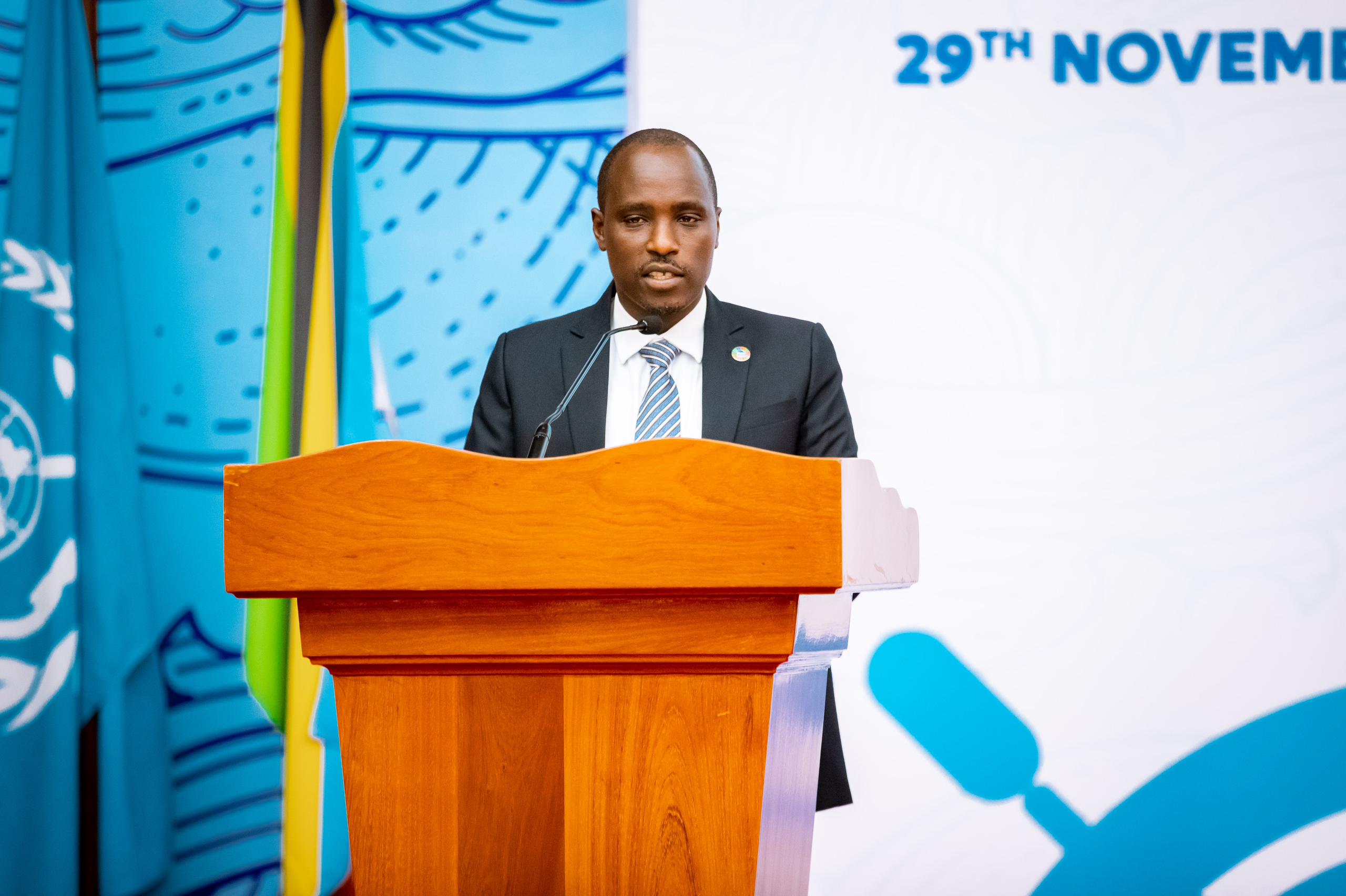
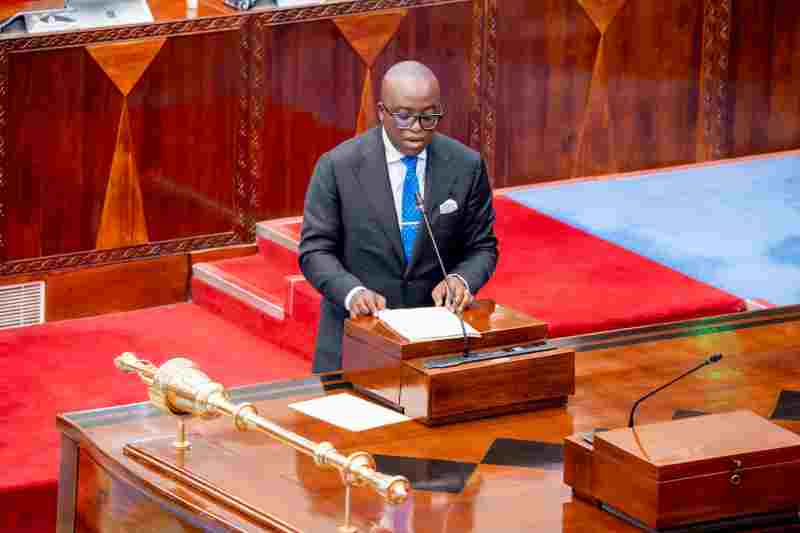
Presenting the budget estimates in Parliament on April 27, the minister for Minerals, Anthony Mavunde, outlined that Sh174,983,580,000 is required to finance its operations and programmes for the coming financial year
“Of this amount, Sh103,475,872,000, equivalent to 59.13 percent, has been allocated to recurrent expenditure,” Mr Mavunde noted.
Within the recurrent budget, Sh27,365,095,000 has been earmarked for salaries, while Sh76,110,777,000 will cover other operational expenses across the ministry and its institutions.
Development spending has been set at Sh71,507,708,000, representing 40.87 percent of the total budget.
“The funds will support priority projects intended to expand geological knowledge, strengthen mineral governance and improve participation of local investors in the mining value chain,” Mr Mavunde noted.
Alongside expenditure plans, the ministry has set an ambitious revenue collection target of Sh1.406 trillion for the 2026/27 financial year.
The target reflects continued efforts to expand revenue sources, enhance monitoring of mining operations and reduce illegal mineral trade.
Key spending priorities for the coming year include expanding advanced geological surveys.
Through the Geological Survey of Tanzania, the ministry plans to conduct high-resolution airborne geophysical surveys aimed at increasing detailed geophysical coverage from the current 16 percent to 34 percent.
This expansion is expected to improve knowledge of mineral potential and attract new investment into the sector.
The ministry will also continue implementing the Mining for a Brighter Tomorrow (MBT) programme, a five-year initiative running from 2025/26 to 2029/30.
The programme seeks to increase participation of youth, women and people with special needs in mining activities and value addition enterprises.
Further allocations will support institutional strengthening across agencies under the ministry, including the Mining Commission, the Geological Survey of Tanzania, the State Mining Corporation, the Tanzania Gemological Centre and the Extractive Industries Transparency and Accountability institution.
These agencies are expected to receive equipment, operational support and resources to improve service delivery and regulatory oversight.
Additional focus will be placed on empowering small-scale miners through technical support, access to equipment and expansion of demonstration centres in mineral-rich regions.
Authorities also intend to encourage private sector participation in equipment leasing services to improve productivity among small operators.
The ministry further plans to intensify monitoring of mineral markets and strengthen enforcement of mining laws to curb smuggling and illegal trade, while ensuring improved compliance among licence holders.