
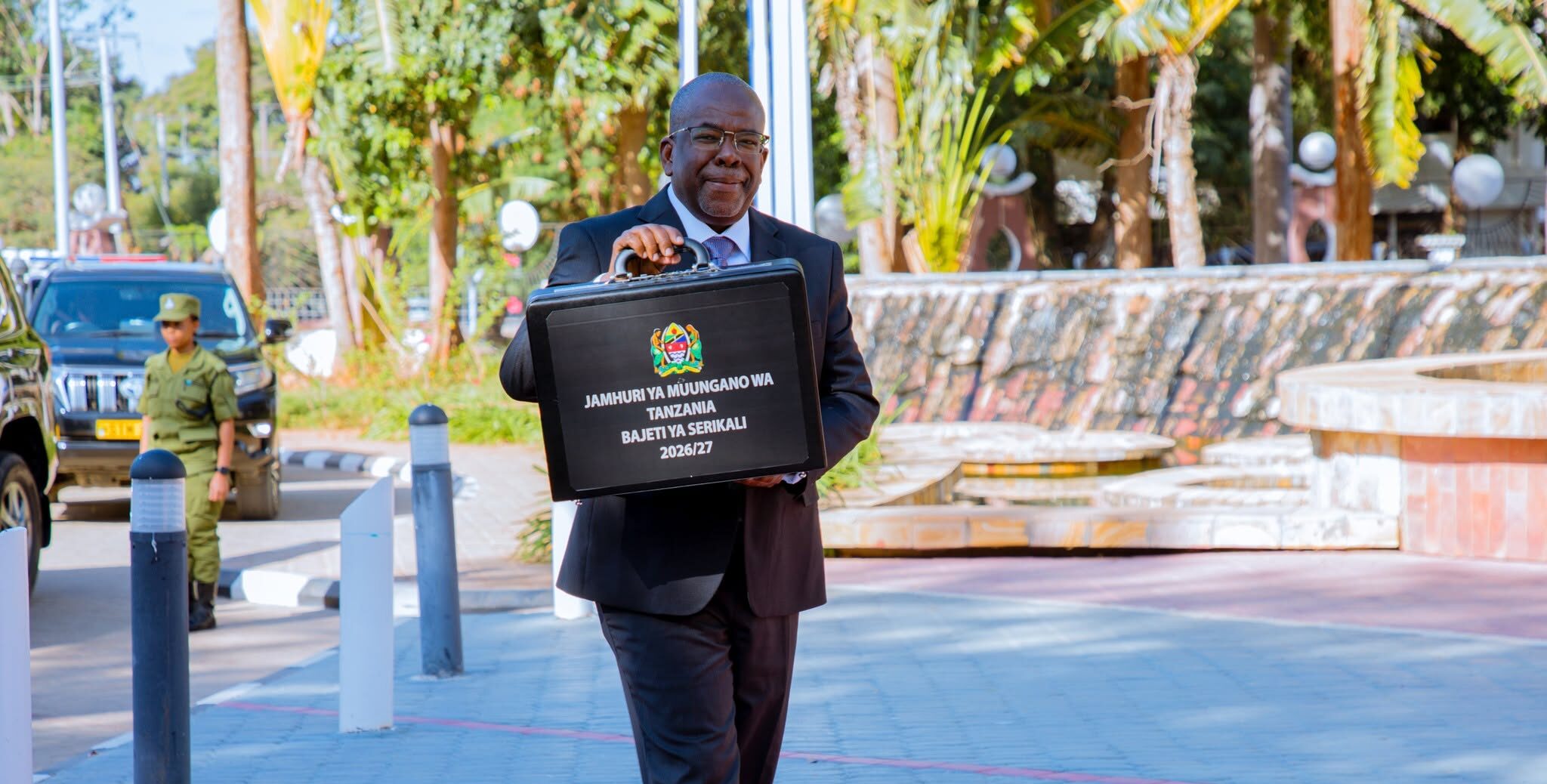
Dodoma. The Tanzanian government has unveiled a far-reaching package of tax, fee and regulatory reforms aimed at widening the revenue base, improving the business environment in selected sectors and mobilising additional resources for priority national programmes, including Universal Health Coverage (UHC).
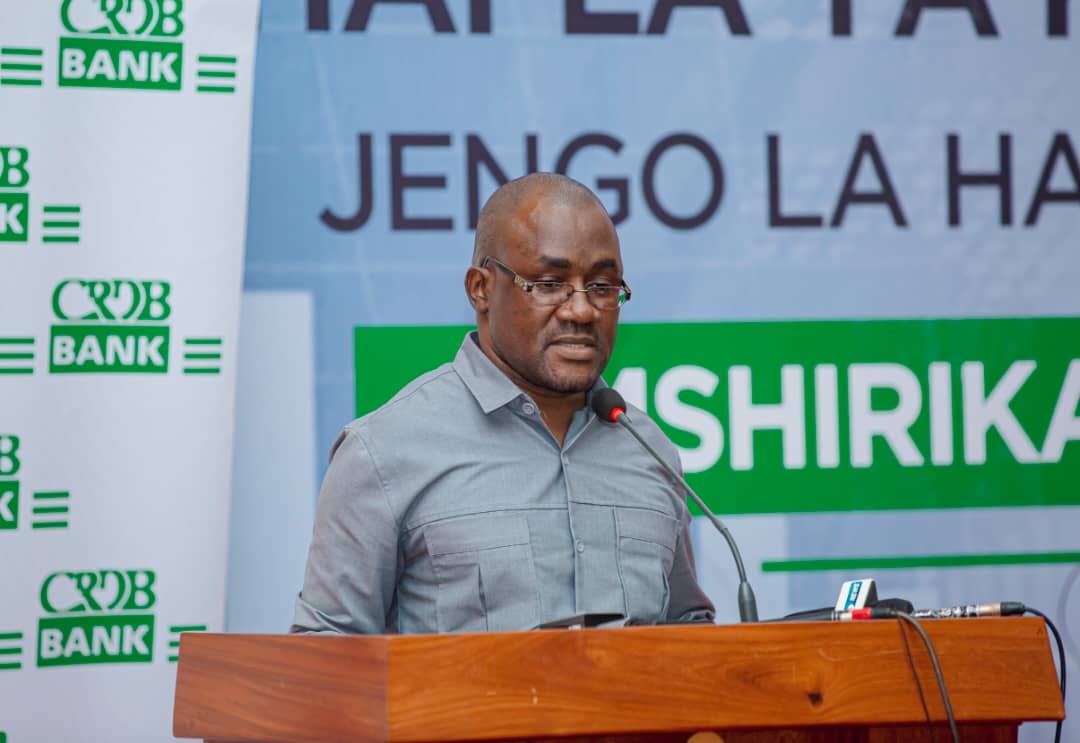
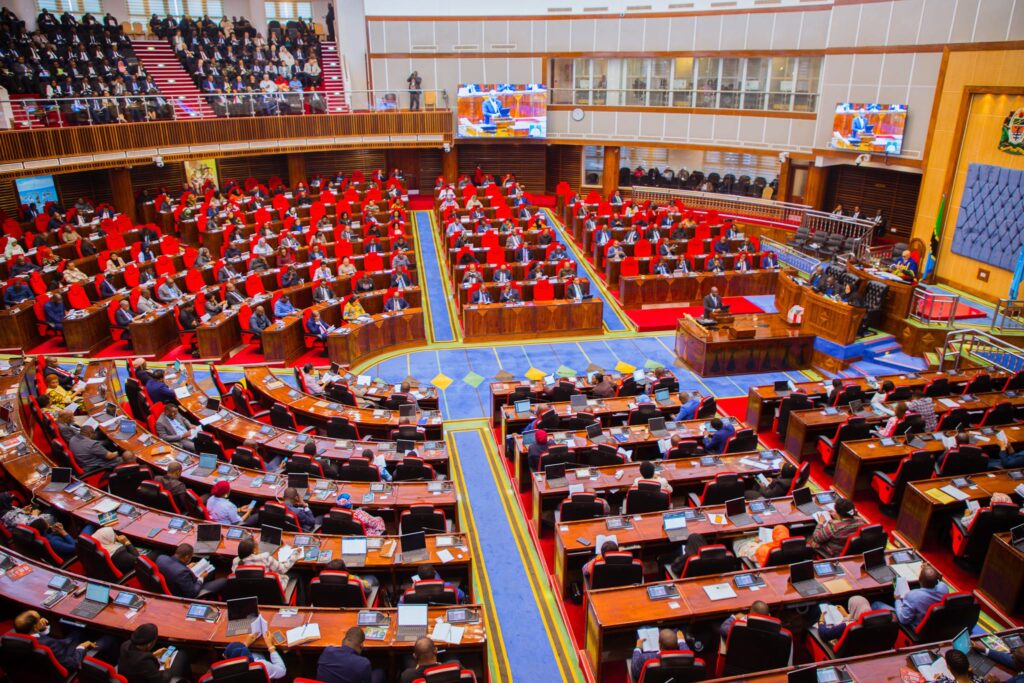
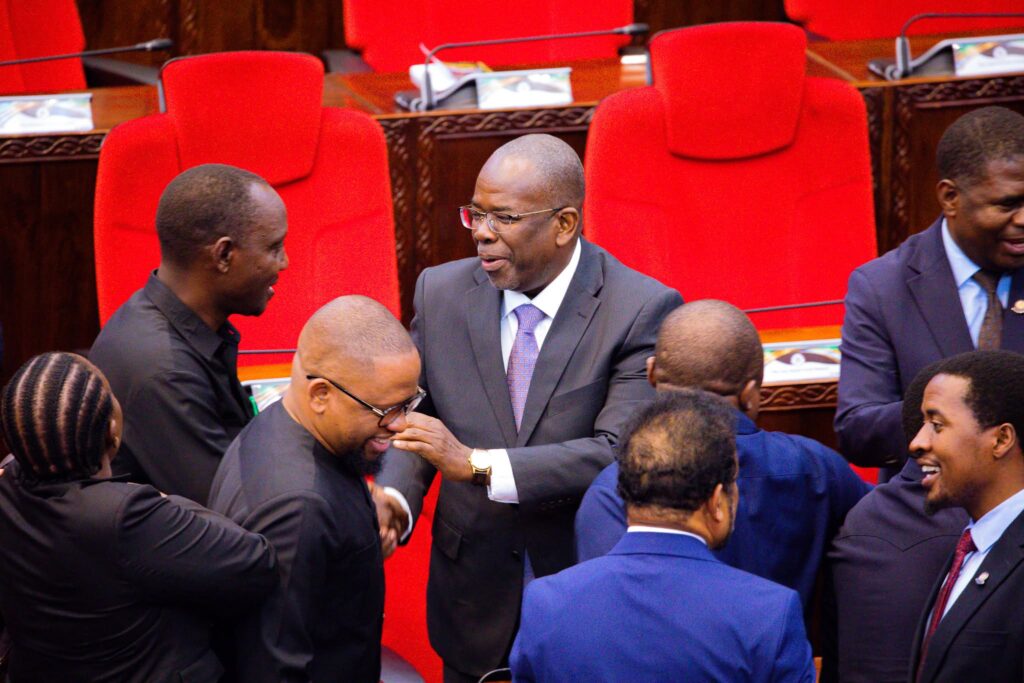
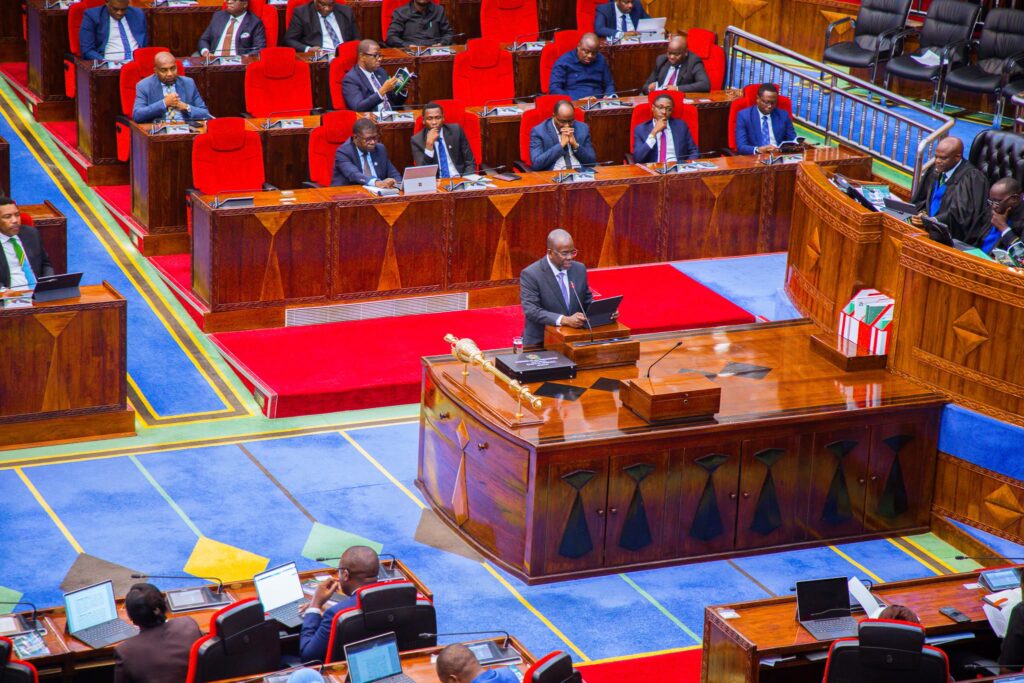
The measures, announced on Thursday, June 11, 2026, by the Minister for Finance, Ambassador Khamis Mussa Omar, form part of the Sh62.33 trillion national budget for the 2026/27 financial year tabled before Parliament in Dodoma.
The changes touch a broad spectrum of the economy, ranging from company registration and digital content services to transport, fisheries, environmental management and health financing.
In one of the most significant reforms affecting businesses, the government proposed amendments to the Companies (Fees Payable to the Registrar) Regulations, introducing a more detailed fee structure based on a company’s nominal share capital.
Ambassador Omar told Parliament that companies with a nominal share capital of more than Sh20,000 but not exceeding Sh1 million would pay a registration fee of Sh95,000, while those with capital ranging between Sh1 million and Sh5 million would be charged Sh175,000.
“For capital limits between Sh5 million and Sh20 million, the fee stands at Sh260,000,” he said.
Under the new structure, companies with capital between Sh20 million and Sh50 million will pay Sh290,000, while firms with capital exceeding Sh50 million but not more than Sh100 million will be charged Sh400,000.
Larger enterprises will face higher registration costs, with fees ranging from Sh450,000 for companies with capital between Sh100 million and Sh500 million to Sh1 million for companies whose capital exceeds Sh10 billion.
Foreign companies operating in Tanzania will continue to be subject to a separate fee schedule.
“The registration of a certified copy of any instrument defining the constitution of a foreign company will attract a fee of Sh2 million, while filing a balance sheet and other required documents will each cost Sh600,000,” the minister said.
He added that penalties for late filing or default would remain fixed at Sh70,000 per month or part thereof.
In a move likely to be welcomed by players in the digital economy, the government proposed substantial reductions in fees charged by the Tanzania Communications Regulatory Authority (TCRA) for online content services.
The application fee for an online content service licence has been reduced from Sh50,000 to Sh10,000, while the initial, annual and renewal licence fees have been cut tenfold from Sh500,000 to Sh50,000.
Similarly, the application fee for an Online Content Aggregator licence has been lowered from Sh100,000 to Sh20,000, while annual operating charges have fallen from Sh1 million to Sh100,000.
The government said the reductions are intended to lower compliance costs and encourage growth in Tanzania’s rapidly expanding digital content industry.
The budget also introduces a new fee structure for private museums, with Tanzanian citizens required to pay Sh50,000 for registration and supervision, institutions Sh100,000 and foreign citizens Sh500,000.
However, while some sectors stand to benefit from lower charges, others will face higher costs as the government seeks additional revenue to finance strategic investments.
Among the notable changes is an amendment to the Weights and Measures Agency Regulations, which increases the petroleum verification fee from Sh0.15 per litre to Sh1 per litre.
According to the minister, the measure is expected to generate approximately Sh21.96 billion to facilitate the acquisition of modern technological equipment used in fuel verification and monitoring.
The transport sector will also contribute more to government revenues following amendments to Road Traffic Regulations that raise motorcycle registration fees from Sh95,000 to Sh150,000.
The Treasury estimates the change will generate around Sh17.75 billion.
A key feature of the 2026/27 budget is the government’s continued effort to secure sustainable financing for Universal Health Coverage.
“Furthermore, the government has introduced new fiscal measures to finance Universal Health Coverage by amending the Excise (Management and Tariff) Act to increase the excise duty rate on cigarettes by Sh20 per mille,” Ambassador Omar told lawmakers.
The government has also proposed a sugar levy adjustment of Sh10 per kilogramme on both imported and locally produced sugar, with the proceeds earmarked for the health sector.
Additional charges have been introduced under the Registration and Identification of Persons Regulations, requiring citizens to pay Sh500 when verifying information in the National Identification Authority (NIDA) database and Sh1,000 for printed extracts.
Environmental compliance costs have also been revised under the National Environment Management Council (NEMC) Regulations.
Tourism and recreational facilities located within or adjacent to environmentally sensitive and protected areas will now be required to pay Sh2 million for establishments rated between three and five stars, while one- and two-star facilities will be charged Sh1 million.
The blue economy, which has become an increasingly important pillar of Tanzania’s economic strategy, is another sector targeted by the new revenue measures.
The government has restructured licence fees for the export and import of fish and fishery products, introducing differentiated charges for small-scale operators, large-scale enterprises and foreign investors.
Under the new schedule, Tanzanian small-scale operators dealing in fish skins and belly flaps will pay Sh500,000, while large-scale operators will be charged Sh1 million. Foreign operators will pay Sh3.5 million.
For fish heads, chests, off-cuts, frames, fish meal and fish oil, fees have been set at Sh750,000 for small-scale Tanzanian operators, Sh1.5 million for large-scale operators and Sh3.5 million for foreign nationals.
Commercial trading in dried fish products such as Kayabo and Ng’onda will similarly attract licence fees of Sh750,000 for small-scale local traders and Sh1.5 million for large-scale local operators.