
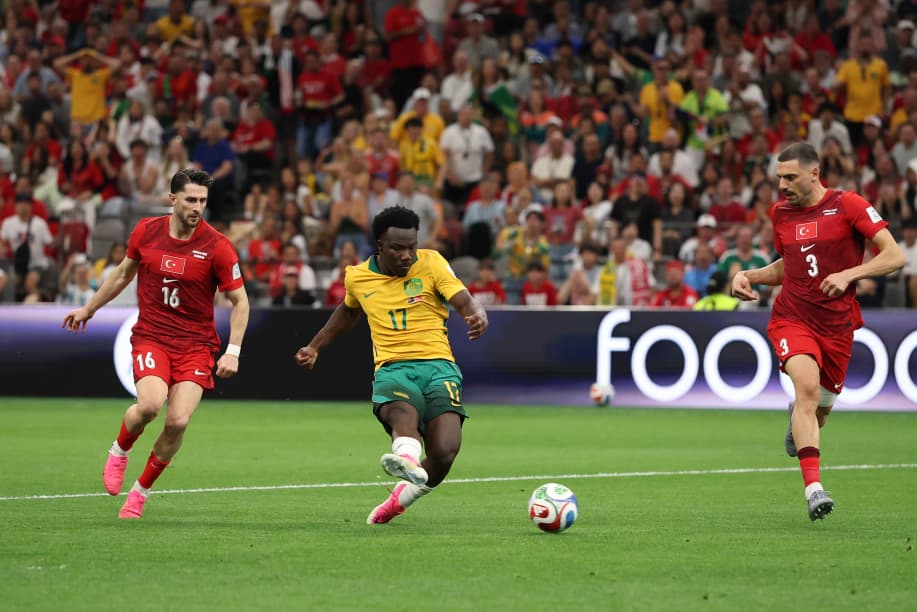
Nestory Irankunda has already etched his name into Australian football folklore, but his remarkable goal against Turkey at the 2026 FIFA World Cup was merely the latest chapter in a story that has been extraordinary from the very beginning.
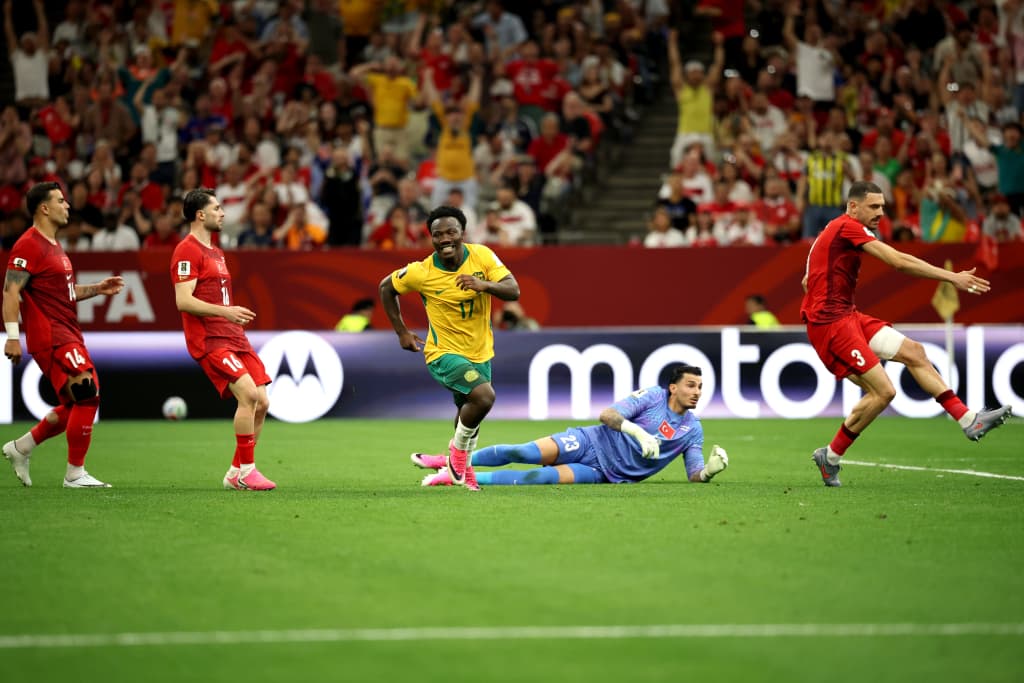
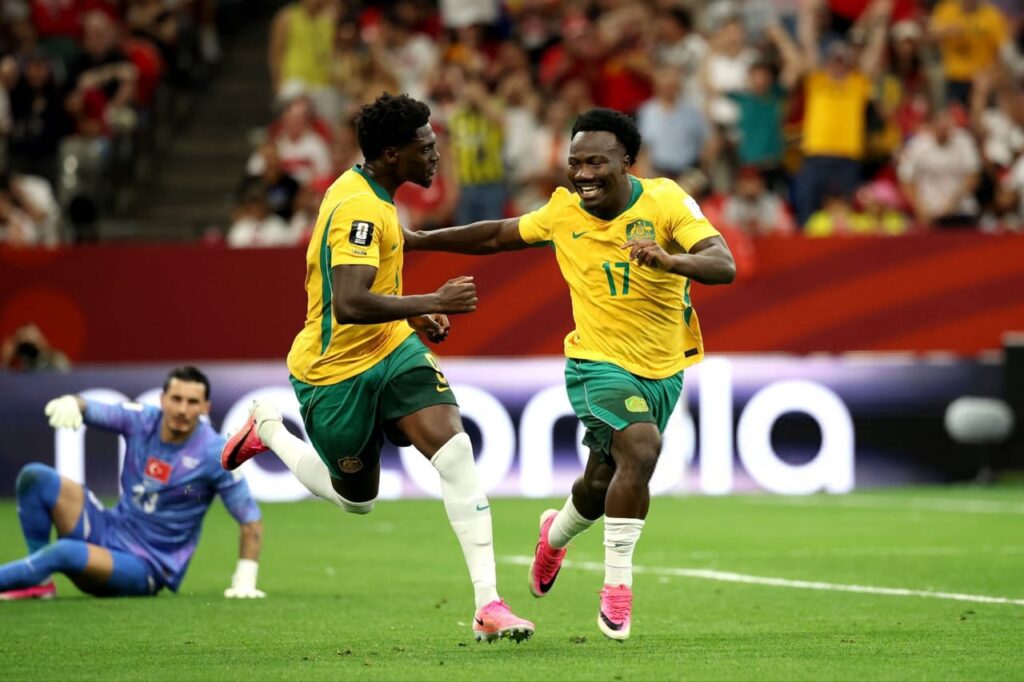
The 20-year-old Watford forward became the youngest Australian ever to score at a World Cup when he opened the scoring in the Socceroos’ impressive 2-0 victory over Turkey in Vancouver.
It was a moment that sparked celebrations among Australian supporters, but for Irankunda it represented far more than just a goal.
It was the culmination of years of sacrifice, determination and belief.
Moments after the final whistle, the young attacker struggled to contain his emotions.
“It is unreal and a dream come true,” he said.

For many footballers, reaching the World Cup is the pinnacle of a career.
For Irankunda, however, simply arriving on football’s biggest stage is a triumph in itself considering the extraordinary path he has travelled to get there.
Born in 2006 inside a refugee camp in Tanzania, Irankunda’s early life was shaped by circumstances far removed from the glamour and wealth associated with modern football.
His parents had fled Burundi during the country’s civil conflict, seeking safety and a better future for their family.
While still a young child, Irankunda and his family were granted the opportunity to settle in Australia, a country that would ultimately become his home and the nation he now proudly represents on the world stage.
Like countless youngsters before him, he discovered football in local communities and quickly developed a reputation as one of the brightest talents in the country. His explosive pace, powerful dribbling and eye for goal made him stand out from an early age.
His rise through the ranks at Adelaide United was rapid.
Before long, he was lighting up the A-League with performances that attracted attention from some of Europe’s biggest clubs.
During his time with Adelaide’s senior side, he registered 16 goals and eight assists, establishing himself as one of Australia’s most exciting young prospects.
That form earned him a dream move to German giants Bayern Munich in 2024.
A bold decision to leave Bayern
For many young players, signing for Bayern Munich would represent the ultimate destination.
Yet for Irankunda, it proved to be a stepping stone rather than the final chapter.
Although he never made a senior appearance for the Bundesliga champions, he spent valuable time training alongside some of the world’s elite players, including England captain Harry Kane.
The experience accelerated his development and provided a glimpse into the standards required at the very highest level.
However, football’s harsh realities soon became apparent.

Despite learning from world-class teammates, first-team opportunities remained elusive.
As the 2026 World Cup approached, Irankunda realised that training sessions alone would not secure his place in Australia’s squad.
His international career had begun promisingly.
He made his senior debut for the Socceroos during a World Cup qualifier against Bangladesh in June 2024 and soon became the second-youngest goalscorer in Australia’s history after finding the net against Palestine in only his second international appearance.
Yet a lack of regular club football threatened to derail his momentum.
Following a loan spell with Swiss club Grasshopper, Irankunda faced a crucial decision.
When Watford offered him an opportunity to move to England and play regular first-team football, he knew he was standing at a crossroads.
Leaving Bayern Munich was not easy.
Many players would have chosen to remain at one of Europe’s biggest clubs, hoping their chance would eventually arrive.
Irankunda, however, prioritised something bigger than prestige: playing football and keeping his World Cup dream alive.
“It was a hard decision but obviously my biggest goal for me is to play at the World Cup,” he explained after joining Watford.
“The 2026 World Cup is around the corner and I have to play minutes. I wasn’t playing minutes.”
The move also fulfilled another personal ambition.
“It has always been a dream of mine to play in England.”
The talent everyone is talking about
Those who have shared a dressing room with Irankunda have never doubted his potential.
Watford and Australia teammate Mohamed Toure has previously compared the youngster’s possible impact on Australian football to the influence Jude Bellingham has had on England.
“I’ve seen a lot of good players but sometimes you have a special talent and he’s that,” said Toure.
“If he puts in the work and stays grounded, I think he’ll go beyond the potential many people already say he has. He’ll surpass that.”
At Watford, Irankunda’s first season provided exactly what he needed. He featured in 42 matches, scoring four goals and contributing five assists. More importantly, he was playing consistently and proving he belonged in a competitive environment.
Those performances convinced Australia’s coaching staff that he deserved a place on the plane to North America.
A World Cup moment to remember
Against Turkey, Irankunda repaid that faith in spectacular fashion.
In the 27th minute, he collected the ball, accelerated past defenders and finished clinically to put Australia ahead.
The goal showcased every attribute that has made him one of the most exciting young players in world football pace, strength, confidence and composure.
Former Australia manager Ange Postecoglou was among those impressed.
“It doesn’t matter what level of football you play at, in the park or at the World Cup, that is fantastic speed,” he said.
The strike carried additional significance. It made Irankunda the first player born outside Australia to score a World Cup goal for the Socceroos.
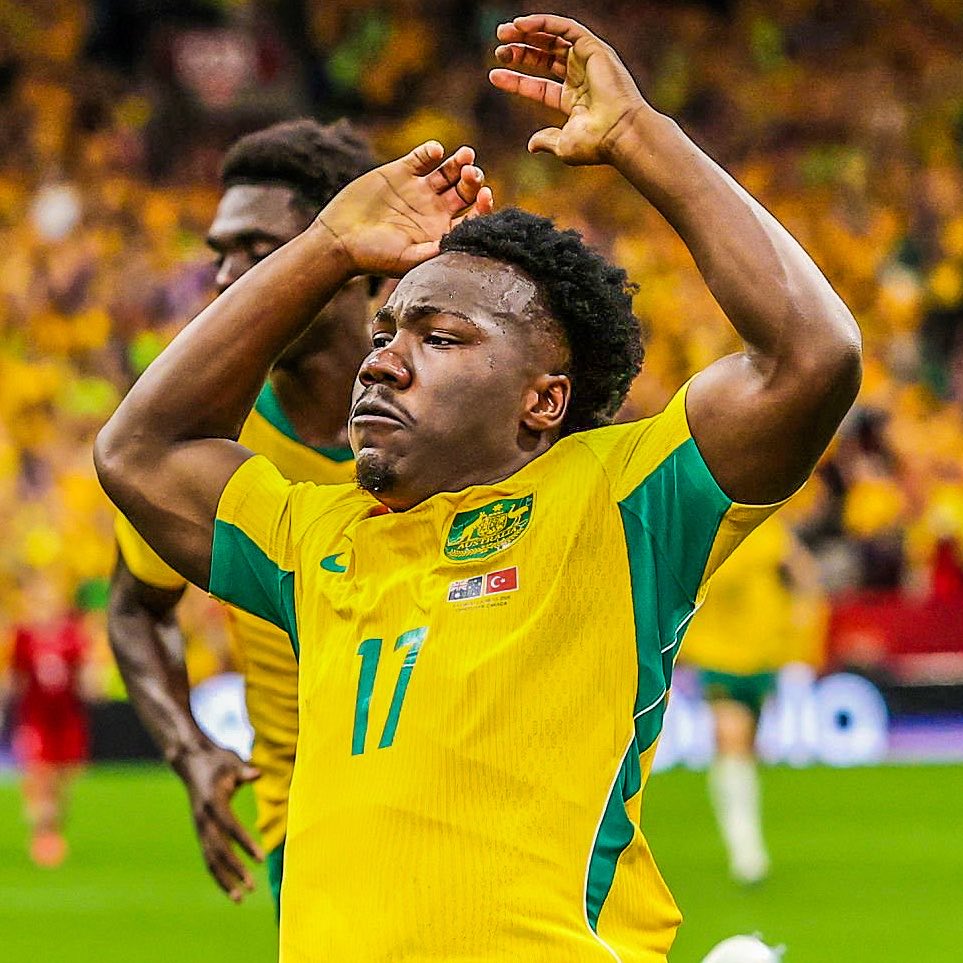
As memorable as the goal itself was, the celebration captured almost as much attention.
Having previously celebrated goals by imitating Michael Jackson, even wearing a white glove after scoring against Curaçao earlier this year, Irankunda chose a different tribute on football’s grandest stage.
After scoring, he ran to the corner flag and punched it repeatedly, recreating the iconic celebration made famous by Australian legend Tim Cahill.
“Tim Cahill is my biggest inspiration when it comes to football,” Irankunda revealed.
“Him and Lionel Messi. Tim Cahill is Australia’s greatest player in my opinion. I just thought if I scored, I’d do the same as him and I got to do it.”
A star on rise
For Postecoglou, the goal could represent the beginning of something even bigger.
World Cups have a habit of transforming careers overnight, and Irankunda now finds himself in the spotlight after announcing himself on the biggest stage of all.
“A massive moment,” said Postecoglou.
“Sometimes in World Cups, you just need a good couple of weeks and your whole world can change. Let’s hope that is the start for him.”
Given everything Irankunda has overcome from a refugee camp in Tanzania to the bright lights of a World Cup few would bet against him writing many more memorable chapters before his story is finished.