
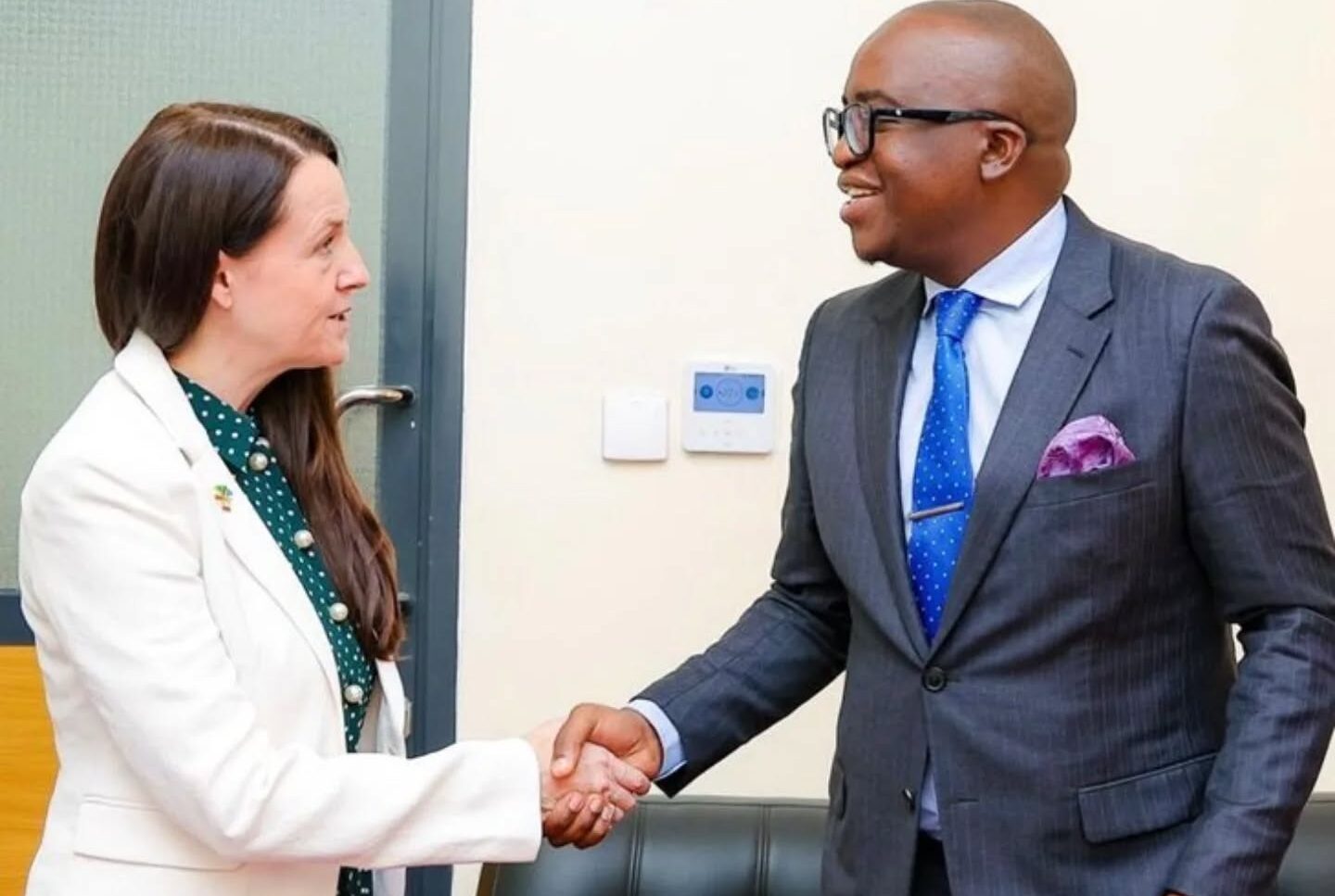
Dodoma. Tanzania and Canada have agreed to strengthen cooperation in advanced mineral exploration projects as part of efforts to improve geological data availability, attract investment and accelerate the development of the country’s mining sector.
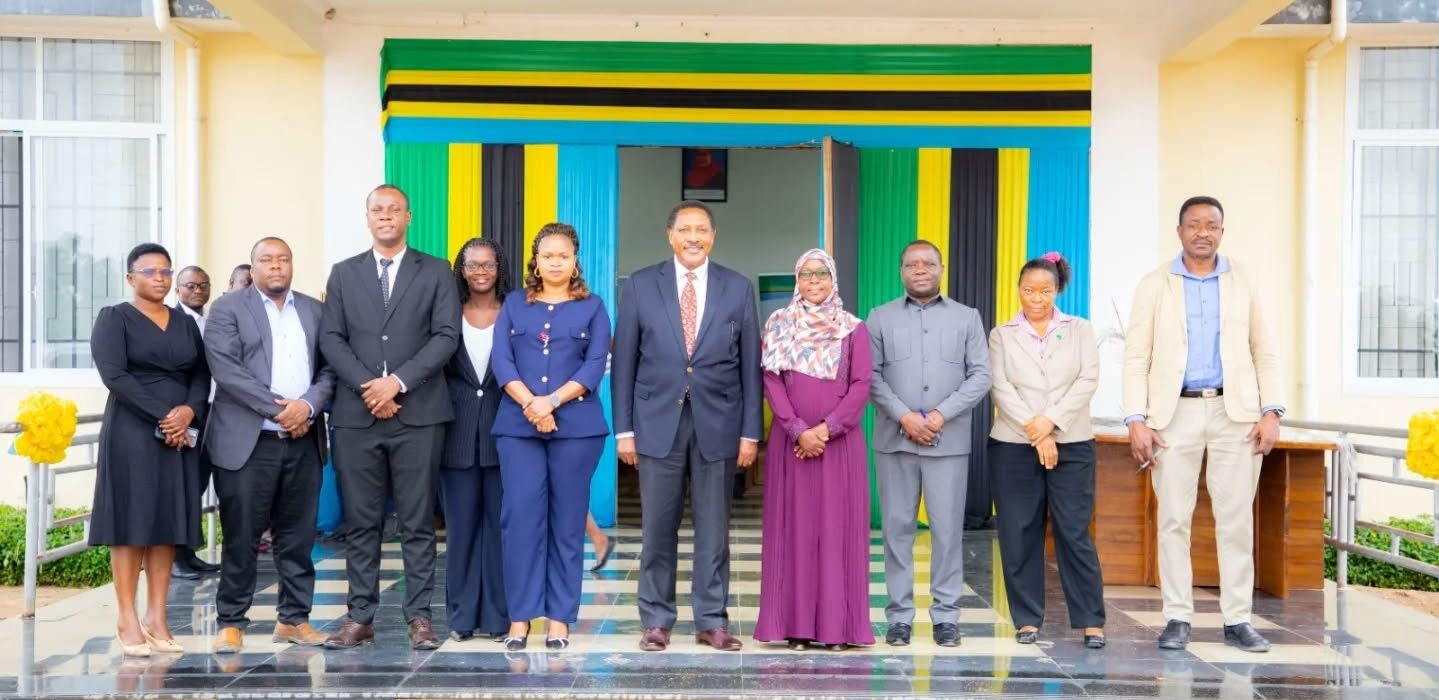
The agreement was reached during a meeting between Minister for Minerals Anthony Mavunde and Canada’s Ambassador to Tanzania, Emily Burns, in Dodoma on June 16, 2026.
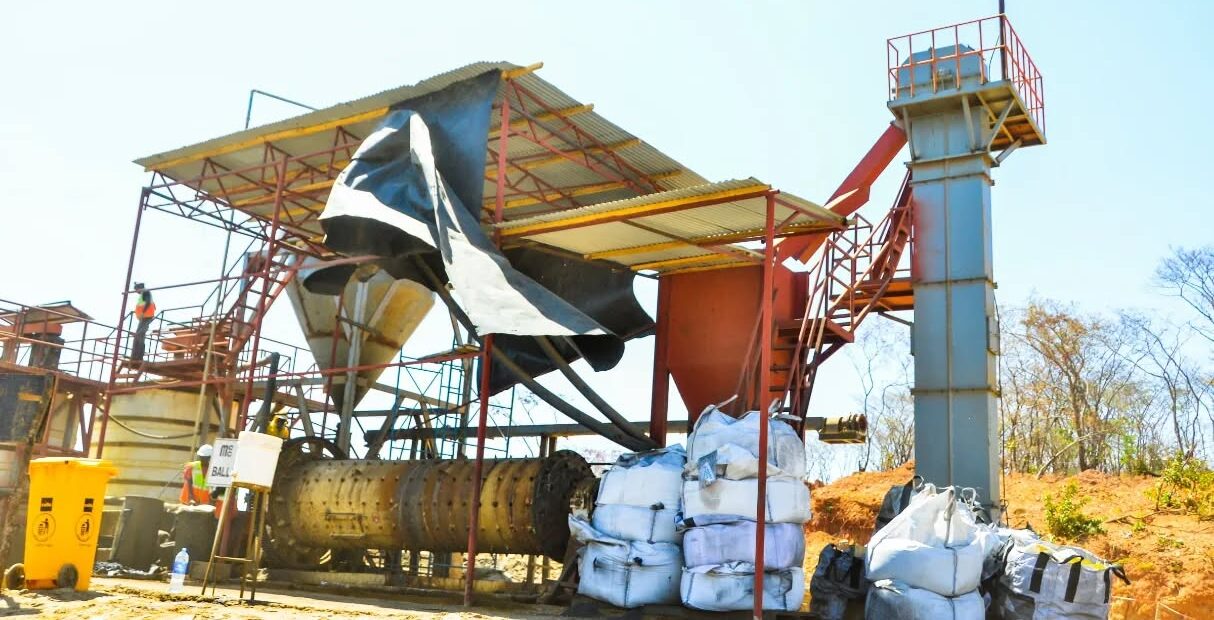
The discussions focused on expanding collaboration in strategic mineral exploration initiatives aimed at unlocking the country’s mineral potential and supporting evidence-based mining activities.
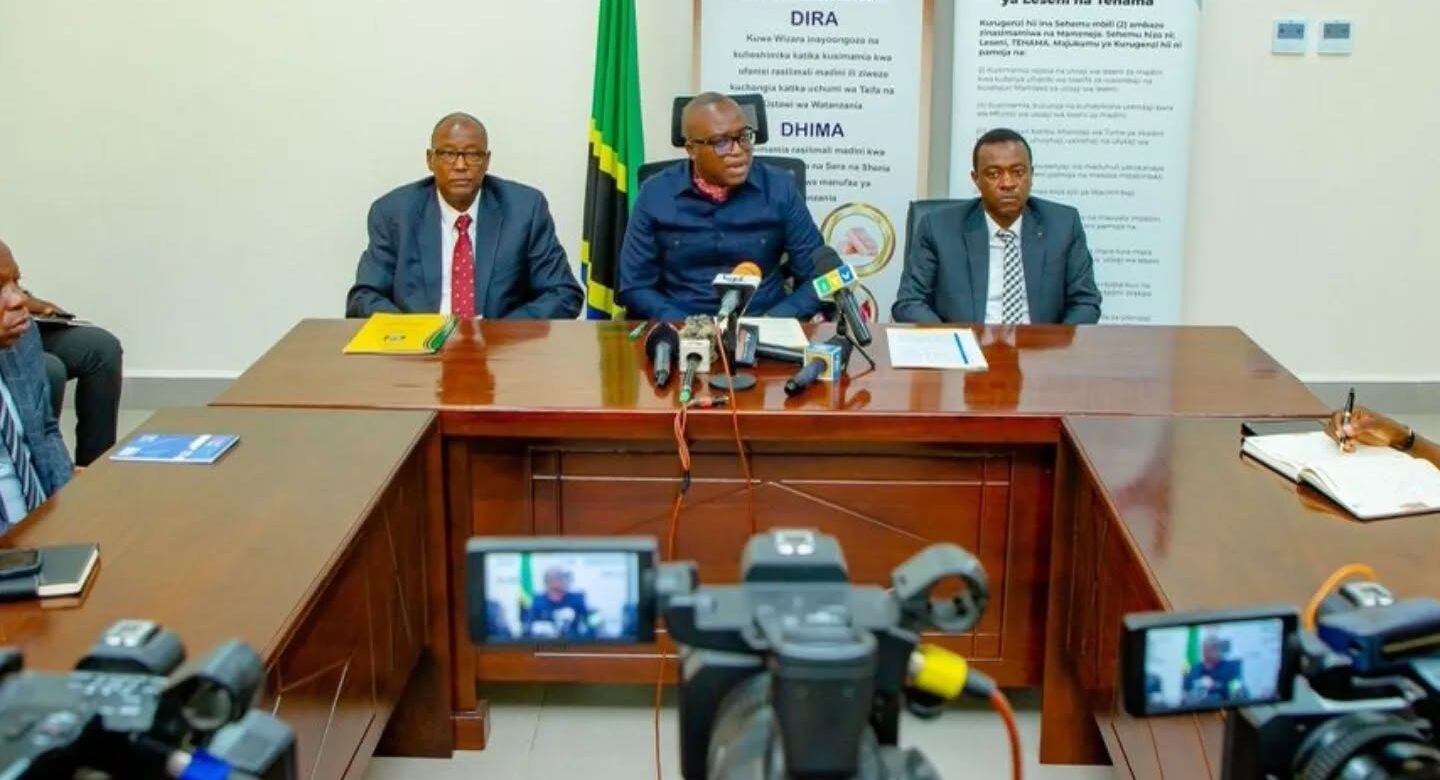
Speaking after the meeting, Mr Mavunde said Tanzania was committed to moving away from speculative mining practices by ensuring that mining activities are guided by reliable geological information.
He noted that the government has set an ambitious target of increasing the proportion of the country’s territory covered by detailed geological surveys from the current 16 percent to 50 percent by 2030.
According to the minister, the planned cooperation with Canada will play a key role in achieving this objective by supporting comprehensive mineral exploration programmes, particularly in areas with significant mineral potential.
“The availability of accurate geological information is critical for attracting investment and ensuring sustainable development of the mining industry,” he said.
Mr Mavunde added that Tanzania and Canada have maintained longstanding bilateral relations and expressed satisfaction with Canada’s willingness to support strategic mineral exploration projects under the country’s long-term mining development agenda.
He said the collaboration aligns with Tanzania’s Mining Vision 2030, which seeks to transform the sector into a major driver of economic growth through increased investment, value addition and the adoption of modern technologies.
The minister further explained that detailed geological surveys would help address challenges associated with speculative mining, particularly among small-scale miners who often invest substantial resources in areas with limited geological information.
By providing accurate and comprehensive data on mineral deposits, he said, miners would be able to make informed investment decisions, reduce exploration risks and improve productivity.
As part of preparations for the joint initiatives, Mr Mavunde directed the Geological Survey of Tanzania (GST) to identify strategic areas that should be prioritised under the cooperation framework.
The surveys are expected to focus on selected regions in the Lake Zone and Northern Tanzania, areas known for their significant mineral resources and investment potential.
He emphasised that the government was ready to provide all necessary support to ensure the successful implementation of the projects and maximise their contribution to national development.
For her part, Ambassador Burns reaffirmed Canada’s commitment to strengthening cooperation with Tanzania in the mining sector, citing the country’s vast mineral potential and ongoing efforts to modernise the industry.
The partnership is expected to enhance the quality of geological information available to investors, improve mineral resource management and contribute to the sustainable growth of Tanzania’s mining sector.
Industry stakeholders believe the initiative could help reduce exploration uncertainty, stimulate new investments and support the government’s broader objective of increasing the mining sector’s contribution to the national economy.