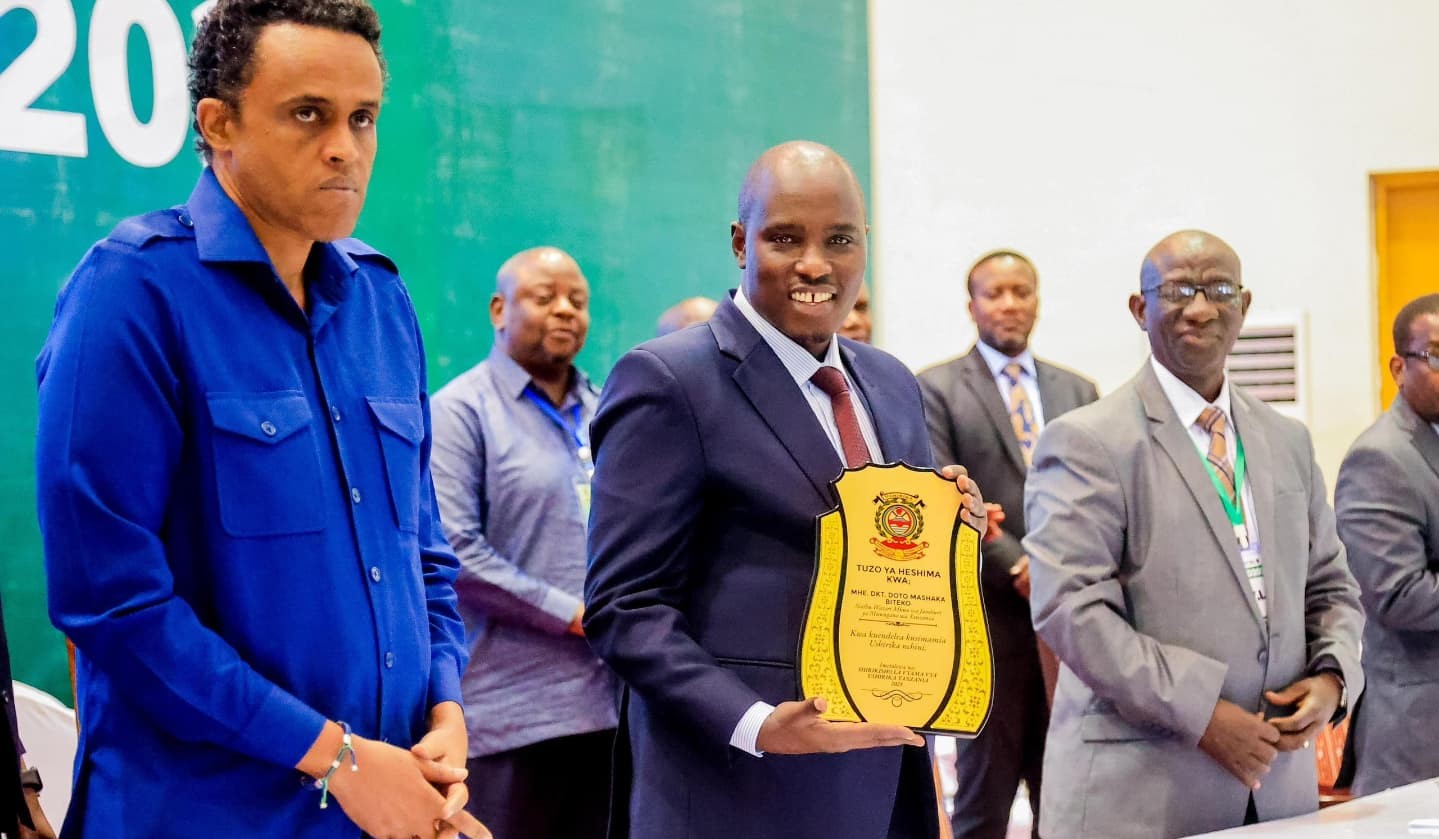


Iringa. Milk processing factories across Tanzania face an immediate operational shake-up following direct orders from the minister for Livestock and Fisheries, Dr Bashiru Ally Kakurwa, to resolve chronic financial and managerial failures.
Speaking at the opening of the 29th Dairy Week celebrations at the Mwembetogwa grounds here, Dr Kakurwa demanded swift action to rectify systemic bottlenecks that have left local pastoralists facing severe payment delays despite consistently delivering their produce.
Dr Kakurwa specifically singled out Tanga Fresh as a key facility requiring urgent financial and operational restructuring.
He emphasised that these reforms are non-negotiable if processing plants are to provide reliable services to livestock keepers, safeguard livelihoods, and effectively drive the nation’s economic growth.
Tapping regional potential
The directive comes amidst growing concern that Tanzania’s dairy industry is lagging behind its regional neighbours.
To bridge this gap, the Minister stressed that boosting raw milk production is critical to satisfying the capacities of local factories.
Whilst progressive investors have already installed modern machinery for manufacturing milk powder, a severe shortage of raw milk continues to cripple output.
Dr Kakurwa noted that powder processing technology remains a priority, as it extends shelf life, simplifies transport, and significantly minimises post-harvest losses for rural farmers.
To further stimulate the domestic market, the Minister challenged stakeholders to leverage modern technology to educate the public on nutrition.
He noted that digital tools and modern communication should be utilised to shift public mindsets and actively promote milk consumption, particularly for children.
The call for structural reform was also extended to state entities.
Dr Kakurwa issued a strict directive to all institutions under the Ministry of Livestock and Fisheries to overhaul their approach to national exhibitions, including the upcoming Nanenane agricultural shows.
He ordered that ministry pavilions must cease operating as mere static displays and instead transform into active hubs for public education, professional consultation, and direct community feedback.
Achieving these ambitious goals will require a unified front.
Dr Kakurwa concluded by stating that the future of the sector relies on robust cooperation between the Government, Parliament, financial institutions, and the private sector.
He extended his appreciation to key partners, including the Tanzania Broadcasting Corporation (TBC), the Tanzania Agricultural Development Bank (TADB), and UTT, for their continued investment in the development of the nation’s dairy industry.