
Dodoma. The government has said its proposed 2026/27 national budget will lay a strong foundation for the implementation of Tanzania’s Development Vision 2050, while accelerating economic growth, creating jobs and improving the welfare of citizens.
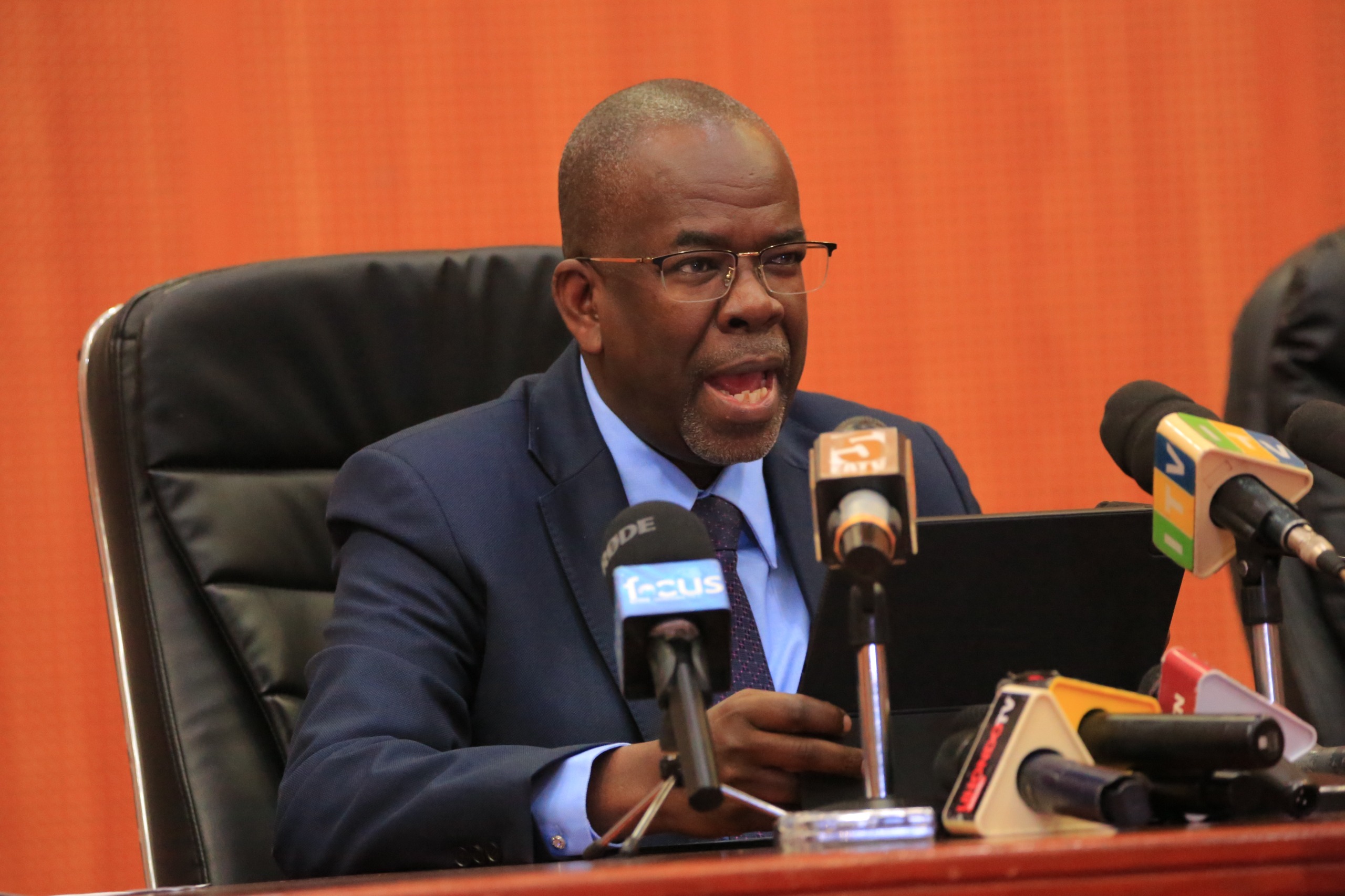
Finance Minister Amb Khamis Mussa Omar made the remarks on June 10, 2026, during a briefing with journalists in Dodoma ahead of the presentation of the government budget estimates to Parliament today, June 11, 2026.
The minister described the budget as historic because it will be the first to operationalise the Development Vision 2050, the Fourth Five-Year National Development Plan (2026/27–2030/31) and CCM party’s 2025 election manifesto.
The government plans to spend Sh62.3 trillion during the 2026/27 financial year.
The expenditure represents an increase of about 10.3 percent compared with the previous budget.
The spending plan is aimed at supporting economic expansion, improving public services and advancing strategic development projects.
Mr Omar said a significant portion of the funds would be directed towards strategic development projects that are expected to stimulate economic growth and enhance the country’s productive capacity.
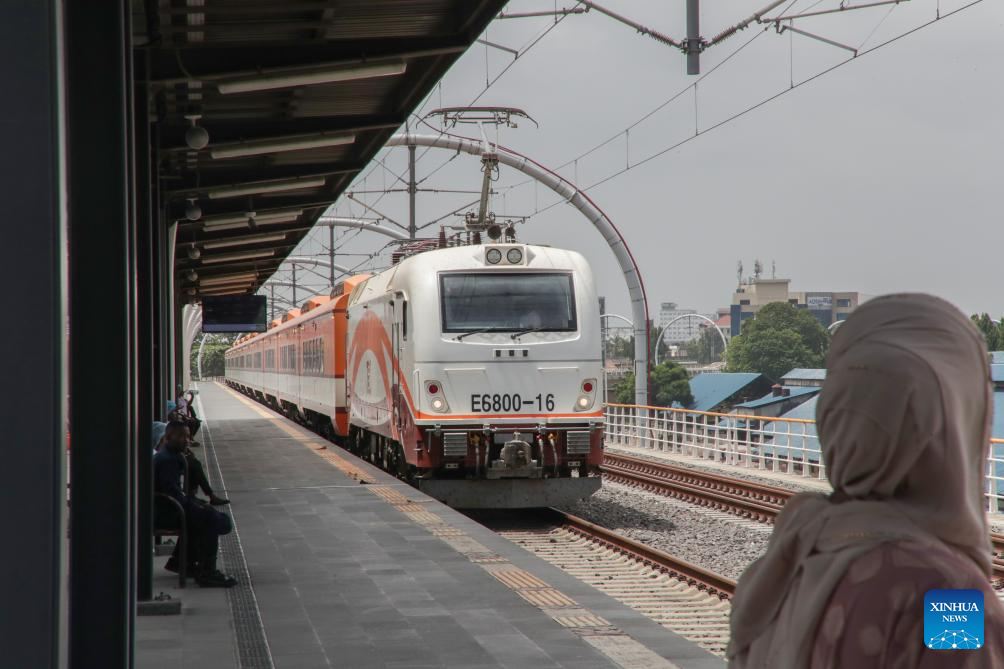
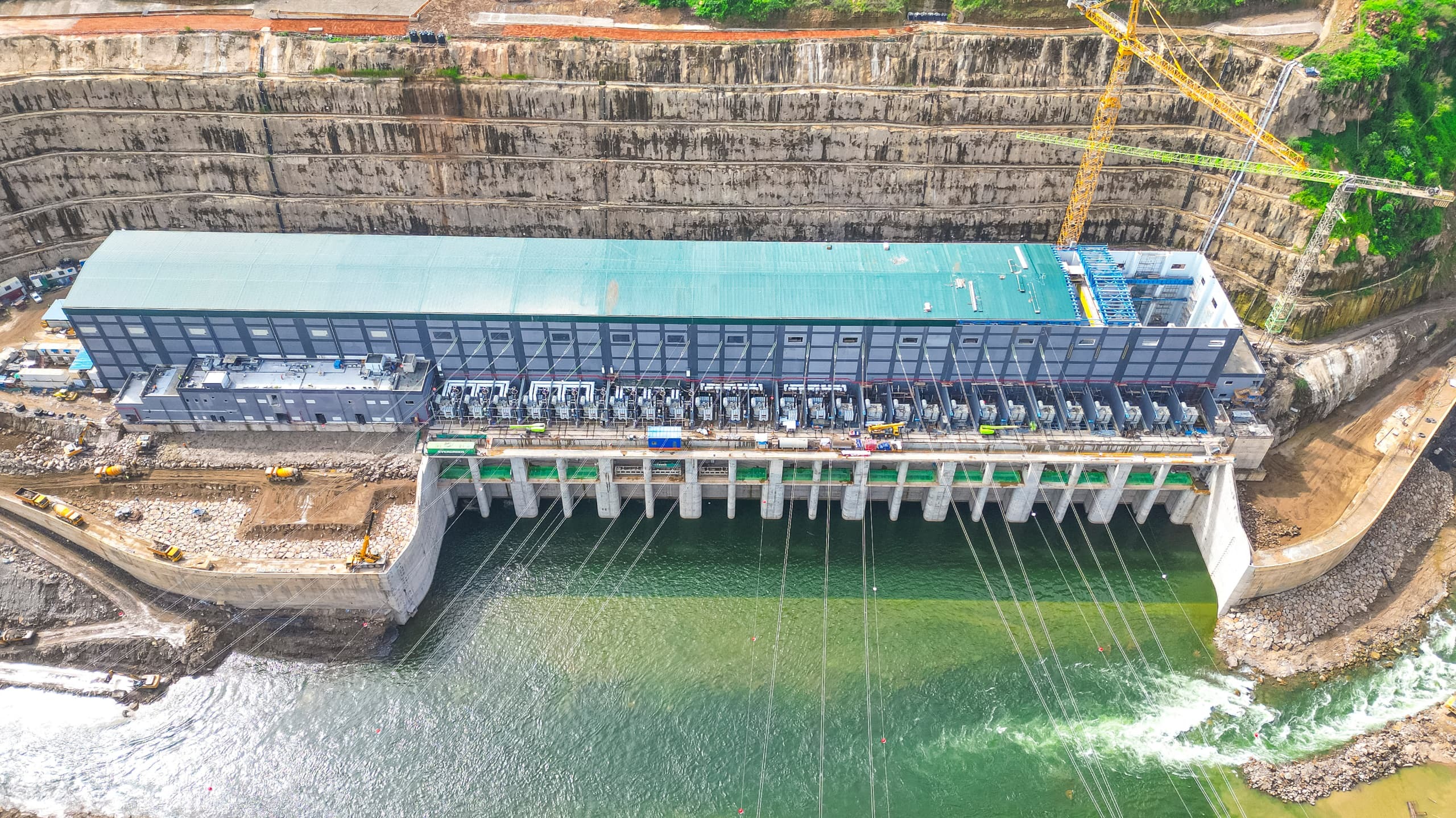
Priority areas include the continued construction of the Standard Gauge Railway (SGR), expansion and improvement of the road network, strengthening water services, implementation of energy projects and investment in human capital development and skills training.
“These funds will be directed towards strategic projects that stimulate national economic growth,” he said.
According to the minister, the budget has been designed to accelerate both economic and social development.
It also seeks to create more employment opportunities, attract investment and improve living standards across the country.
To finance the budget, the government expects to collect Sh46.8 trillion in domestic revenue.
Domestic resources are projected to account for the bulk of government financing as Tanzania continues efforts to reduce dependence on external support and strengthen fiscal sustainability.
Mr Omar said the government would first present an assessment of the implementation of the 2025/26 budget before tabling the new estimates.
He noted that domestic revenue collection had continued to perform strongly and remained on course to meet established targets.
The minister also highlighted the government’s consultative approach to tax policy reforms.
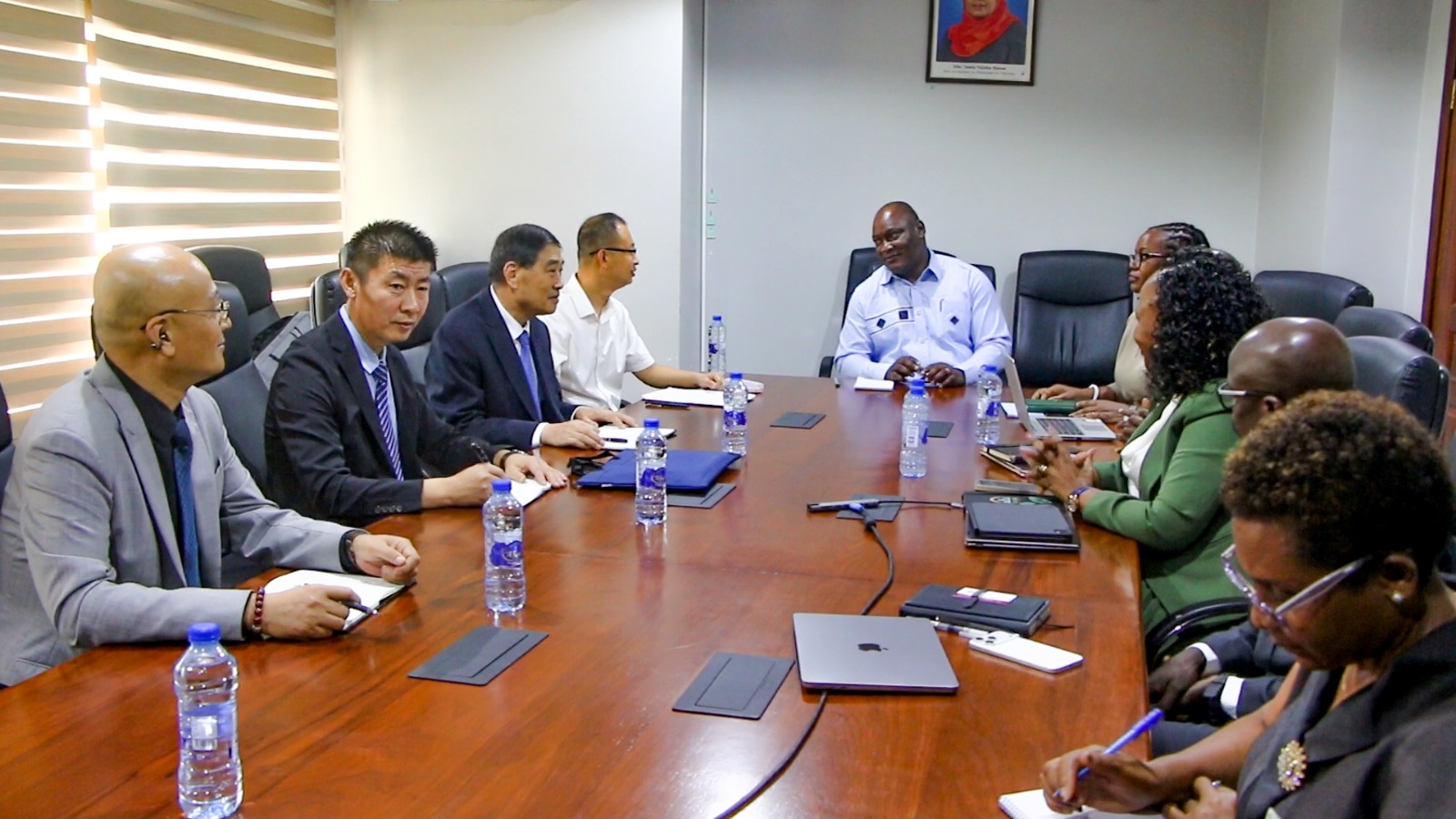
He said various stakeholders had participated in the budget preparation process through the Task Force on Tax Reforms and a high-level advisory think tank.
As part of that process, the government received 727 proposals from stakeholders, including private sector organisations, academic institutions, business associations, civil society groups and individual citizens.
Of the proposals received, 125 were accepted as submitted, 121 were revised and approved, while 295 were rejected following detailed analysis.
Mr Omar said the tax reforms are intended to stimulate economic growth, expand employment opportunities, broaden the tax base by attracting more investment and reduce the tax burden on compliant taxpayers.
The government has repeatedly stated that the 2026/27 budget is aligned with Vision 2050 and the Fourth Five-Year Development Plan, which seek to transform Tanzania into a more competitive and inclusive economy.
The budget framework also targets economic growth of 6.3 percent in 2026.
The minister commended the media for its role in informing the public on development issues and urged citizens to continue paying taxes voluntarily and on time.
“We are building our nation together. The government will continue to ensure that the resources collected are utilised efficiently and deliver positive results for citizens,” he said.
He called on Tanzanians to closely follow the official presentation of the 2026/27 national budget.