
Dodoma. Mainland Tanzania has achieved a steady decline in its basic needs poverty rate, which now stands at 25.1 percent.
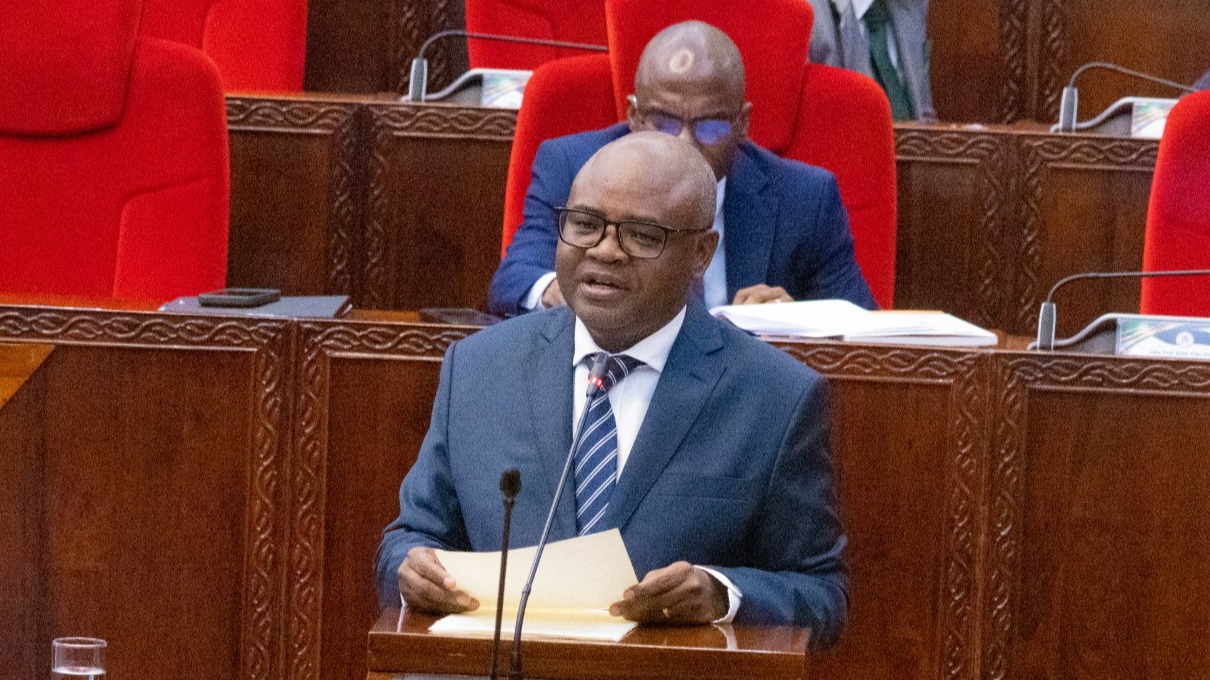
Reading the State of the Economy speech in Parliament on June 11, 2026 the minister of State in the President’s Office for [Planning and Investment], Prof Kitila Mkumbo outlined a long-term downward trajectory in the nation’s poverty levels over the last two decades.
The 2025 Household Budget Survey shows that the proportion of Tanzanians living below the basic needs poverty line on the Mainland has dropped from 34.4 percent in 2007, to 28.2 percent in 2012, moving further down to 26.4 percent in 2018, before reaching the current historic low of 25.1 percent.
Despite this positive momentum, Prof Mkumbo issued a candid assessment regarding the pace of the decline.
He noted that while the trajectory is moving in the right direction, more intensive efforts are required to accelerate the rate of poverty reduction.
He emphasised that the speed of transformation must be scaled up significantly to match the country’s broader economic growth rate and to satisfy the ambitious benchmarks established under the Tanzania Development Vision 2050.
The persistent challenge of poverty, particularly in rural and vulnerable communities, underscores the critical role played by the government’s targeted social safety nets and healthcare initiatives.
Over the years, structural reforms have increasingly integrated institutional protections to cushion the lowest-income households from economic volatility.
Central to these interventions is the Tanzania Productive Social Safety Net, managed by the Tanzania Action for Social Funds (TASAF).
Through its phased distribution models, TASAF provides direct conditional cash transfers and funds public works projects.
These measures have historically proved vital in stabilizing household consumption and preventing vulnerable populations from falling back below the poverty line during periods of inflation or climate-induced agricultural shocks.
In tandem with income support, the state has targeted structural inequalities within human capital, specifically focusing on healthcare equity.
For the country’s elderly demographic, who are disproportionately impacted by economic inactivity and health crises, the government has maintained a policy of free medical treatment for older citizens.
This mechanism aims to remove catastrophic out-of-pocket health expenditures that frequently plunge multi-generational households deep into poverty.
Furthermore, the implementation of Universal Health Insurance (UHI) represents the state’s broader strategy to transition away from fragmented healthcare financing toward a sustainable, inclusive framework.