
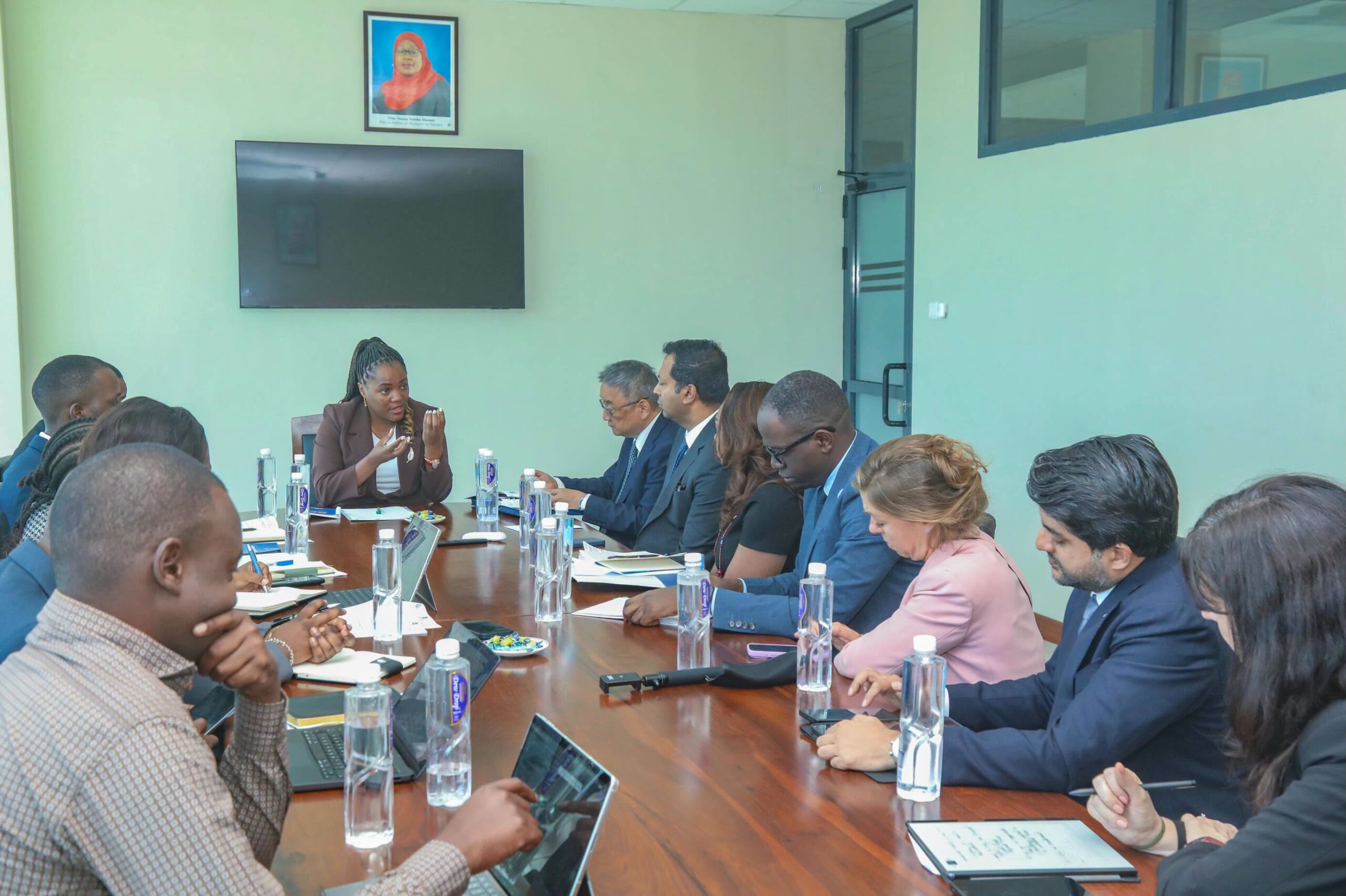
Dodoma. The United Nations Capital Development Fund (UNCDF) and the United Nations Development Programme (UNDP) have reaffirmed their commitment to support Tanzania in accelerating the adoption of clean cooking energy, alongside efforts to mobilise investment financing for energy projects across the country.
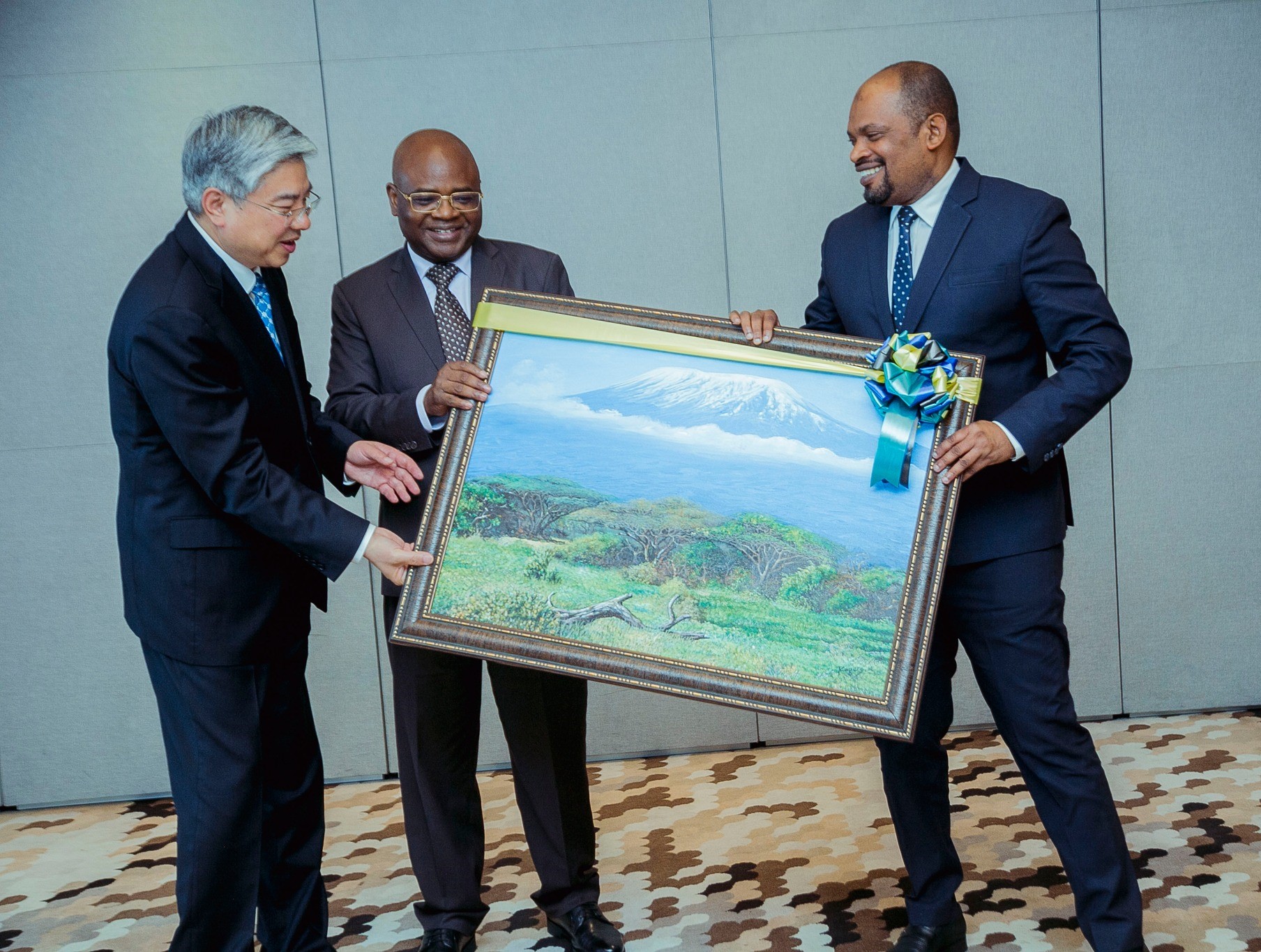
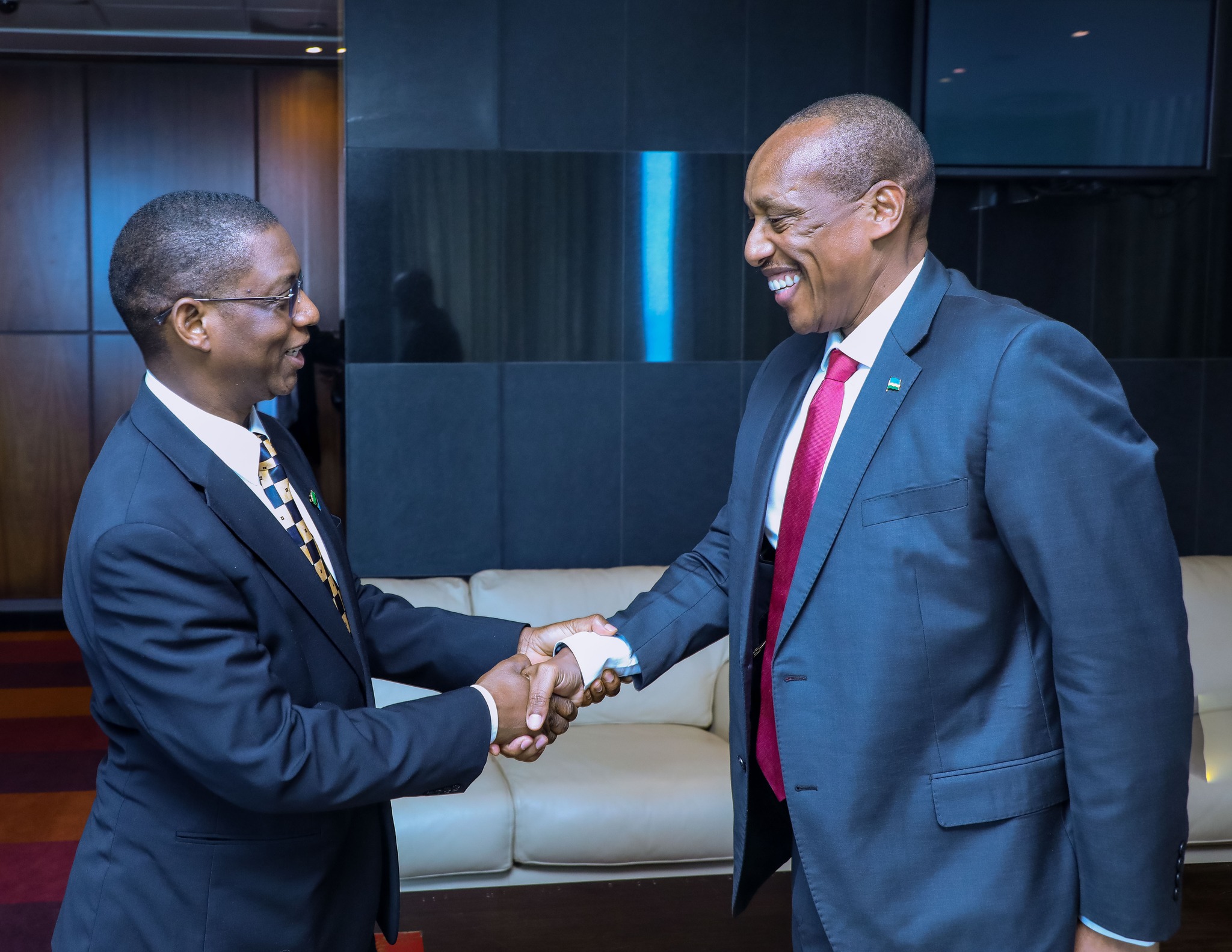
The commitment was expressed during a high-level meeting between senior officials from the two UN agencies and the Deputy Minister for Energy, Salome Makamba, held in Dodoma. The discussions centred on strengthening cooperation in the implementation of Tanzania’s National Clean Cooking Energy Strategy.
Leading the UN delegation, UNCDF head Pradeep Kurukulasuriya and UNDP representative Shijeki Komatsubava said the two institutions were prepared to deepen technical and financial collaboration with the Government of Tanzania.
They noted that expanding access to clean cooking solutions would require not only policy alignment but also innovative financing mechanisms capable of attracting both public and private sector investment.
Ms Makamba said the government had placed clean cooking energy at the centre of its development agenda, with an ambitious target of ensuring that at least 80 percent of Tanzanians use clean cooking energy by 2034.
She said this goal was anchored in the National Clean Cooking Energy Strategy, which seeks to transform household energy consumption patterns across both rural and urban areas.
She noted that in 2021, only around six per cent of Tanzanians used clean cooking energy.
However, through sustained government interventions, support from development partners and increased private sector participation, the figure had risen to more than 28 percent.
“This progress is encouraging, but the journey ahead remains long and demands substantial investment as well as close collaboration between government, the private sector and development partners,” she said.
Ms Makamba emphasised that the government was particularly focusing on institutions that serve large populations, including schools, universities, hospitals, and security establishments.
These institutions, she said, present both a challenge and an opportunity for scaling up clean cooking solutions due to their high energy demands.
She further outlined ongoing programmes aimed at expanding access to clean cooking technologies, particularly in rural areas where reliance on firewood and charcoal remains widespread.
According to her, addressing rural energy needs is central to reducing environmental degradation, improving public health, and easing the burden on women and children who are often responsible for fuel collection.
A key challenge highlighted during the meeting was the limited availability of financial resources to support widespread adoption of clean cooking technologies.
Ms Makamba noted that many households and institutions still face difficulties in accessing affordable financing to transition from traditional biomass fuels to cleaner alternatives such as liquefied petroleum gas, electricity, and improved biomass technologies.
She added that overcoming this financing gap would be critical to achieving national targets and ensuring that clean cooking solutions are accessible even in remote and underserved communities.
The UN agencies reiterated their readiness to support Tanzania in developing sustainable financing models, strengthening investment pipelines, and building partnerships that can accelerate the clean cooking transition.
They further underscored that clean cooking energy was not only a development priority but also a critical component in addressing climate change, improving public health outcomes, and advancing gender equality.
The meeting concluded with a shared commitment to deepen collaboration and fast-track initiatives aimed at scaling up clean cooking energy access nationwide, in line with Tanzania’s long-term development vision.