
Dodoma. The passage of Tanzania’s Finance Bill, 2026 on Thursday June 25, has highlighted a delicate balancing act facing policymakers and lawmakers as they seek to finance the country’s largest-ever budget while shielding households, farmers and businesses from additional tax burdens.
Although the government ultimately secured parliamentary approval for its Sh62.33 trillion spending plan for 2026/27, several of the most debated tax proposals were either withdrawn or softened following pressure from Members of Parliament (MPs), reflecting growing scrutiny of fiscal measures that directly affect livelihoods and economic activity.
The Finance Bill, 2026 which now awaits presidential assent, was passed after lawmakers and the Executive reached consensus on a series of amendments that softened or removed tax measures initially viewed as burdensome to households, small businesses and key productive sectors.
At the heart of the debate was the government’s ambition to expand domestic revenue collection while sustaining economic growth, industrial development and social spending commitments under one of Tanzania’s largest-ever budgets.
The 2026/27 budget framework is anchored on projected domestic revenue of Sh46.79 trillion, of which Sh36.99 trillion is expected from taxes and Sh9.24 trillion from other domestic sources, including revenues from local government authorities.
Development partners are expected to contribute Sh563.1 billion in grants.
Despite the strong revenue outlook, the budget carries a projected deficit of Sh7.71 trillion.
This gap is expected to be financed through a combination of domestic and external borrowing.
Government projections show total borrowing of Sh15.54 trillion, split between Sh6.56 trillion in domestic loans, Sh6.55 trillion in concessional external financing and Sh2.43 trillion in commercial borrowing.
Debt repayments during the same period are estimated at Sh7.84 trillion.
Officials have indicated that about 74.2 percent of the budget will be financed through domestic resources, reflecting a continued policy shift towards fiscal self-reliance.
It was against this backdrop of rising expenditure needs and financing pressures that Parliament scrutinised the Finance Bill, focusing particularly on measures that would have increased the cost of doing business and household consumption.
Several proposals generated significant resistance from MPs, prompting consultations between the parliamentary Budget Committee and the government.
One of the most debated provisions was a proposed five percent excise duty on motorcycles.
Lawmakers argued that motorcycles have become a critical source of employment and transport, especially within the informal sector and the boda boda economy, which supports thousands of young people.
The government ultimately withdrew the proposal.
Another contested measure involved a proposed one percent withholding tax on payments for agricultural produce, livestock, milk, fish and hides.
MPs warned that the measure would have affected rural incomes and disrupted agricultural value chains that remain central to livelihoods in both rural and peri-urban communities.
That proposal was also removed from the final Bill.
In the transport sector, the government adjusted rather than abandoned its position on imported used vehicles.
The initial proposal sought to raise excise duty on vehicles aged between eight and 10 years from 15 percent to 20 percent.
Following parliamentary debate, the rate was revised down to 18 percent.
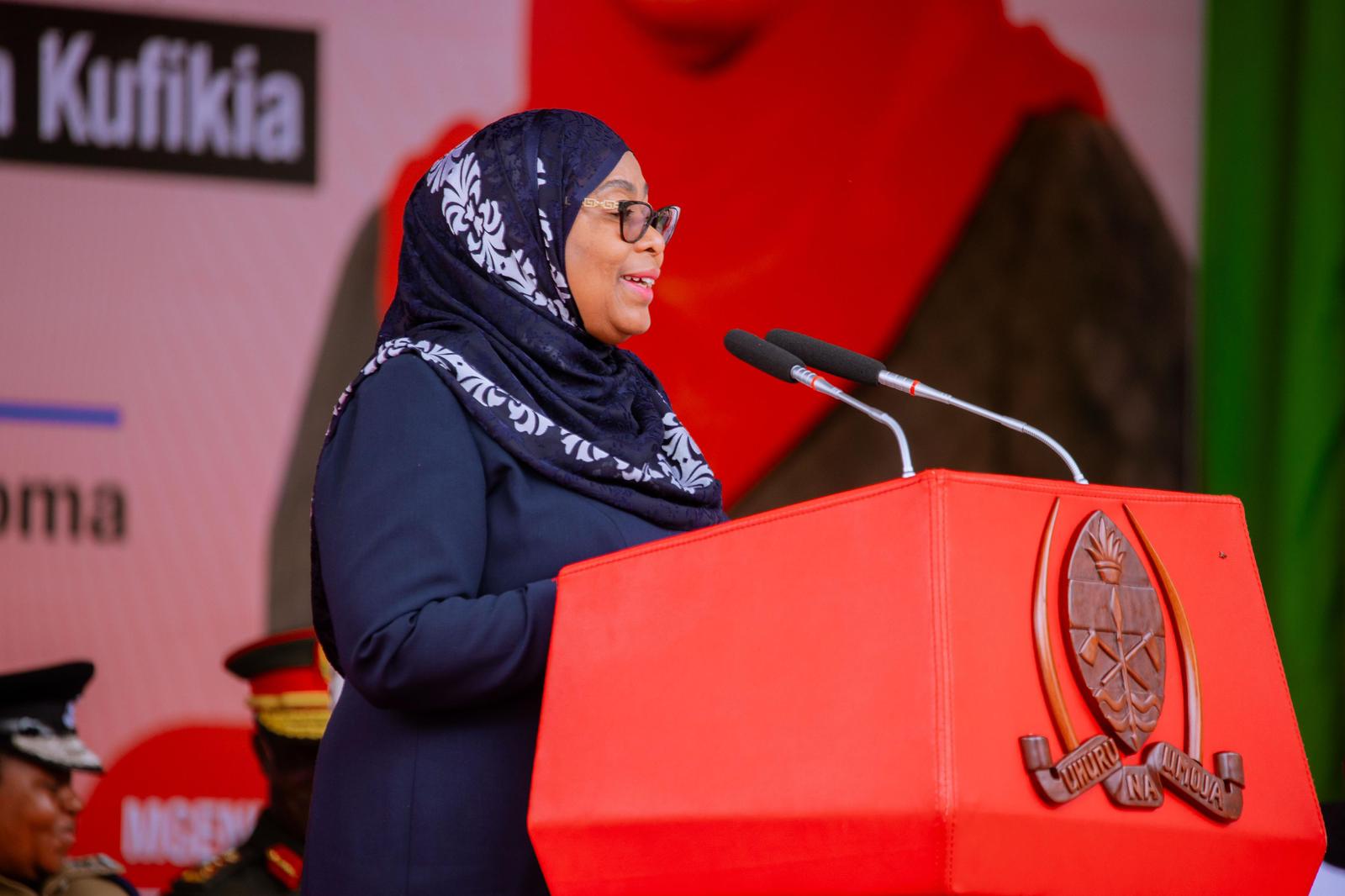
The revisions were presented in Parliament as evidence of consensus-building between the Executive and the Legislature.
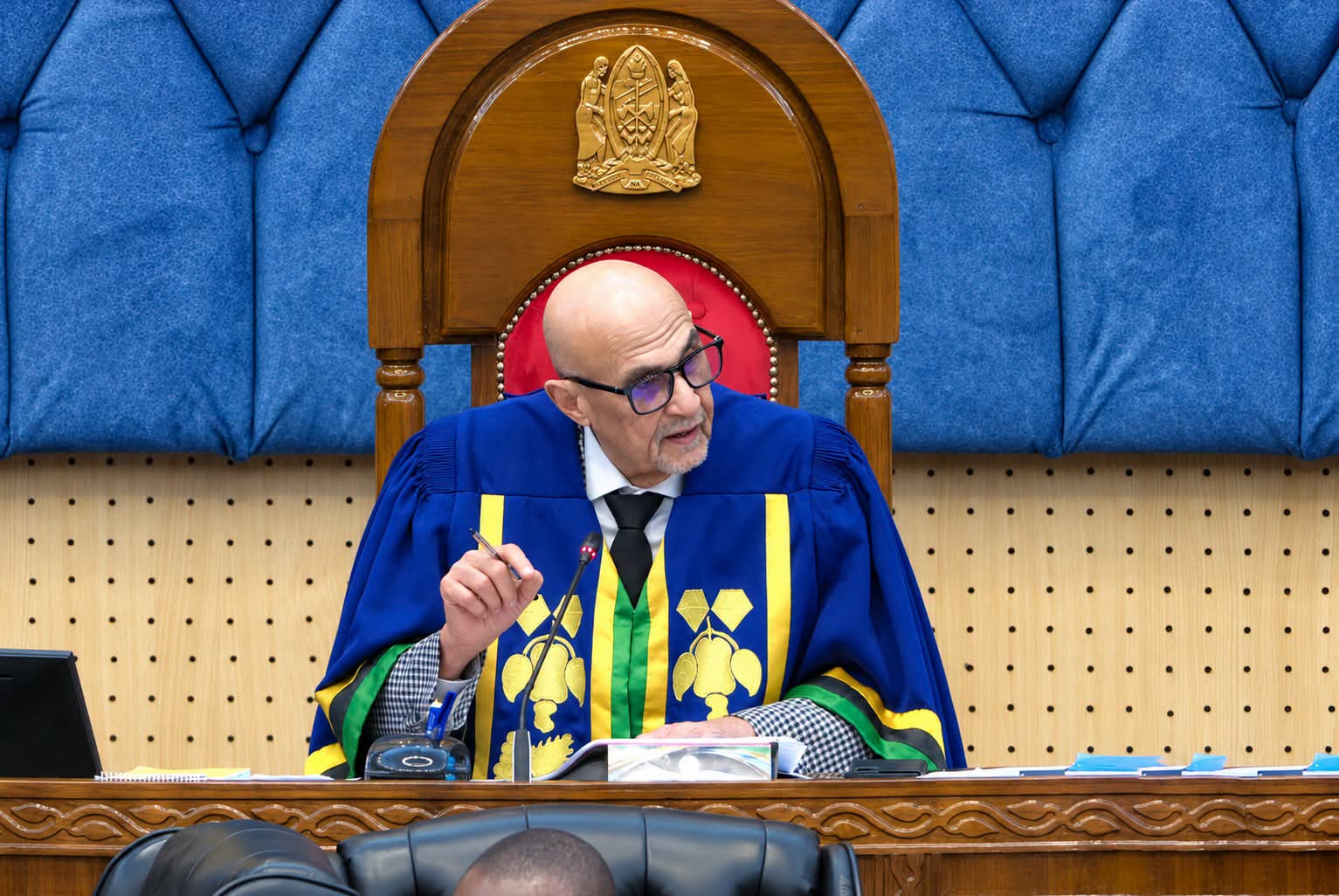
Speaker of Parliament Mussa Azzan Zungu said the outcome reflected extensive engagement between MPs and government officials during the budget process.
“There were many meetings between Parliament, through its Budget Committee, and the government. The government agreed because it considered the broader interests of citizens,” he said.
Mr Zungu argued that the willingness to amend the proposals contributed to the smooth passage of the budget.
“The main reason the government agreed was to protect the wider interests of wananchi,” he added.
Mr Zungu also highlighted specific policy adjustments that were adopted to ease pressure on businesses and stimulate entrepreneurship.
Among them was a provision allowing newly registered businesses to operate for one year before becoming subject to certain tax obligations, effectively granting a start-up tax relief period.
He further noted the removal of excise duty on motorcycles as a significant relief measure for young people engaged in transport services.
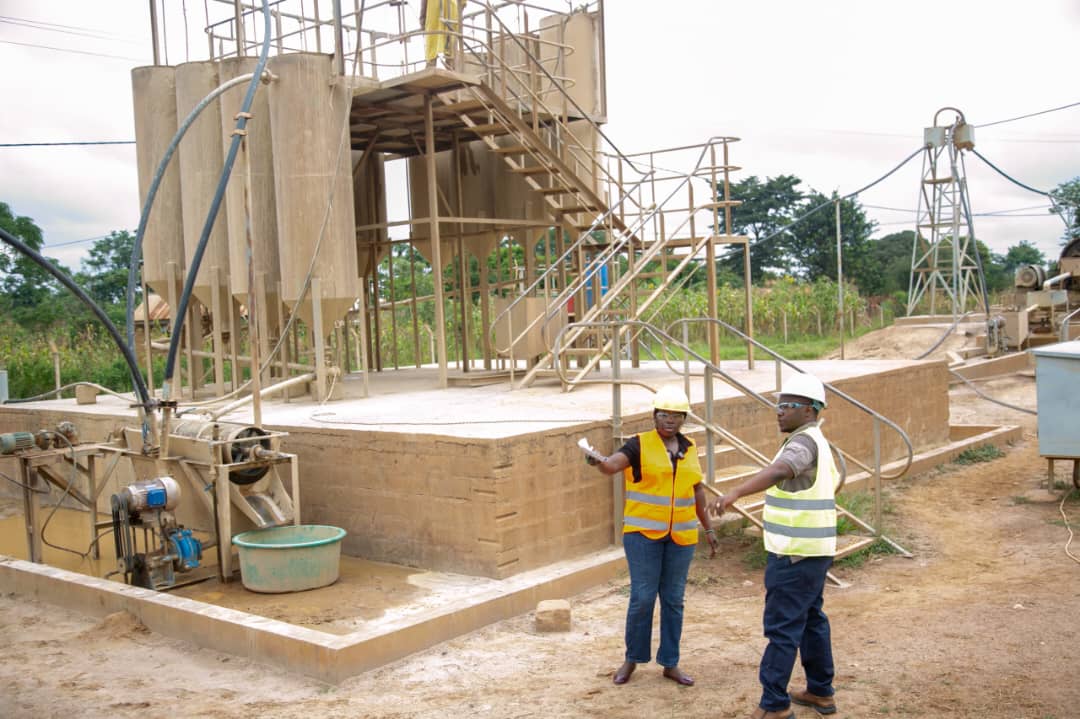
In addition to transport and agriculture-related changes, the Finance Bill includes amendments intended to unlock investment in the mining sector.
Parliament noted that 16 mining agreements exist, with nine projects valued at approximately Sh9.9 trillion having stalled due to inconsistencies between tax incentives in original agreements and existing tax legislation.
The revised framework is expected to improve investor confidence, unlock dormant projects and enhance government revenue in the long term, while preserving the state’s 16 percent equity participation in the affected ventures.
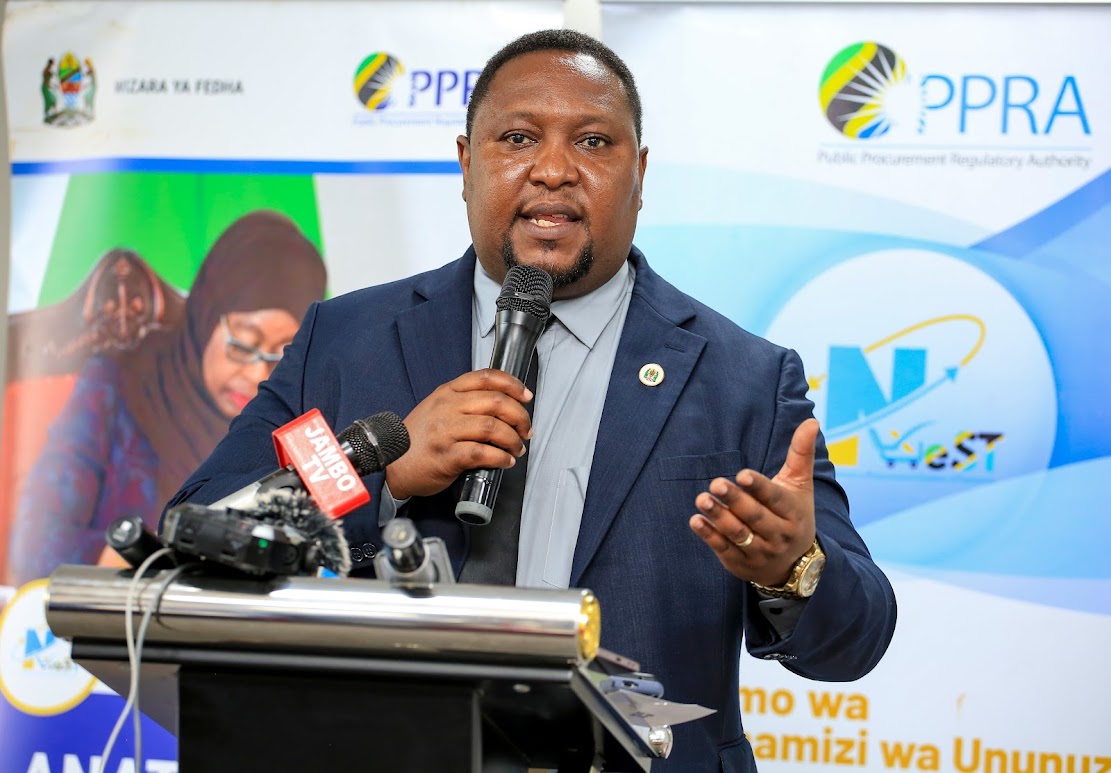
Finance Minister Khamis Mussa Omar, who presented the national budget on June 11, said the fiscal plan is designed to support economic transformation, infrastructure development and improved public service delivery while maintaining macroeconomic stability.
He said the government remains committed to strengthening domestic revenue mobilisation and ensuring efficient use of public resources.
However, MPs also urged the government to exercise greater restraint in public spending, particularly on non-essential expenditure such as luxury vehicle procurement, and to redirect savings towards development priorities.