
Dar es Salaam. Business leaders and government officials have renewed calls for faster execution of investment reforms, improved business environment conditions and timely delivery of key infrastructure projects as Tanzania intensifies preparations to meet its long-term development ambitions under Vision 2050 (Dira 2050).
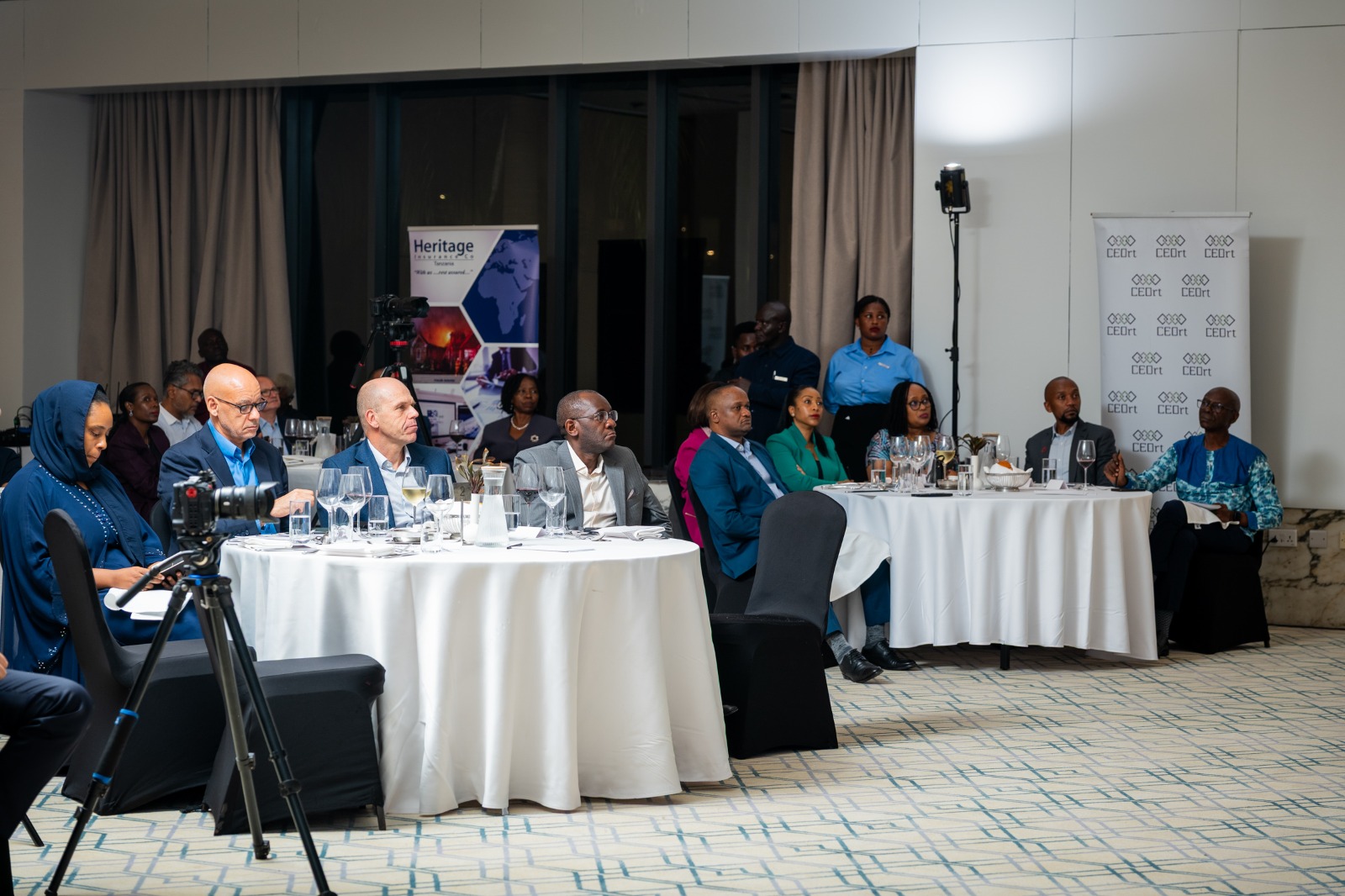
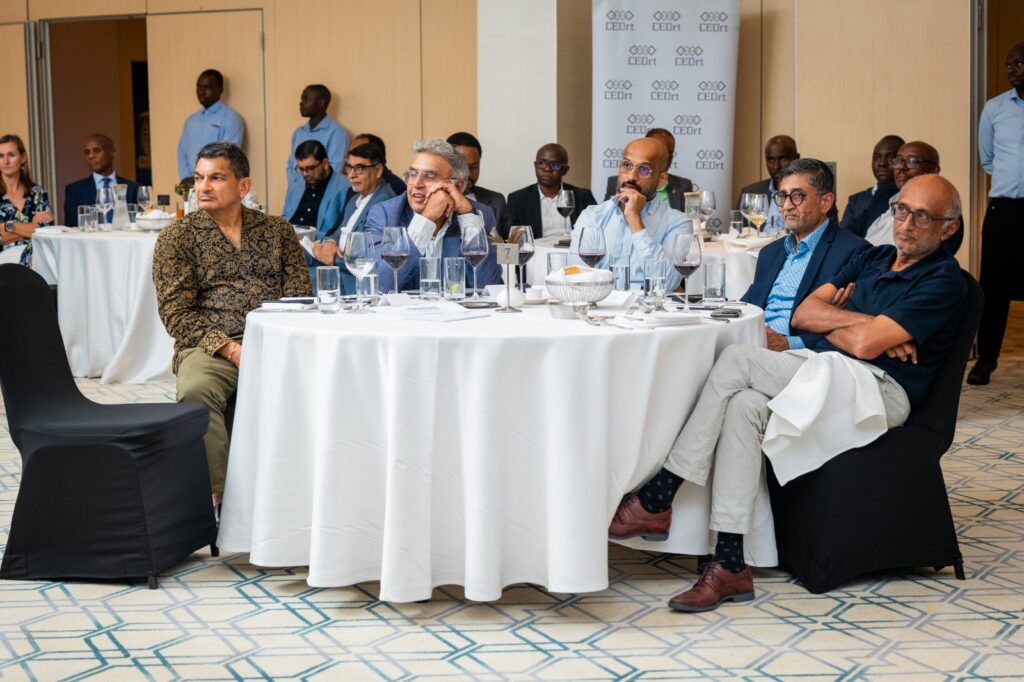
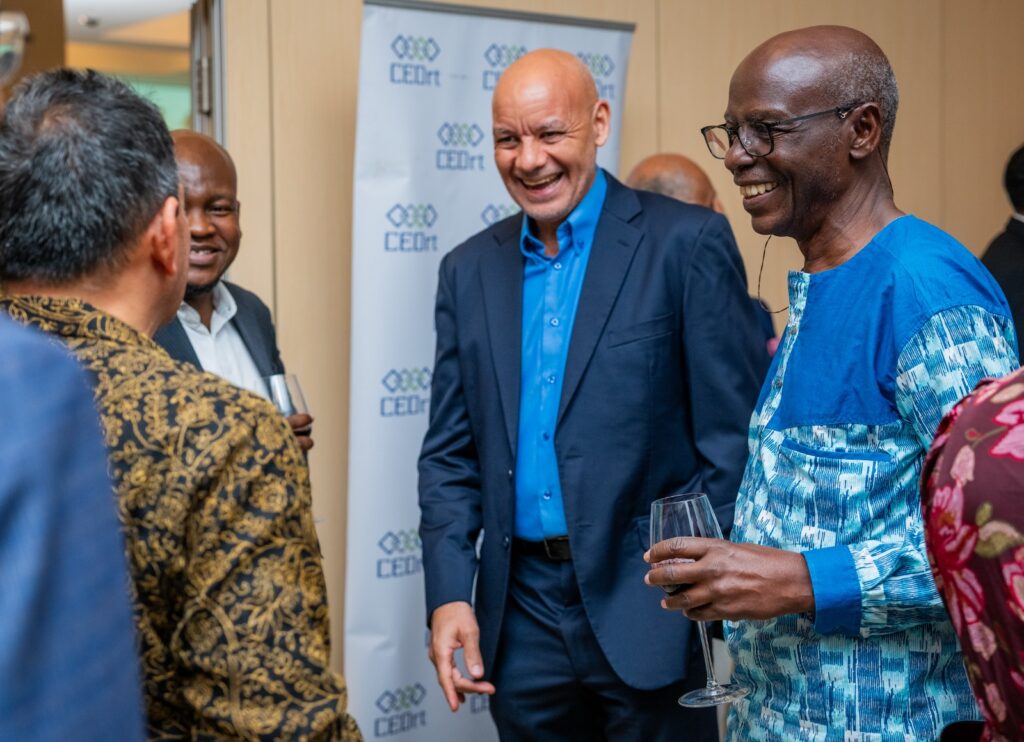
The appeal was made during the CEO Roundtable of Tanzania (CEOrt) monthly dialogue held in Dar es Salaam.
The forum brought together senior government officials, private sector executives and development partners to examine constraints affecting investment flows and to explore practical steps to unlock economic opportunities.
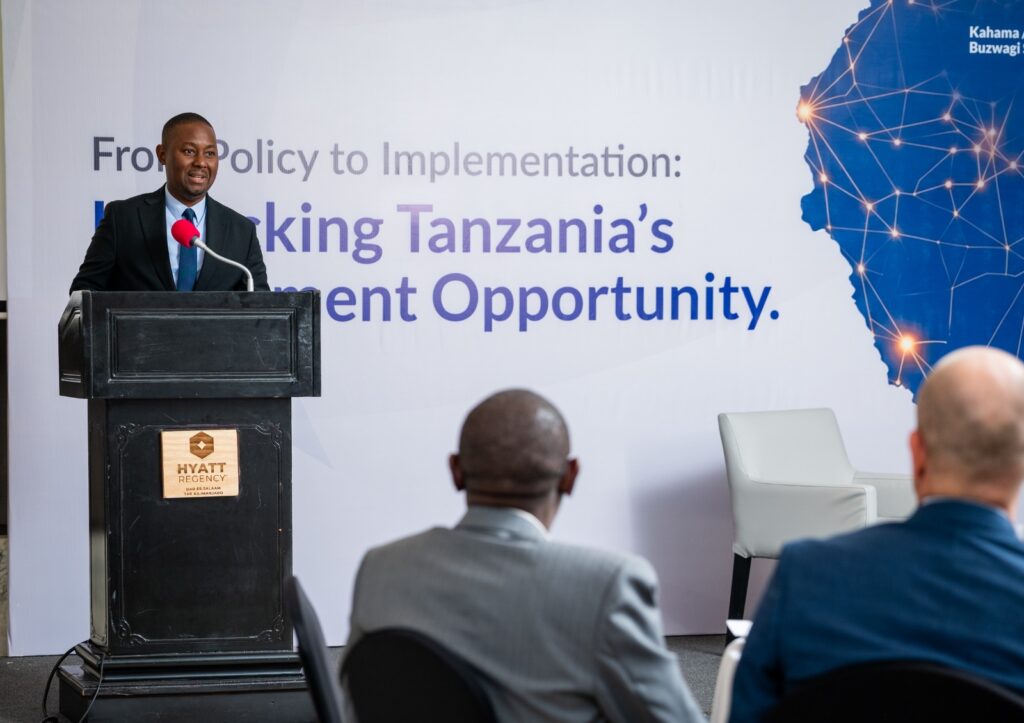
The meeting, supported by Heritage Insurance Company and held at the Hyatt Regency hotel, was convened under the theme: From Policy to Implementation: Unlocking Tanzania’s Investment Opportunity.
It focused on the persistent gap between policy formulation and execution, a challenge frequently cited in investment climate discussions across emerging markets.
Participants noted that Tanzania has, over recent years, undertaken a series of reforms aimed at improving the investment landscape.
These include regulatory adjustments, efforts to streamline business registration processes and increased public investment in transport, energy and digital infrastructure.
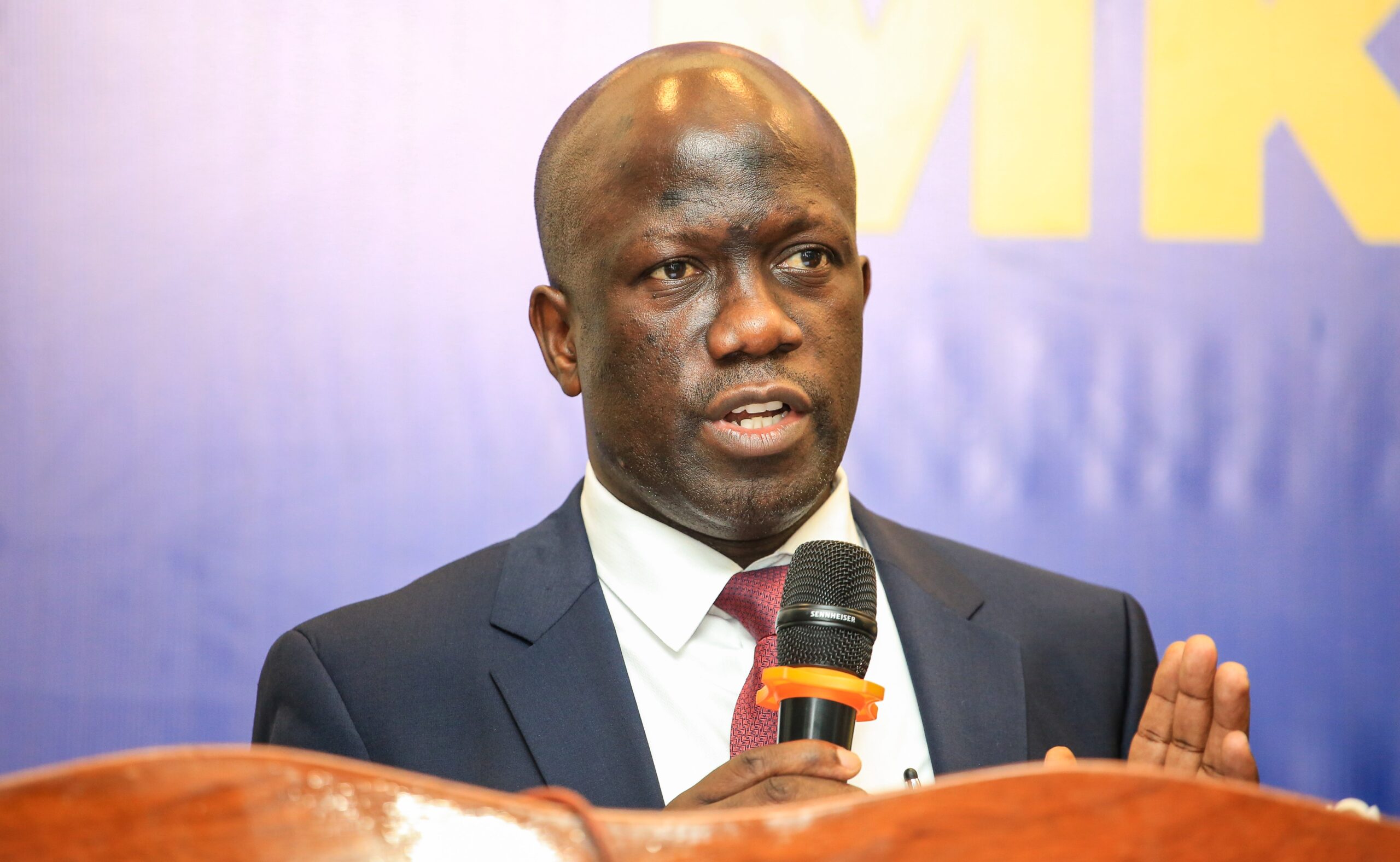
Speaking at the forum, Director General of the Tanzania Investment and Special Economic Zones Authority (TISEZA), Gilead Teri, said the country has strengthened its position as a regional investment destination through sustained infrastructure expansion and institutional reforms.
He said ongoing improvements in human capital development were also supporting competitiveness.
He pointed to priority sectors such as energy, science and technology, logistics, digital transformation and research and development as central pillars in advancing the Dira 2050 agenda.
He stressed that coordinated action between the public and private sectors remains essential.
Mr Teri cited data trends reflected in the Bank of Tanzania’s Blueprint Report, which showed mining and quarrying among the strongest-performing sectors in 2024, alongside broader growth across productive industries. He said this performance reflects rising investor confidence and expanding economic activity.
Infrastructure development was highlighted as a key enabler of growth.
Mr Teri referenced ongoing railway modernisation, port improvements and logistics upgrades, noting that rising cargo volumes are an indication of improving efficiency in trade facilitation systems.
He added that sustained government investment in infrastructure will remain critical in supporting both domestic commerce and regional trade integration.
According to him, efficiency in transport corridors is increasingly shaping Tanzania’s competitiveness within East Africa.
Mr Teri also credited reforms introduced under President Samia Suluhu Hassan, saying they have strengthened collaboration between the public and private sectors.
He noted that changes in investment-related legislation and institutional arrangements are gradually improving the business environment, even if the impact is not always immediately visible.
CEOrt Chairman, David Tarimo, said the private sector is prepared to support the country’s long-term transformation agenda but emphasised the importance of policy consistency and predictable implementation frameworks.
He noted that investor confidence depends heavily on clarity and stability in regulatory processes.
He added that sustained dialogue between government and the private sector remains vital in addressing bottlenecks and aligning priorities.
“The success of Dira 2050 will depend not only on policy ambition but on effective implementation that enables businesses to invest and expand,” he said.
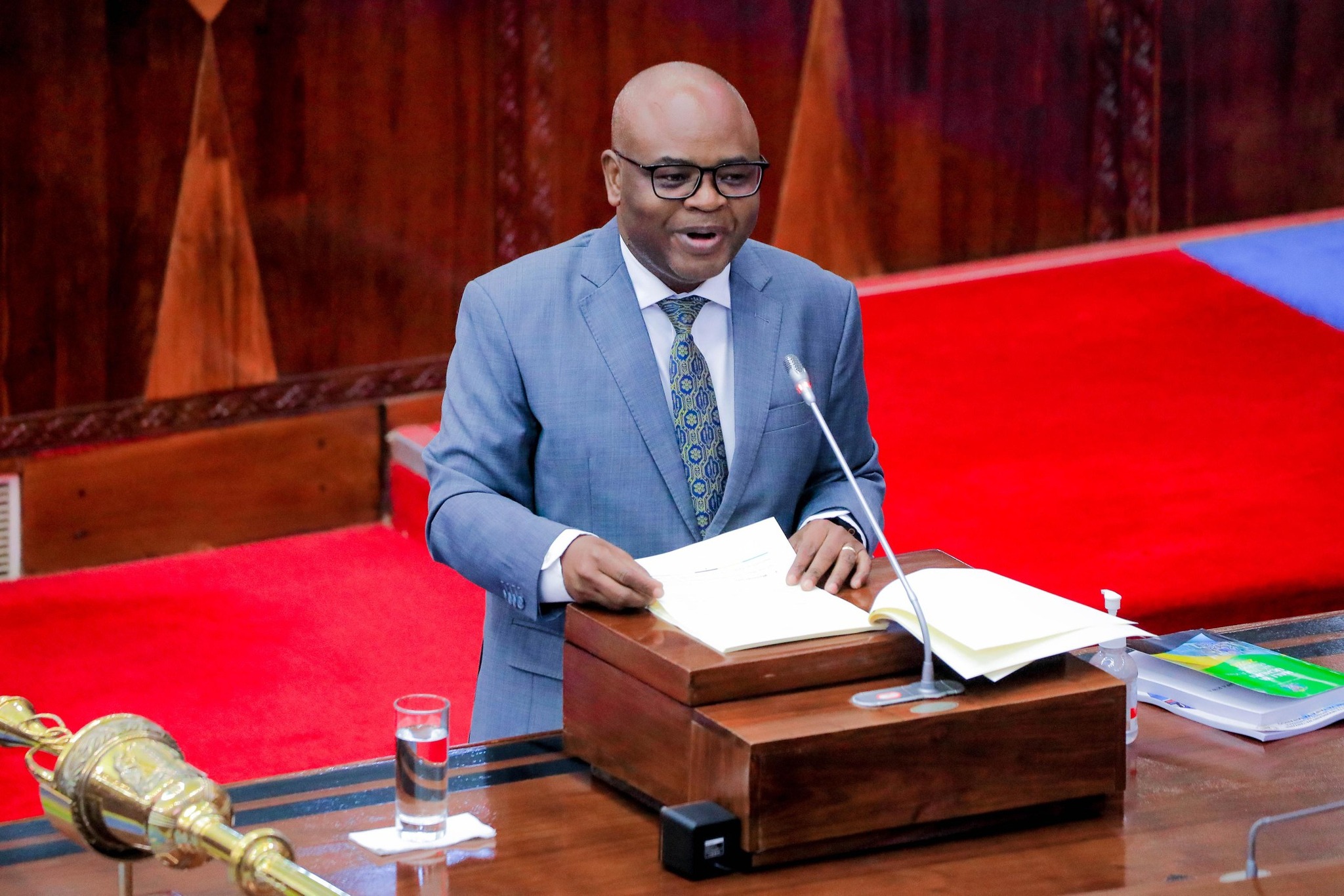
The discussions followed the recent national budget presentation by Planning and Investment Minister Kitila Mkumbo, which reaffirmed the role of public-private partnerships in driving industrialisation, export growth and structural economic transformation under the Dira 2050 framework.