
Dodoma. The government plans to register 263 new vocational and technical training institutions as part of wider education reforms aimed at preparing young Tanzanians for employment, industrial growth and self-reliance.
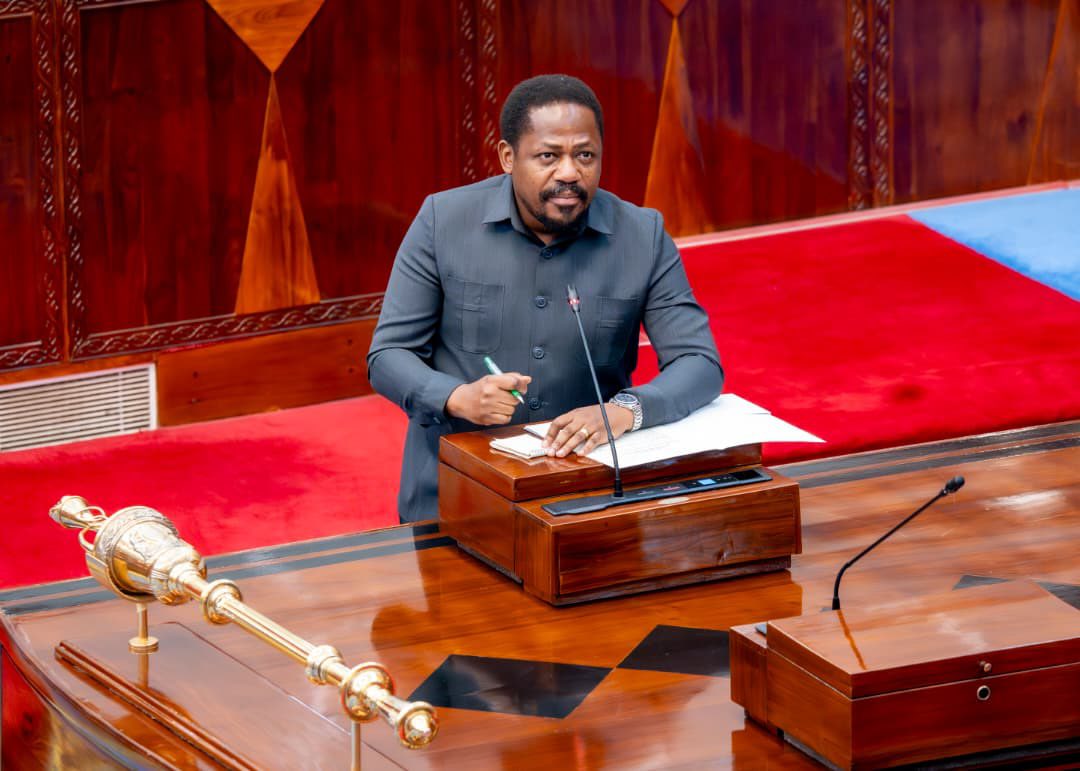
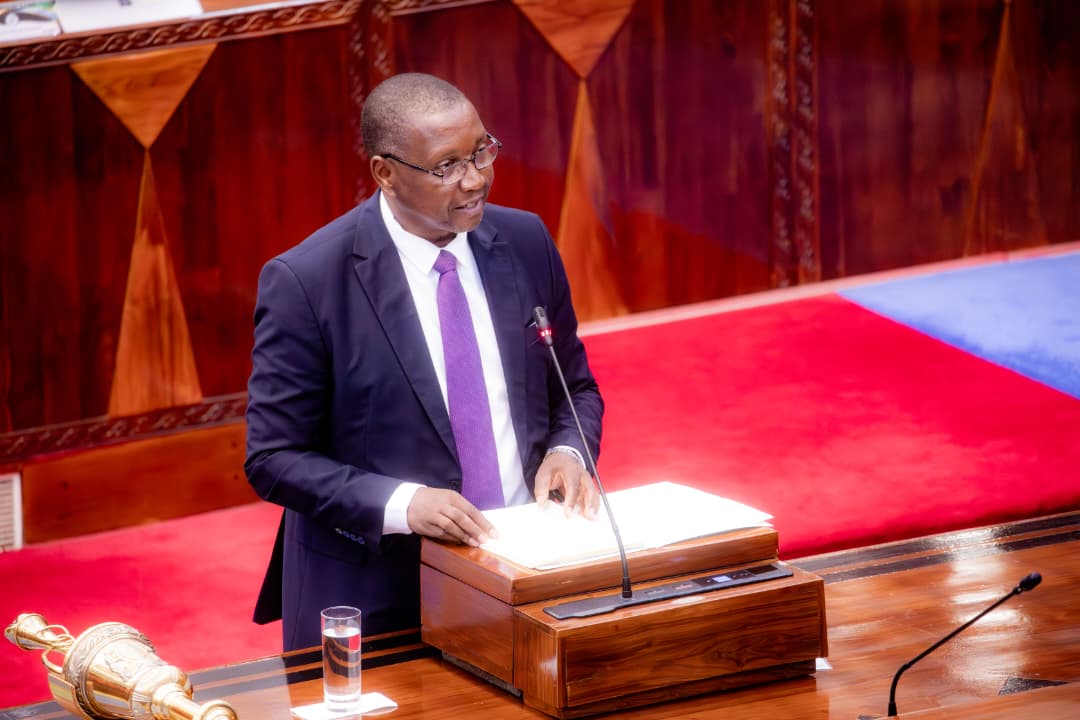
Presenting Sh2.4 trillion budget estimates for the 2026/27 financial year in Parliament on May 7, 2026, the minister for Education, Prof Adolf Mkenda, said the expansion of skills training has become a national priority as the country prepares for implementation of compulsory 10-year education.
He said the government intends to widen access to vocational education in both urban and rural areas through construction of new colleges, expansion of existing institutions and recruitment of additional instructors.
“The programme is expected to enrol about 374,000 trainees in technical and vocational courses linked to strategic sectors including manufacturing, construction, energy and information technology,” he noted.
The reforms will also involve upgrading training infrastructure and supplying modern learning equipment to improve practical instruction.
According to Prof Mkenda, the country currently has 45 technical colleges, 1,066 vocational training centres and 267 vocational secondary schools.
The government is continuing construction of 64 district vocational colleges while new polytechnic colleges are planned for Mwanza, Kigoma, Mtwara and Morogoro.
At the secondary level, the government expects enrolment pressure to rise sharply following implementation of compulsory 10-year education under the revised Education and Training Policy.
More than 3.02 million pupils are expected to join Form One in January 2028, according to ministry projections.
Prof Mkenda said the increase will involve pupils currently enrolled in Standards Five and Six who are expected to complete primary education in 2027.
To prepare for the transition, the government plans to build 1,360 classrooms, 17 dormitories and 33 teachers’ houses.
Fifty teachers’ resource centres are also expected to be constructed in various councils to strengthen supervision and improve teaching standards.
The minister said the reforms are intended to ensure students complete compulsory education at age 16 instead of age 13 under the previous structure.
He said the earlier system left many young people without sufficient skills for employment or self-employment.
The government is also increasing investment in digital learning and teaching materials.
Prof Mkenda told Parliament that more than eight million textbooks will be distributed to improve book availability in schools.
The ministry also plans to introduce interactive digital learning materials featuring video, audio and virtual science experiments.
More than 1,300 teachers will receive additional training in reading, writing and numeracy instruction using new teaching approaches.
Meanwhile, over 7,000 education institutions are expected to undergo quality assessments as part of efforts to strengthen standards across the sector.
In higher education, the government targets admission of 180,000 undergraduate students during the next financial year.
Student loan beneficiaries are projected to rise to 292,981 from 252,773 this year.
The government will also continue financing students pursuing science and technical diploma programmes in an effort to reduce shortages of skilled professionals.
Prof Mkenda said the Samia Scholarship programme for high-performing STEM students will expand from 2,630 to 2,738 beneficiaries.
The Samia Extended Scholarship scheme, which sponsors students to study specialised science programmes abroad, will also increase beneficiaries from 50 to 100.
Research and innovation funding has equally been earmarked for expansion.
The minister said government-supported research and innovation projects will increase from 80 to 109, focusing on sectors such as agriculture, fisheries, health, climate change, water and industry.
Universities and research institutions are expected to undertake 1,390 research projects during the financial year.
The government also plans to strengthen laboratories in five research institutions to support industrial innovation and applied scientific research.
Prof Mkenda said innovation hubs will be introduced in five Folk Development Colleges while the Samia Innovation Commercialisation Fund will continue supporting local innovators and emerging enterprises.
The ministry is also reviewing the Education Act, Chapter 353, as part of broader reforms intended to align the sector with changing technological and labour market demands.