
Dar es Salaam. Access to clean cooking energy in Tanzania has recorded a marked and unprecedented rise over the past four years, increasing from 6.9 percent in 2021 to 23.2 percent in 2025.
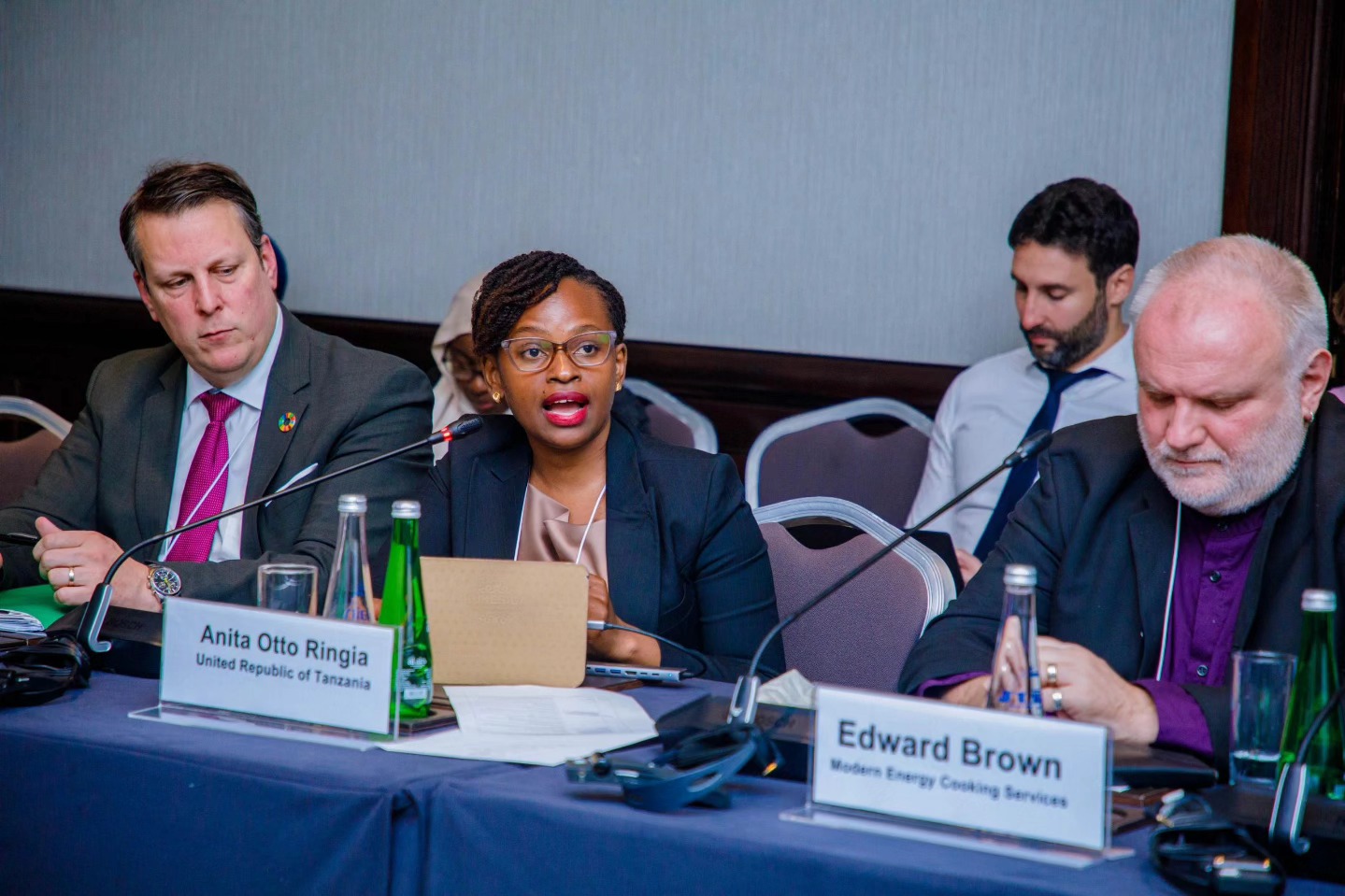
The achievement was presented on the sidelines of the International Renewable Energy Agency (IRENA) forum in Abu Dhabi, United Arab Emirates, which focused on financing mechanisms for clean cooking energy projects.
Addressing the meeting, Eng Anita Ringia from the ministry of Energy said Tanzania has continued to intensify efforts to ensure citizens gain access to clean, safe and affordable cooking energy, with tangible results now evident across the country.
“The government has deliberately prioritised mobilisation of financial resources for clean cooking initiatives, drawing funding from public budgets, the private sector, development partners and international organisations supporting the global clean cooking agenda,” she said.
According to Eng Ringia, sustained financing has been instrumental in accelerating the adoption of modern cooking solutions and reducing reliance on traditional biomass fuels.
Eng Ringia attributed the significant increase in access to strong and consistent leadership under President Samia Suluhu Hassan, noting that clean cooking energy has been elevated to a national priority and positioned as a key pillar of the National Development Vision 2050.
She said this policy direction has provided clarity and confidence for both domestic and international stakeholders investing in the sector.
“In the 2025/26 financial year, Tanzania is implementing a range of interventions aimed at consolidating and expanding these gains,” she noted.
These include the subsidised distribution of 200,000 improved cooking stoves, the rollout of 480 electric cookers through electricity bill financing in collaboration with Tanesco under a pilot scheme, and the distribution of more than 450,000 liquefied petroleum gas (LPG) cylinders at subsidised prices.
In addition to supply-side measures, Eng Ringia said the government has introduced regulatory actions to drive behavioural change and institutional uptake.
Among these is a ban on the use of firewood and charcoal in institutions serving more than 100 people per day, a policy expected to encourage clean energy use across more than 31,000 public institutions.
The transition, she added, represents an investment requirement exceeding $1 billion.
She added that the government is also strengthening public awareness campaigns and providing support to small and medium-sized enterprises operating in the clean cooking value chain, to foster a sustainable domestic market.
The presentation at IRENA placed Tanzania among countries demonstrating measurable progress in clean cooking energy transition, underscoring how coordinated policy, financing and leadership can deliver rapid results in a sector critical to health, environmental protection and sustainable development.