
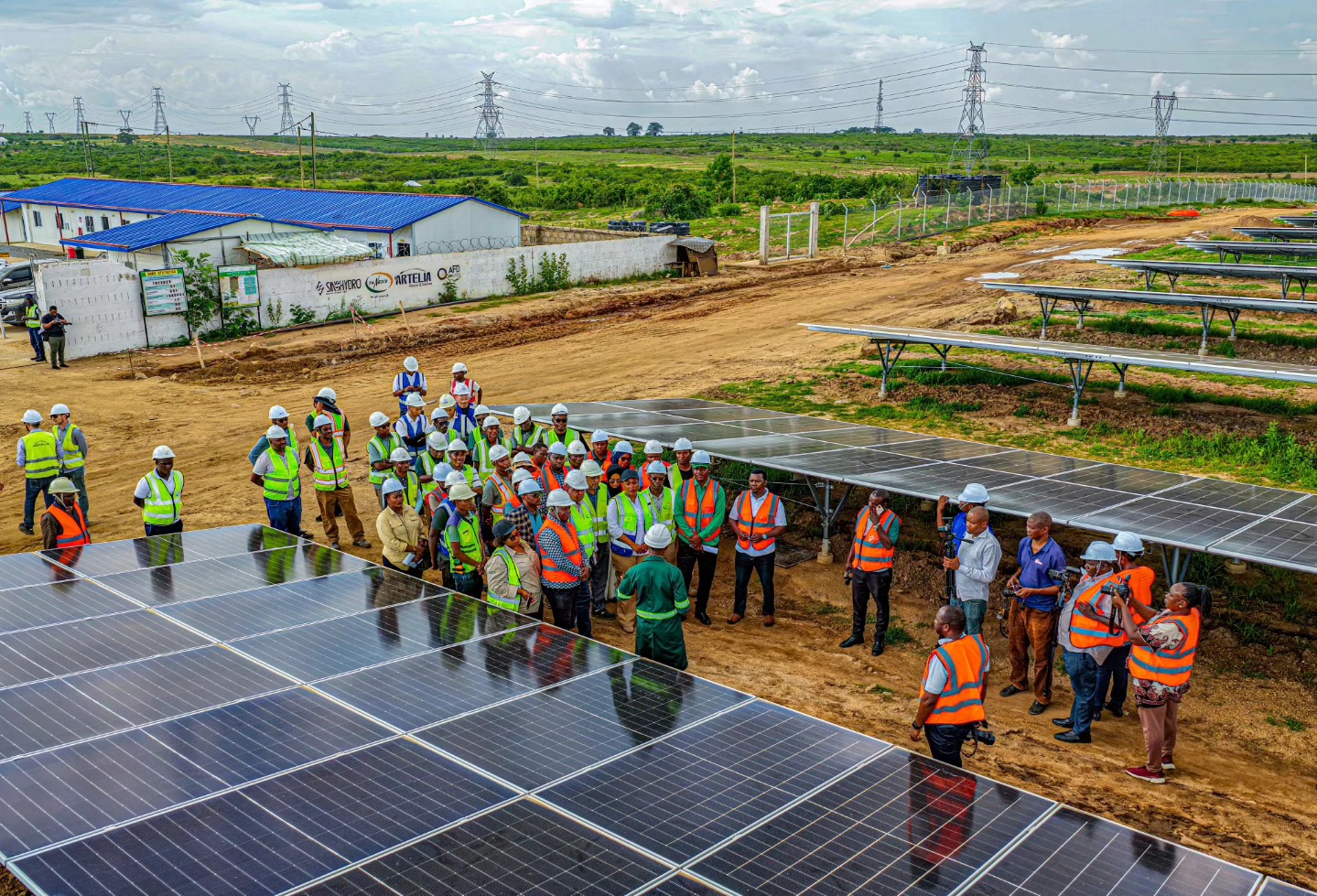
Dar es Salaam. The Kishapu Solar Power Project in Shinyanga Region has reached more than 89 percent completion and is expected to be finalised by the end of this month.
The completion of the project marks a significant milestone in the government’s sustained efforts to ensure adequate electricity supply to support economic opportunities and long-term sustainable development.
The Deputy Minister for Energy, Ms Salome Makamba, disclosed this on January 9, 2026, during an inspection tour of key electricity projects in Shinyanga Region.
The tour covered the Kishapu Solar Power Project, the expansion of the Ibadakuli Power Substation, and the construction of the electricity transmission line linking Ibadakuli to Simiyu Region.
Ms Makamba said the near-completion of the Kishapu project demonstrates the government’s commitment to strengthening national energy capacity, noting that once completed, the facility will inject 50 megawatts into the National Grid.
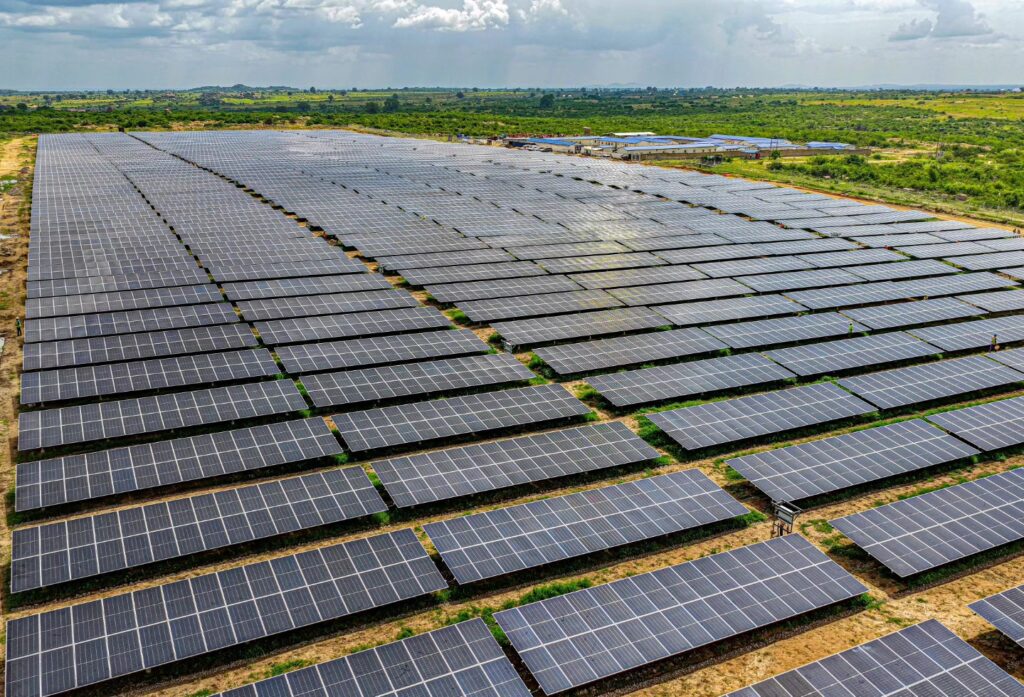
She explained that the additional power will significantly enhance electricity availability in Shinyanga and neighbouring regions, thereby supporting productive activities and improving livelihoods.
“The project has now exceeded 89 per cent in implementation, and by the end of this month we expect to connect 50 megawatts to the National Grid. This is part of the government’s broader agenda to ensure Tanzania has sufficient electricity,” she emphasised.
Turning to the expansion of the Ibadakuli Power Substation, which has reached 44.32 percent completion, the Deputy Minister said the project is of strategic importance as it will supply electricity to the Standard Gauge Railway (SGR) as well as facilitate cross-border power transmission to Kenya and Uganda.
She commended President Samia Suluhu Hassan for allocating funds for the project, describing it as a major investment in national and regional infrastructure.
She noted that the Ibadakuli substation will play a pivotal role in supporting large-scale strategic projects while reinforcing Tanzania’s position as a regional energy hub.
Meanwhile, the Acting Director of Projects at Tanesco, Eng Frank Mashalo, said the 220-kilovolt Ibadakuli–Simiyu transmission line is intended to strengthen the electricity supply in the Simiyu Region and surrounding areas.
He stated that the project has reached 53 percent completion and is scheduled to be finalised in June this year.
On his part, the Kishapu District Commissioner, Mr Peter Masindi, said completion of the solar power project will stimulate local economic activities, particularly cotton farming, which is the mainstay of the district and relies heavily on reliable electricity for processing and value addition.
The Kishapu Solar Power Project is being implemented at a total cost of Sh323 billion across two phases.
Construction officially commenced in December 2023 and is expected to be completed by the end of January 2026, reinforcing Tanzania’s drive towards clean energy, energy security, and sustainable economic growth.